

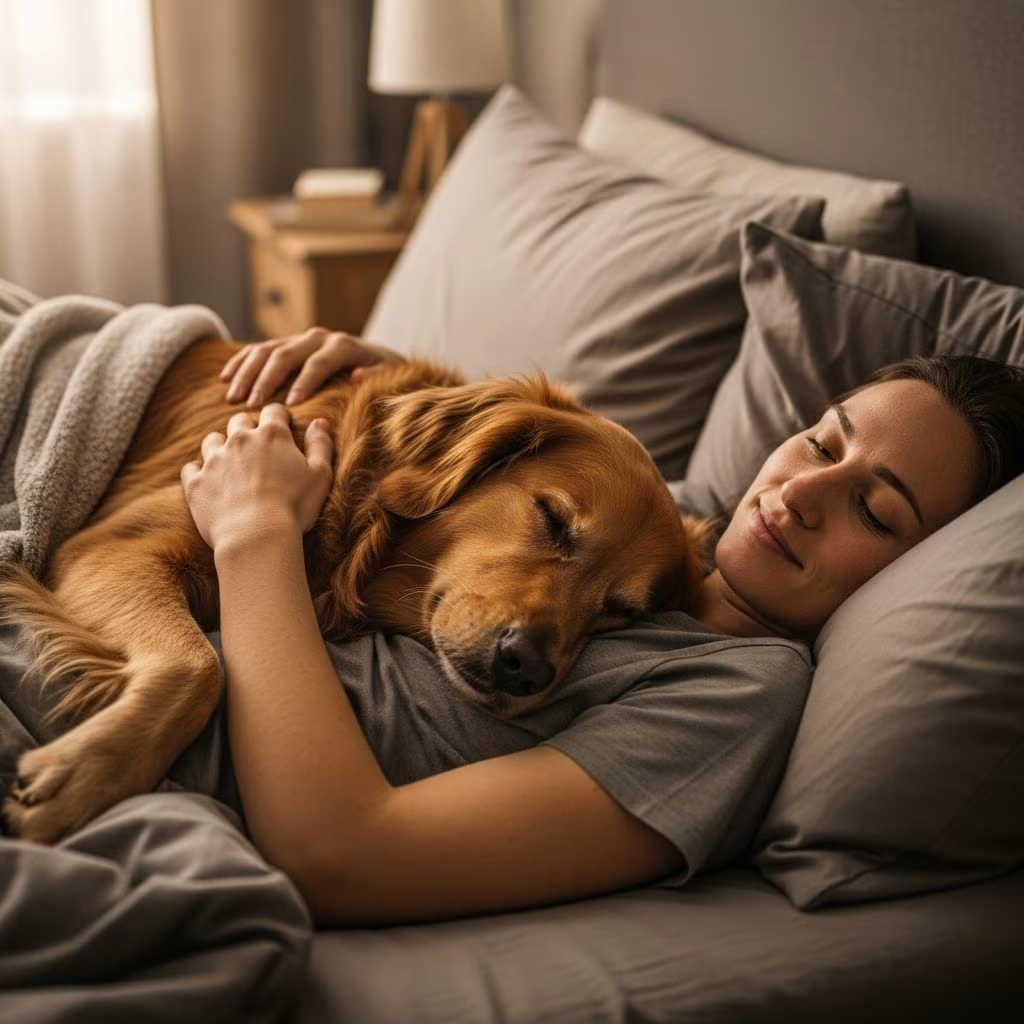
Why Does My Dog Sleep Against Me: Understanding Your Dog’s Sleeping Behavior
If you’ve ever woken up to find your furry companion snuggled against you, you may have wondered what drives this behavior. Dogs sleeping against their owners is rooted in their pack mentality and is a sign that they seek comfort, trust, and protection. This common canine behavior reveals much about your dog’s emotional state and the strength of your bond. Understanding why your dog chooses to sleep against you can deepen your appreciation for your relationship and help you recognize when something might need attention.
The Pack Mentality: How Wild Instincts Drive Your Dog’s Behavior
Dogs are naturally social creatures that have been domesticated for approximately 15,000 years, yet their instincts remain largely unchanged from their wild ancestors. Your dog’s tendency to sleep against you is deeply rooted in their pack mentality, a behavior inherited from their time living in groups for survival and protection.
In the wild, dogs sleep in close proximity to their pack members, often in tight clusters. This behavior serves a critical purpose: it provides warmth, protection from predators, and emotional security during their most vulnerable state. When you observe a litter of puppies, you’ll notice they instinctively huddle together in one large, adorable furry heap. This same instinct drives adult dogs to seek close contact with their pack members, which now includes you.
Dogs recognize you as their pack leader or “alpha” figure. By sleeping against you, they’re following their natural pack hierarchy and seeking the comfort that comes from being near their leader. This behavior isn’t about dominance in most cases; rather, it’s a sign that your dog sees you as a protective authority figure who provides safety and security.
Trust and Affection: The Foundation of Canine Love
When your dog chooses to sleep against you, they’re demonstrating a profound level of trust. Sleep is an incredibly vulnerable state for any animal. During sleep, dogs cannot defend themselves or be fully aware of their surroundings, making it a time when they’re most at risk. By choosing to sleep against you, your dog is essentially saying, “I trust you completely to protect me while I’m vulnerable.”
This behavior is a clear sign of affection and attachment. Your dog is showing you that they consider you a trusted member of their inner circle—someone worthy of their complete confidence. The act of sleeping against you strengthens the emotional bond between you and your pet, contributing significantly to your overall relationship quality.
Your immediate presence provides the security and comfort that pack dogs instinctively seek during slumber. When your dog feels your warmth and hears your heartbeat and breathing, it reinforces their sense of safety and belonging. This physical proximity is not just about comfort; it’s about connection and the mutual reassurance that comes from being close to those we trust.
Bonding and Social Connection: Building Lasting Relationships
Sleeping is more than just rest for dogs—it’s an opportunity to strengthen their bonds with family members. When your dog chooses to sleep against you, they’re actively reinforcing the connection between you. This bonding behavior is crucial for your dog’s social development and overall well-being.
Dogs are pack animals by nature, and they have an innate instinct to want to be part of a family unit. Your dog likely sees you as their leader and wants to be loyal and protective of you, while also seeking your attention and affection. By sleeping next to you, they’re fulfilling multiple needs simultaneously: they’re getting close to their leader, strengthening family bonds, and ensuring they can respond quickly if you need protection.
This bonding behavior is not just beneficial for your dog; it can also improve your sleep quality and overall well-being. Studies have shown that sleeping with your dog can lower blood pressure and provide emotional support for owners. The mutual comfort derived from this closeness creates a positive feedback loop of affection and security for both you and your pet.
Protection and Vigilance: Your Furry Bodyguard
Your dog’s protective instincts play a significant role in their decision to sleep against you. Dogs are naturally protective of their pack members, and by positioning themselves against you during sleep, they’re strategically placing themselves to respond quickly if any threat emerges.
By sleeping next to you, your dog is assuming a protective role. They’re essentially saying, “I’ve got your back.” This behavior is especially common in breeds with strong guarding instincts, such as German Shepherds and Dobermans, but it’s a trait that exists across all dog breeds to varying degrees. Your dog knows that with two sets of ears listening for sounds—theirs and yours—you both have better chances of detecting potential threats.
This vigilant behavior is a natural extension of your dog’s pack instincts. In the wild, pack members sleep together so that at least one member can remain alert while others rest. By sleeping against you, your dog is participating in this age-old survival strategy, even though modern homes pose minimal actual threats.
Understanding Different Dog Sleeping Positions and What They Mean
Your dog’s sleeping position can reveal important information about their emotional state and comfort level. Here are the most common sleeping positions and their meanings:
- The Side Sleeper: When your dog sleeps on their side, they’re demonstrating that they feel very relaxed, safe, and comfortable in their environment. This position exposes their vital organs, so it indicates complete trust.
- The Lion’s Pose: In this position, dogs rest their head on their paws and keep their body ready to spring into action. This indicates they’re resting but remain alert and ready to play or respond to activity.
- The Superman: With all four legs extended, dogs in this position are tired but still ready to play if called upon. It’s a position that allows for quick movement if needed.
- The Donut: When your dog curls up into a ball, they may be doing so because they’re cold or seeking to protect their vital organs. This position is also common when dogs want to conserve body heat.
- The Burrower: Some dogs burrow under blankets or pillows while sleeping. This behavior indicates they’re seeking additional comfort, security, and the safety of an enclosed space.
When Your Dog Sleeps with Their Bum Facing You
A particularly common sleeping arrangement is when dogs sleep with their rear end facing their owners. This position might seem odd, but it has several explanations rooted in canine behavior and comfort.
Some dogs don’t enjoy ventral contact (belly-to-belly touching) as much as others, so they position themselves with their back against you instead. This still provides the comfort and security of physical closeness while respecting their personal space preference. Other dogs sleep with their bums facing you because they find this position comfortable and temperature-appropriate, especially if they’re warm.
Interestingly, dogs that sleep with their rear end facing you are still demonstrating trust. They’re not watching you directly, which means they’re comfortable enough to let their guard down and not maintain visual contact. This position shows that your dog feels so secure in your presence that they don’t need to keep eyes on you at all times.
When Snuggles Signal Stress: Understanding Canine Separation Anxiety
While sleeping against you is usually a positive sign of bonding and trust, excessive clinginess during sleep can sometimes indicate underlying anxiety issues. If your dog seems to transform into a furry shadow, following you everywhere and insisting on sleeping against you constantly, this behavior might signal separation anxiety.
Separation anxiety in dogs can manifest in various ways, including:
- Excessive neediness and refusal to be apart from you
- Destructive behavior when you leave the house
- Excessive vocalization (barking or whining)
- House-soiling despite being housetrained
- Pacing or restlessness when alone
If you notice your dog displaying these behaviors alongside their sleep habits, it’s worth consulting with a veterinarian or professional dog trainer to address potential anxiety issues.
Resource Guarding: When Affection Becomes Possessiveness
Another behavioral concern to watch for is resource guarding. While most dogs who sleep against you are simply seeking comfort and closeness, some may be displaying overly protective tendencies. Resource guarding is a behavior where dogs become excessively protective of something they value—in this case, you.
Signs that your dog might be displaying resource guarding include:
- Growling when others approach the bed
- Showing signs of aggression when family members try to get near you during sleep time
- Stiff body posture or raised hackles when sleeping against you
- Snapping or lunging at other people or pets in the bed
If your dog exhibits these behaviors, it’s important to address them promptly with professional help. This isn’t the kind of “love letter” you want to receive, and it can create tension within your household. A certified animal behaviorist can help you work through these issues safely.
Health Considerations: When Wall-Sleeping and Close Contact Matter
In most cases, your dog’s preference for sleeping close to you is perfectly normal and harmless. However, some sleeping behaviors or sudden changes in sleeping habits can signal underlying health issues that warrant veterinary attention.
If your dog suddenly begins displaying new sleeping behaviors or seems to prefer pressing against walls or furniture, it could indicate:
- Vestibular Syndrome: Dogs with vestibular disease may lean or press against walls to counterbalance dizziness. Associated symptoms include head tilting, loss of coordination, walking in circles, and nausea.
- Neurological Issues: Some neurological conditions can affect balance and spatial awareness, leading dogs to seek support from walls or furniture.
- Pain or Discomfort: Dogs experiencing pain may position themselves against objects for support and comfort.
If wall-sleeping or unusual sleep positioning is combined with other symptoms, a veterinary check is crucial to rule out any underlying health concerns.
Creating the Perfect Sleep Environment for Your Dog
Understanding your dog’s sleeping preferences and needs can help you create an environment where they feel safe and comfortable. Here are some tips for optimizing your dog’s sleep:
- Allow your dog access to your bed if you’re comfortable with this arrangement and it’s safe for both of you
- Provide a designated sleeping area near your bed if your dog prefers closeness but you want boundaries
- Use comfortable bedding that provides both warmth and support
- Establish a consistent sleep routine to help your dog feel secure
- Ensure your dog gets adequate exercise during the day to promote quality sleep
- Keep the bedroom at a comfortable temperature
Frequently Asked Questions (FAQs)
Q: Is it safe to let my dog sleep in my bed with me?
A: For most healthy dogs and owners, co-sleeping is safe and can actually benefit both parties. However, consider your dog’s size, any behavioral issues, and personal hygiene preferences. If you have concerns about space or sanitation, providing a dog bed near your bed is a good alternative.
Q: What does it mean if my dog suddenly stops sleeping against me?
A: Sudden changes in sleeping behavior can indicate discomfort, illness, or stress. If your dog’s behavior changes abruptly, consult your veterinarian to rule out health issues.
Q: How can I tell if my dog’s clingy behavior is anxiety rather than affection?
A: Anxiety-related clinginess is usually accompanied by other signs such as destructive behavior when you leave, excessive vocalization, or difficulty settling. If your dog only sleeps against you but is otherwise calm and well-adjusted, it’s likely normal affectionate behavior.
Q: Can sleeping next to my dog improve my health?
A: Yes, studies have shown that co-sleeping with dogs can lower blood pressure, reduce stress, and provide emotional support. However, ensure your dog is healthy and the arrangement works for your family’s needs.
Q: What should I do if my dog’s sleeping position has changed?
A: Monitor your dog for other behavioral or physical changes. If the change seems linked to pain, balance issues, or other symptoms, schedule a veterinary check-up to ensure everything is healthy.
Q: Is it normal for my dog to sleep with their back against me?
A: Yes, this is a common and normal sleeping position. Dogs who sleep with their backs against you still demonstrate trust and seek closeness while maintaining their preferred comfort positioning.
Conclusion: Celebrating Your Dog’s Sleeping Behavior
Your dog’s decision to sleep against you is a beautiful expression of trust, affection, and bonding. Rooted in their pack mentality and natural instincts, this behavior demonstrates that your dog sees you as their trusted leader and valued family member. Whether your dog is seeking protection, comfort, warmth, or simply wanting to strengthen your connection, their choice to sleep close to you is generally a positive sign of a healthy relationship.
By understanding the reasons behind this behavior and learning to recognize what different sleeping positions mean, you can better respond to your dog’s needs and emotional state. Pay attention to any sudden changes in sleeping habits or signs of excessive clingy behavior, as these could indicate anxiety or health issues that warrant professional attention. Overall, embrace the cuddles and comfort that come from sharing sleep space with your beloved canine companion—it’s a privilege that deepens the bond you share.
References
- Uncovering the Cause of Canine Cuddles: Why Your Dog Sleeps Against You — Creative Science. 2024. https://creative.science/education/uncovering-the-cause-of-canine-cuddles-why-your-dog-sleeps-against-you
- Why Does My Dog Sleep Against Me? — Sound Sleep. 2024. https://soundsleep.com/why-does-my-dog-sleep-against-me/
- Why Does My Dog Sleep Against Me? — Better Sleep Council. 2024. https://bettersleep.org/blog/why-does-my-dog-sleep-against-me/
- Why Do Dogs Sleep Against Walls? Canine Comfort Explained — Pet Care Shed. 2024. https://petcareshed.com.au/blogs/pet-supplies/why-do-dogs-sleep-against-walls
- Why Do Dogs Sleep with Their Bums Facing You? — Scenthound. 2024. https://www.scenthound.com/dogblog/why-do-dogs-sleep-with-their-bums-facing-you



