

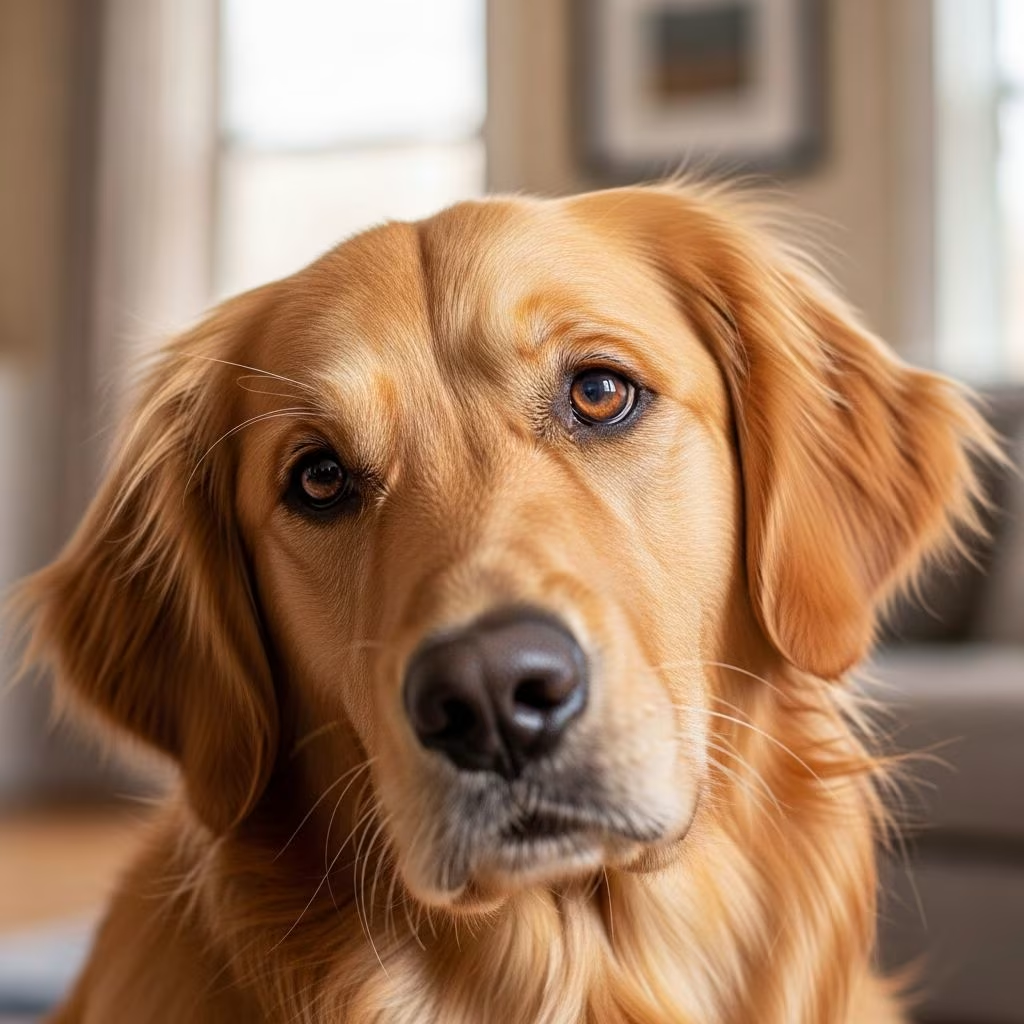
Your dog shoots you a sideways glance, whites of the eyes flashing—**what does this ‘side eye’ mean**? Often called **whale eye** in canine behavior, this expression reveals key emotions from stress to curiosity. Understanding it strengthens your bond and prevents misunderstandings.
What Is the Dog Side Eye (Whale Eye)?
The **dog side eye**, or **whale eye**, happens when your dog turns its head away but keeps eyes fixed on you or an object, exposing the sclera (whites of the eyes). This creates a wide-eyed, bulging look resembling a whale’s eye.
Dogs use this subtle cue for communication. Unlike direct stares (threatening in wolf ancestry), side eye allows monitoring without confrontation. It’s common in multi-dog homes or tense situations.
- Visual cue: Head averted, eyes shifted—sclera visible.
- Context matters: Body language like stiff posture amplifies meaning.
- Not always negative: Can signal playfulness or curiosity too.
Why Do Dogs Give Side Eye? Common Reasons
Dogs side eye for instinctual reasons tied to survival and social dynamics. Here’s why:
1. Discomfort or Anxiety (Classic Whale Eye)
**Whale eye** screams stress. Your dog feels uneasy—perhaps at the vet, groomer, or during nail trims—and side eyes to watch the ‘threat’ without escalating.
Accompanying signs: lip licking, yawning, tucked tail, flattened ears. In crowded places or with strangers, it signals ‘give me space’.
2. Caution or Wariness in New Situations
In unfamiliar environments, dogs side eye to scan peripherally while appearing relaxed. This monitors changes without direct challenge.
Think: new guests, walks in busy areas. It’s adaptive—dogs stay alert safely.
3. Resource Guarding or Possessiveness
Guarding food, toys, or even you? Side eye warns ‘back off, this is mine.’ Head turns slightly, eyes lock on approacher.
Stiff body, growling may follow. Common with high-value items.
4. Playful or Attention-Seeking Communication
Not all side eye is tense! Playful dogs glance sideways for treats, walks, or fun. Relaxed body, wagging tail distinguish it.
Trained dogs ‘check in’ during boundaries, gauging reactions.
5. Curiosity or Mild Annoyance
Intrigued? Side eye shows interest without commitment—ears perked, body loose. Annoyed? During unwanted handling, it’s a polite ‘stop’.
How to Read Dog Side Eye: Full Body Language Guide
Never isolate eyes—context is king. Use this table for quick decoding:
| Side Eye Type | Body Signals | Meaning | Best Response |
|---|---|---|---|
| Whale Eye (Stress) | Tail tucked, ears back, lip lick, stiff | Fear/anxiety | Back off, comfort calmly |
| Guarding | Stiff posture, hackles up, low growl | Possessive threat | Don’t approach; train positively |
| Playful/Curious | Loose body, wag tail, play bow | Fun/interest | Engage or reward |
| Wary | Neutral but alert ears, slow blink | Caution | Give space, desensitize |
Pro tip: Video your dog’s expressions for patterns.
Is Dog Side Eye a Sign of Aggression?
**Sometimes yes**—as a warning. Paired with curled lip, teeth, hard stare: imminent bite risk. But mild side eye alone? Rarely aggressive; more discomfort.
Threshold: If escalating (growl, snap), consult trainer/behaviorist.
When Side Eye Might Indicate Health Issues
Rarely medical: **Strabismus** (eye misalignment) mimics side eye constantly. Or pain causing tension.
- Persistent one-sided: Vet check for injury/infection.
- Sudden change: Rule out neurological issues.
Most behavioral, but monitor.
How to Respond When Your Dog Gives Side Eye
Respect the signal—don’t force interaction.
- Observe full context: Note triggers.
- De-escalate: Step back, use soft voice.
- Counter-condition: Pair triggers with treats gradually.
- Enrich environment: Exercise, puzzles reduce stress.
For guarding: Trade-up training (better item for current).
Preventing Excessive Dog Side Eye Long-Term
Build confidence:
- Daily exercise: 30-60 min walks/runs.
- Socialization: Positive exposures early.
- Training: Positive reinforcement classes.
- Calm leadership: Consistent rules.
Result: Less whale eye, more direct happy gazes.
Frequently Asked Questions (FAQs)
Is whale eye always bad in dogs?
No—context-dependent. Stressful with tension; neutral/curious relaxed.
Why does my dog side eye me specifically?
You’re key—checking reactions, seeking attention, or wary of actions.
Can puppies give side eye?
Yes, innate communication. Teach positive responses early.
Does breed affect side eye?
Anatomy yes (short-nosed more visible sclera); behavior universal.
How to stop resource guarding side eye?
Desensitize: Approach calmly, trade items. Professional if severe.
References
- Dog side eye meanings — PetPlace.com. 2023-05-15. https://www.petplace.com/article/dogs/pet-behavior-training/dog-side-eye-meaning
- Here’s Why Your Dog Is Giving You the Side-Eye — Country Living. 2024-10-20. https://www.countryliving.com/life/kids-pets/a64364241/dog-side-eye/
- Dog Side Eye Decoded: 3 Quick Ways To Read The Look — Devil Dog Pet Co. 2024-03-12. https://devildogpetco.com/blogs/the-devil-dog-blog/dog-side-eye
- Understanding The Dog Side Eye: What It Means And Why It Happens — Canine Cardio. 2023-11-08. https://caninecardio.com/dog-behavior/dog-side-eye/
- Understanding Dog Side Eye: All You Need To Know — BusterBox Blog. 2024-01-22. https://busterbox.com/blog/why-is-my-dog-giving-me-the-side-eye/



