

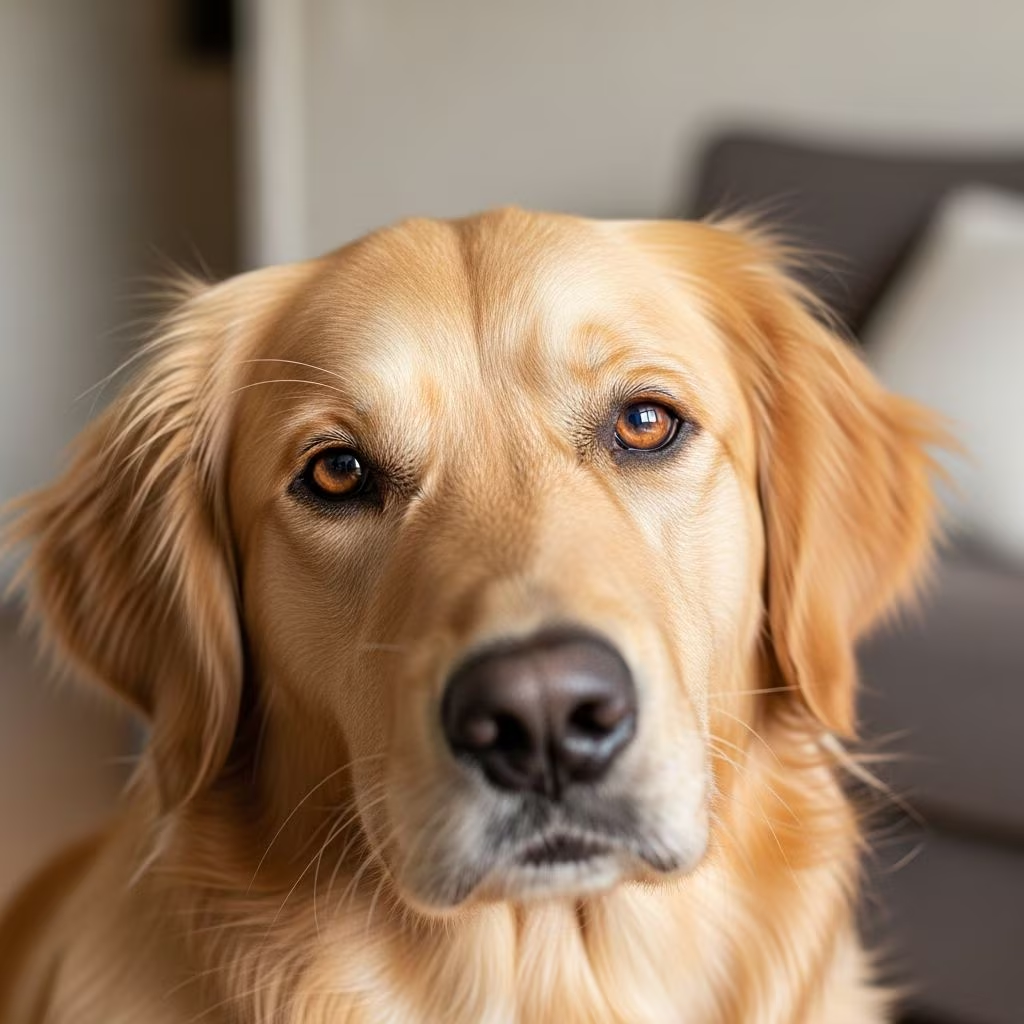
Dogs communicate volumes through body language, and the **side eye**—often called **whale eye**—is one of their most expressive signals. This occurs when a dog turns its head away but keeps its eyes fixed on you or something else, revealing the whites of its eyes. It can signal anything from mild discomfort to curiosity, helping owners understand their pet’s emotional state.
Recognizing this behavior prevents misunderstandings and fosters a stronger bond. In this comprehensive guide, we’ll explore the science behind whale eye, common triggers, how to interpret context-specific variations, and practical steps to address it effectively.
What Is Dog Side Eye (Whale Eye)?
The **dog side eye**, or **whale eye**, is a canine facial expression where the dog averts its head but shifts its gaze sideways, making the sclera (whites of the eyes) prominently visible. This creates a wide-eyed, bulging appearance reminiscent of a whale’s eye peeking out.
Unlike direct staring, which dogs often perceive as confrontational or threatening, side eye allows them to observe without escalating tension. It’s a subtle, instinctual communication tool rooted in canine social dynamics and survival instincts.
- Visual cue: Head turned away, eyes locked sideways, whites showing.
- Common in: Multi-dog households, vet visits, grooming, or resource guarding scenarios.
- Not always negative: Context determines if it’s stress, play, or curiosity.
Experts note that dogs have about 300 million olfactory receptors compared to humans’ 6 million, but their vision relies heavily on peripheral awareness. Side eye leverages this for discreet monitoring.
Why Do Dogs Give Side Eye?
Dogs use side eye primarily to communicate emotions and intentions without direct eye contact, which can be seen as a challenge in canine hierarchy. It stems from wild ancestors needing to assess threats discreetly while appearing non-aggressive.
Key reasons include:
- Awareness of surroundings: Peripheral vision helps monitor without alerting others.
- Submission or deference: Acknowledges authority without confrontation.
- Curiosity: Glances at intriguing activities without moving.
- Stress response: Avoids perceived threats like direct stares.
Understanding these motivations turns potential conflicts into opportunities for positive interaction.
Different Types of Dog Side Eye
Side eye isn’t one-size-fits-all. Variations depend on accompanying body language. Here’s a breakdown:
| Type | Description | Body Language Signs | Common Triggers |
|---|---|---|---|
| Discomfort/Anxiety (Whale Eye) | Whites fully visible, tense expression. | Lip licking, yawning, tucked tail, stiff body. | Vet visits, baths, nail trims, strangers. |
| Caution/Wariness | Subtle glance, head slightly averted. | Perked ears, slow blinks, frozen posture. | New environments, unfamiliar dogs/people. |
| Aggression/Warning | Hard stare from side, intense whites. | Raised hackles, growling, curled lip, stiff tail. | Resource guarding (food/toys), territorial threats. |
| Playful/Curious | Relaxed whites, wagging tail. | Play bow, bouncy body, soft ears. | Treat anticipation, games, owner attention. |
| Annoyed/Skeptical | Mild side glance, half-closed eyes. | Flattened ears, sigh-like exhale. | Interrupted naps, denied requests. |
Always observe the full body: a loose, wiggly posture suggests positivity, while rigidity signals concern.
Common Situations Where Dogs Side Eye
Context is crucial. Dogs side eye in predictable scenarios:
- Grooming or handling: Nail clipping or ear cleaning feels invasive, prompting discomfort side eye. Give breaks and use positive reinforcement.
- Vet or groomer visits: Unfamiliar smells and restraints heighten anxiety.
- Resource guarding: Protecting food bowls or toys triggers warning side eye.
- Social interactions: Meeting new dogs/people; avoids direct stares to de-escalate.
- Training sessions: Checking boundaries or gauging reactions.
- Daily routines: Playful side eye when begging for walks/treats.
In multi-pet homes, side eye manages pack dynamics, signaling ‘I’m watching but not challenging.’
How to Respond When Your Dog Gives You Side Eye
Response depends on the type. Prioritize safety and empathy:
- Assess context: Note body language and environment.
- Give space: Step back to reduce pressure.
- Use calming signals: Yawn, look away, blink slowly to de-escalate.
- Positive association: Offer treats post-side eye to reframe the trigger.
- Desensitize gradually: Expose to triggers at low intensity with rewards.
- When aggressive: Do not approach; consult a professional trainer.
For playful side eye, engage! Toss a toy to affirm the fun.
When to Worry About Dog Side Eye
Occasional side eye is normal, but persistent or intense cases warrant attention:
- Accompanied by aggression (growling, snapping).
- Frequent in low-stress home settings (possible anxiety disorder).
- Sudden onset with health changes (pain, vision issues).
- One-sided eye deviation (neurological concern; see vet).
Consult a veterinarian or certified behaviorist if side eye escalates or pairs with appetite loss, lethargy, or injury.
Improving Communication and Reducing Side Eye
Proactive steps minimize unwanted side eye:
- Training: Teach ‘look at me’ cues with rewards for voluntary eye contact.
- Socialization: Early, positive exposures build confidence.
- Enrichment: Puzzles, exercise reduce baseline stress.
- Body language education: Learn full canine signals via reputable sources.
- Professional help: Behaviorists use counter-conditioning for chronic issues.
Consistent leadership—clear rules, ample exercise—curbs testing behaviors like skeptical side eye.
Frequently Asked Questions (FAQs)
Is dog side eye always a bad sign?
No, it can be playful or curious. Check body language: relaxed = positive; tense = concern.
What if my dog side eyes during play?
It’s often excitement or boundary-checking. Respond with engagement if posture is loose.
Can side eye indicate pain?
Yes, if sudden or with other signs like limping. Vet check recommended.
How do I stop resource-guarding side eye?
Trade-up training: Offer better treats to associate approach with positivity.
Why does my dog side eye strangers?
Wariness from lack of socialization or instinctual caution. Gradual desensitization helps.
Is whale eye the same as side eye?
Yes, interchangeable terms emphasizing visible whites.
Mastering side eye interpretation enhances your dog’s well-being and your relationship. Observe, respond thoughtfully, and enjoy deeper canine connection.
References
- Dog side eye meanings | PetPlace.com — PetPlace. 2023. https://www.petplace.com/article/dogs/pet-behavior-training/dog-side-eye-meaning
- Here’s Why Your Dog Is Giving You the Side-Eye — Country Living. 2024-10-01. https://www.countryliving.com/life/kids-pets/a64364241/dog-side-eye/
- Dog Side Eye Decoded: 3 Quick Ways To Read The Look — Devil Dog Petco. 2023. https://devildogpetco.com/blogs/the-devil-dog-blog/dog-side-eye
- Understanding The Dog Side Eye: What It Means And Why It Happens — Canine Cardio. 2024. https://caninecardio.com/dog-behavior/dog-side-eye/
- Understanding Dog Side Eye: Meaning, Context, and Examples — Jet Pet Resort. 2023. https://jetpetresort.com/blog/pet-health/understanding-dog-side-eye-meaning-context-and-examples/
- Why is my dog giving me side eye? — Vetster. 2024. https://vetster.com/en/wellness/why-is-my-dog-giving-me-side-eye
- Understanding Dog Side Eye: All You Need To Know — BusterBox Blog. 2023. https://busterbox.com/blog/why-is-my-dog-giving-me-the-side-eye/



