

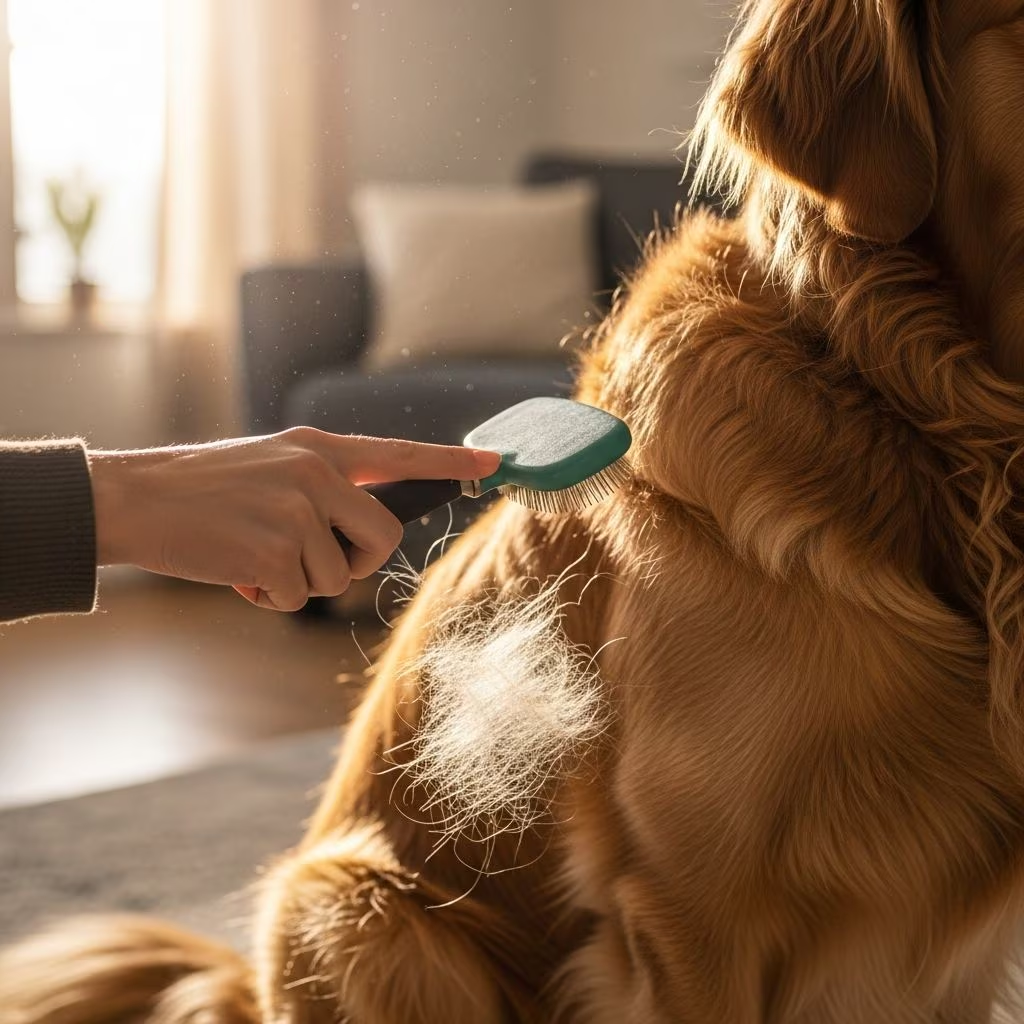
Dogs naturally shed to regulate body temperature and renew their coat, but **excessive shedding** can signal underlying issues like poor nutrition, allergies, parasites, stress, or medical conditions. Understanding the causes helps pet owners take proactive steps to restore a healthy coat.
Is Excessive Shedding Normal?
Shedding is a normal process for most dogs, varying by breed, coat type, and season. Double-coated breeds like Huskies shed heavily twice yearly during “blowing coat,” while single-coated breeds shed less noticeably. However, excessive shedding—defined as unusual hair loss with bald spots, itching, or skin changes—warrants attention, as it may indicate health problems.
- Normal shedding: Steady, seasonal fur loss without skin irritation.
- Excessive shedding: Clumps of hair, bald patches, scratching, or dull coat.
Monitor patterns: sudden increases or year-round heavy shedding differ from typical cycles.
Common Causes of Excessive Dog Shedding
Several factors contribute to over-shedding. Here’s a breakdown of the most prevalent reasons based on veterinary insights.
1. Poor Diet or Nutritional Deficiencies
The leading cause of excessive shedding is **an imbalanced diet**. Cheap kibble often lacks sufficient protein, omega-3 fatty acids, vitamins, and minerals needed for healthy skin and coat. Low-quality foods meet minimum standards but fail to support optimal hair growth, leading to dry, brittle fur and increased loss.
- Key nutrients: High-quality protein (25-30% minimum), omega-3s from fish oil for skin health.
- Signs: Dull coat, flaky skin, constant shedding.
Food intolerances or allergies exacerbate this; common culprits include grains, chicken, or beef, causing itchy skin and hair loss. Switch to hypoallergenic or novel protein formulas under vet guidance.
2. Allergies (Food, Environmental, or Contact)
Allergies trigger intense itching, leading to self-inflicted hair loss. **Food allergies** affect up to 10% of dogs, manifesting as year-round shedding. Environmental allergens like pollen, grass, dust mites, or mold cause seasonal flares.
| Allergy Type | Symptoms | Common Triggers |
|---|---|---|
| Food | Itchy paws, ears, chronic shedding | Proteins (beef, dairy, wheat) |
| Environmental | Seasonal itching, hot spots | Pollen, mold, dander |
| Contact | Localized redness, shedding | Shampoos, fabrics, fleas |
Diagnosis involves elimination diets or allergy testing; antihistamines or apoquel may help.
3. Parasites (Fleas, Ticks, Mites)
**Skin parasites** irritate the coat, prompting scratching that worsens shedding. Fleas cause flea allergy dermatitis in sensitive dogs; ticks and mites (e.g., sarcoptic mange) lead to bald patches and infections.
- Prevention: Year-round flea/tick topicals or collars for all household pets.
- Detection: Check for “flea dirt” (black specks), red bumps, or excessive grooming.
Even indoor dogs are at risk via clothing or windows. Prompt vet treatment with meds like selamectin is essential.
4. Stress and Anxiety
Dogs shed more under **stress** due to adrenaline surges affecting hair follicles. Triggers include routine changes, new pets/babies, moves, fireworks, or vet visits.
- Examples: Post-adoption shedding, thunderstorm fur loss.
- Solutions: Exercise, puzzle toys, pheromone diffusers, routine stability.
Chronic stress may signal separation anxiety; consult a behaviorist.
5. Skin Infections and Conditions
Bacterial, fungal (e.g., ringworm), or yeast infections inflame skin, causing shedding and odor. Hot spots from allergies or moisture accelerate loss.
Treatment: Medicated shampoos, antibiotics; address root causes like allergies.
6. Hormonal Imbalances and Illness
**Endocrine disorders** like hypothyroidism (underactive thyroid), Cushing’s disease (excess cortisol), or post-spay/neuter changes disrupt coat cycles. Systemic issues—kidney/liver disease, cancer—also cause thinning fur.
- Symptoms: Symmetric hair loss, lethargy, weight changes.
- Diagnosis: Blood tests; lifelong meds often needed.
7. Breed, Age, and Grooming Factors
Breeds with **double coats** (e.g., German Shepherds, Labs) shed profusely seasonally. Puppies and seniors shed more due to growth or slowing metabolism. Using harsh shampoos strips oils, increasing loss.
When to See a Vet for Excessive Shedding
Consult a vet if shedding accompanies:
- Bald patches or thinning.
- Red, inflamed, or scabby skin.
- Constant scratching/licking.
- Lethargy, appetite loss, or vomiting.
Early intervention prevents secondary infections.
How to Reduce Dog Shedding: Vet-Approved Tips
Manage shedding through targeted strategies.
- Upgrade Diet: Choose AAFCO-approved premium food with omega-3s. Add fish oil supplements (vet-dosed).
- Groom Regularly: Brush 3-5x/week with breed-appropriate tools (e.g., undercoat rake for doubles). Bathe monthly with oatmeal shampoos.
- Parasite Control: Monthly preventives; vacuum frequently.
- Minimize Stress: Daily 30-60 min exercise, mental games.
- Allergy Management: Hypoallergenic wipes, air purifiers; medicated baths.
Supplements like biotin or zinc aid coat health but aren’t cures.
Frequently Asked Questions (FAQs)
Why is my dog shedding so much year-round?
Allergies, poor diet, or hormonal issues often cause non-seasonal shedding. Vet evaluation is key.
Does shaving reduce dog shedding?
No—shaving double coats risks heat stroke and uneven regrowth. Brush instead.
Can omega-3 supplements stop shedding?
They support skin health and reduce inflammation but address underlying causes first.
Is excessive shedding a sign of cancer?
Possible in older dogs with other symptoms like weight loss; bloodwork rules it out.
How often should I bathe a shedding dog?
Every 4-6 weeks with gentle shampoo to avoid drying skin.
References
- Why Is My Dog Shedding So Much? — PetMD. 2023. https://www.petmd.com/dog/symptoms/skin/excessive-shedding-in-dogs
- Dog Hair Loss: 5 Reasons Why Your Dog Is Shedding So Much — Lake City Animal Hospital. 2024. https://lakecityanimalhospital.com/blog/why-is-my-dog-shedding-so-much/
- What to Do About Excessive Shedding in Dogs — Scenthound. 2024. https://www.scenthound.com/dogblog/what-to-do-about-excessive-shedding-in-dogs
- Why is My Dog Excessively Shedding — VEG ER for Pets. 2023. https://www.veg.com/post/why-is-my-dog-excessively-shedding
- How to Stop or Reduce Excessive Shedding – Healthy Dogs — WebMD. 2024. https://www.webmd.com/pets/dogs/excessive-shedding-dogs
- Helpful Tips to Reduce Dog Shedding — Lakeland Animal Clinic. 2023. https://lacvets.com/blog/how-to-reduce-dog-shedding/



