

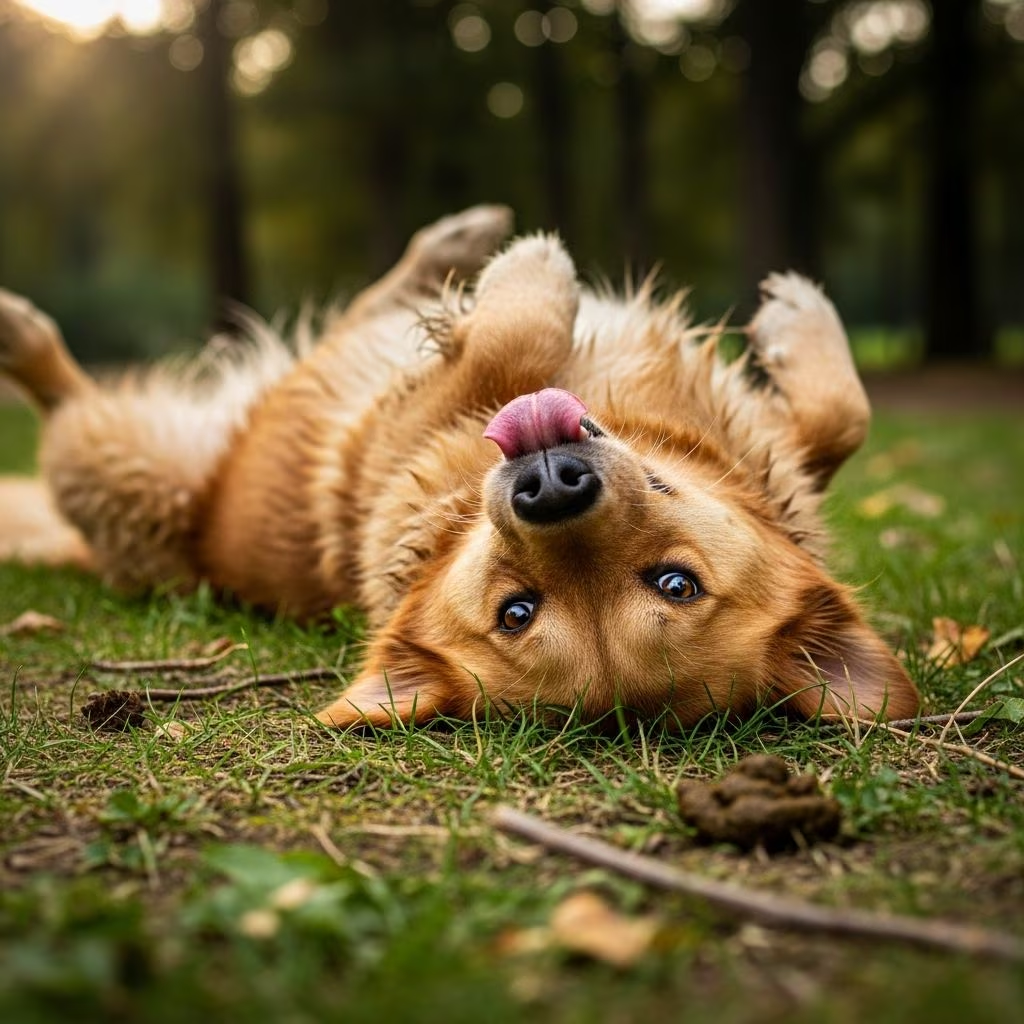
Why Does My Dog Roll in Poop? Understanding This Baffling Behavior
If you’ve ever watched your beloved dog enthusiastically roll around in poop during a walk, you’ve likely experienced a mix of confusion, frustration, and disgust. This behavior, known as scent rolling, is far more common than you might think, and it’s completely normal from a canine perspective. While it may seem revolting to us, dogs have legitimate reasons—rooted in their evolutionary past and instinctive nature—for engaging in this messy habit. Understanding why your dog rolls in poop is the first step toward managing the behavior and keeping your pet clean and healthy.
The Evolutionary Roots of Scent Rolling
To understand why modern dogs roll in poop, we need to look back at their wild ancestors. Wolves and wild dogs developed scent-rolling behavior as a survival mechanism passed down through generations. In their natural habitat, rolling in strong-smelling substances served multiple critical purposes that enhanced their chances of survival.
Hunting and Camouflage
One of the primary evolutionary reasons dogs roll in poop relates to hunting. When wolves hunted prey, their natural canine scent could alert animals to their presence, giving prey time to flee. By rolling in the feces or scent of their prey—or other pungent substances in their environment—wolves could mask their distinctive scent and approach prey without detection. This allowed them to get closer before attacking, dramatically increasing their hunting success rates. Even though your domesticated dog isn’t hunting for survival, this ancient instinct remains deeply embedded in their DNA.
Avoiding Predators
Rolling in strong odors also served as a defensive mechanism. By covering themselves in foul-smelling substances, wild dogs became less appetizing to potential predators. A dog covered in poop might seem unpalatable or not worth the effort, providing them with a survival advantage in a dangerous world. This defensive strategy, while unnecessary for modern pets, continues to trigger instinctive responses in today’s dogs.
Scent Communication and Pack Behavior
Beyond survival tactics, scent rolling plays a crucial role in how dogs communicate with each other. Understanding this aspect reveals that your dog’s behavior is actually a form of sophisticated social interaction.
Marking Territory and Broadcasting Location
When dogs roll in poop, they’re engaging in a complex communication system. Dogs possess scent glands around their heads and body that release pheromones—chemical signals that communicate important information to other dogs. By rolling in new scents and then returning to their pack, dogs essentially say, “I was here!” to other canines who pass by later. This territorial marking helps establish presence and warns other dogs about pack boundaries.
Status and Hierarchy
In wild packs with established hierarchies, scent communication serves another function. High-ranking dogs would gather information about other pack members through smell, learning their sex, hormonal state, and dominance level. By rolling in unfamiliar scents and masking their own smell, subordinate dogs may attempt to hide their status or reduce perceived threats to more dominant pack members. This camouflaging behavior helps lower-ranking dogs blend into the group and avoid conflicts.
Pack Bonding and Social Cohesion
Rolling in the same scents creates a shared olfactory experience among pack members. When multiple dogs engage in scent rolling, they develop a common smell that strengthens pack identity and social bonds. It’s similar to humans wearing matching team jerseys—except it involves a revolting coat of poop. This bonding behavior may also involve imitation, where younger or less dominant dogs observe others rolling and decide to try it themselves, reinforcing group cohesion.
Sensory Stimulation and Pleasure
Not every instance of poop rolling has a deep evolutionary or communicative purpose. Sometimes, dogs simply enjoy the experience.
Olfactory Enrichment
Dogs experience the world primarily through their sense of smell, which is estimated to be between 10,000 to 100,000 times more sensitive than humans. Strong odors provide intense sensory stimulation and enrichment. Rolling in poop offers a highly engaging olfactory experience that many dogs find genuinely pleasurable, similar to how humans might enjoy the aroma of a favorite meal or perfume. The intensity and complexity of scent compounds in feces triggers their sensory systems in ways that more neutral smells cannot.
Natural Curiosity and Exploration
Dogs are inherently curious creatures that explore their environment through their senses. Poop, dead animals, and decomposing plant matter represent novel and intensely interesting stimuli. Young dogs especially may roll in these substances simply because they’re investigating their surroundings and finding the experience novel and engaging.
Stress Relief and Coping Mechanisms
Beyond instinctive and communicative reasons, some dogs roll in poop as a stress management strategy.
Anxiety and Coping Behaviors
Dogs experiencing anxiety, stress, or tension may resort to rolling in strong-smelling substances as a self-soothing mechanism. Similar to how humans might bite their nails or twist their hair when nervous, dogs may engage in scent rolling to calm themselves. The intense sensory input can provide a temporary distraction from stressors or anxiety triggers. If your dog frequently engages in this behavior, particularly in specific situations, it may indicate underlying stress that warrants attention.
Health-Related Reasons for Rolling in Poop
While behavioral reasons account for most poop-rolling incidents, some health issues can trigger this behavior.
Skin Irritations and Allergies
Dogs suffering from itchy skin, allergies, or dermatological conditions may roll in poop or other substances as a self-treatment strategy. While this might seem counterintuitive and unhygienic, dogs may find temporary relief from the coolness or properties of certain substances. If your dog excessively rolls, scratches, or licks themselves, particularly in specific areas, consult a veterinarian to rule out skin conditions or allergies.
Digestive Issues and Nutritional Deficiencies
In some cases, dogs with digestive problems or nutritional imbalances may seek out poop, including rolling in it. This behavior, called coprophagia-related behavior, might indicate that your dog is trying to supplement missing nutrients or addressing digestive discomfort. A veterinary consultation can help identify underlying nutritional or digestive issues.
What Your Dog Rolls in Beyond Poop
Poop isn’t the only substance that triggers scent-rolling behavior in dogs. Understanding what else attracts them provides insight into their motivations.
Common Scent-Rolling Targets
- Animal carcasses: Dead animals provide intense, complex scents that fascinate dogs
- Decaying plants: Compost, mulch, and fertilizer contain fermented scents dogs find stimulating
- Urine: Urine from other dogs, cats, and wildlife provides crucial information and communication opportunities
- Spoiled food and garbage: Fermented or decomposing food offers intensely aromatic experiences
- Natural bodies: Lakes, rivers, and mud provide earthy scents dogs enjoy
Managing and Preventing Scent Rolling
While scent rolling is natural behavior, many owners want to minimize it. Several strategies can help reduce this habit.
Prevention Techniques
- Maintain awareness during walks: Stay alert and redirect your dog away from known problem areas
- Use reliable recall commands: Train a strong “come” command to pull your dog away from temptation
- Choose different walking routes: Varying your path reduces exposure to the same scent-rolling opportunities
- Increase exercise: A well-exercised dog may be less motivated to engage in this behavior
- Provide alternative enrichment: Offer toys, puzzle feeders, and other sensory experiences to satisfy their need for stimulation
Post-Rolling Care
When scent rolling occurs despite prevention efforts, immediate action helps minimize mess and health risks. Keep a portable water bottle and towels during walks for quick cleanup. At home, bathe your dog as soon as possible using a gentle, dog-safe shampoo. The frequency of baths should match your dog’s breed, activity level, and coat type—consult your veterinarian for personalized recommendations.
Health and Safety Considerations
Beyond the unpleasant odor, rolling in poop poses genuine health risks that owners should understand and mitigate.
Parasites and Infections
Feces can harbor parasites including worms, protozoa, and other pathogens that cause serious infections. Dogs rolling in poop risk ingesting these organisms through their mouths, noses, and any cuts or abrasions on their skin. Common parasites transmitted this way include roundworms, hookworms, and giardia, which cause digestive upset, malnutrition, and serious health complications.
Bacterial Contamination
Feces contain harmful bacteria such as E. coli, Salmonella, and Campylobacter. These pathogens can cause gastrointestinal infections in dogs and, importantly, can be transmitted to humans through contact with contaminated fur. If your dog rolls in poop and then licks your face or if you pet them before washing hands, you risk exposure to these bacteria.
Protective Measures
Maintain current vaccinations and parasite prevention as recommended by your veterinarian. Regular fecal screenings help detect parasitic infections early. Practice good hygiene by washing hands after contact with your dog, especially if they’ve engaged in scent rolling. Trim hair around your dog’s rear end to reduce the likelihood of fecal matter clinging to their coat.
Frequently Asked Questions About Dogs Rolling in Poop
Q: Is it normal for my dog to roll in poop?
A: Yes, scent rolling is completely normal canine behavior rooted in evolutionary instincts and communication needs. While unpleasant for owners, it’s a natural part of how dogs interact with their environment and other dogs.
Q: Why does my dog only roll in certain types of poop?
A: Dogs have individual scent preferences based on their sensory sensitivities and past experiences. Certain scents may trigger stronger instinctive responses or provide the specific sensory stimulation they seek. Some dogs prefer wild animal feces over domestic pet waste, depending on what smells they find most stimulating.
Q: Can I completely prevent my dog from rolling in poop?
A: Complete prevention is challenging since it’s an instinctive behavior, but you can significantly reduce incidents through awareness, training, environmental management, and providing alternative enrichment activities. Acceptance that occasional rolling may happen is realistic for most owners.
Q: How often should I bathe my dog if they frequently roll in poop?
A: Bathing frequency depends on your dog’s breed, coat type, skin sensitivity, and activity level. Most dogs benefit from bathing every 4-12 weeks, but more frequent bathing may be necessary for chronic rollers. Consult your veterinarian or professional groomer for personalized bathing schedules that won’t damage your dog’s skin or coat health.
Q: Could rolling in poop indicate a health problem?
A: While occasional rolling is normal, excessive behavior may indicate stress, anxiety, skin irritations, allergies, or nutritional deficiencies. If your dog’s behavior changes suddenly or seems obsessive, consult your veterinarian to rule out underlying health issues.
Q: Is there a breed predisposition to rolling in poop?
A: Scent rolling occurs across all dog breeds and mixed breeds. However, breeds with stronger hunting instincts or higher prey drive may engage in this behavior more frequently. Hunting breeds, terriers, and hounds may be particularly prone to scent-rolling behaviors.
References
- Why Do Dogs Roll In Poop? Is This Normal? — Chewy. 2024. https://www.chewy.com/education/dog/training-and-behavior/why-do-dogs-roll-in-poop
- Why Do Dogs Roll in Poop (& Other Smelly Things)? — Hill’s Pet Nutrition. 2024. https://www.hillspet.com/dog-care/behavior-appearance/why-do-dogs-roll-in-poop
- Why do dogs roll in poop? — PetDelux. 2024. https://petdelux.com/blogs/guide/why-do-dogs-roll-in-poop
- Why Dogs Roll In Poop? 6 Tips on Dealing with a Roller — Paw’d Aw of London. 2024. https://pawdawoflondon.com/blogs/pupdates/why-do-dogs-roll-in-poop-6-tips-on-dealing-with-a-roller
- Why dogs roll in poop and how to stop it — Hanne Grice. 2024. https://www.hannegrice.com/walk-the-dog/why-dogs-roll-in-poop-and-how-to-stop-it/



