

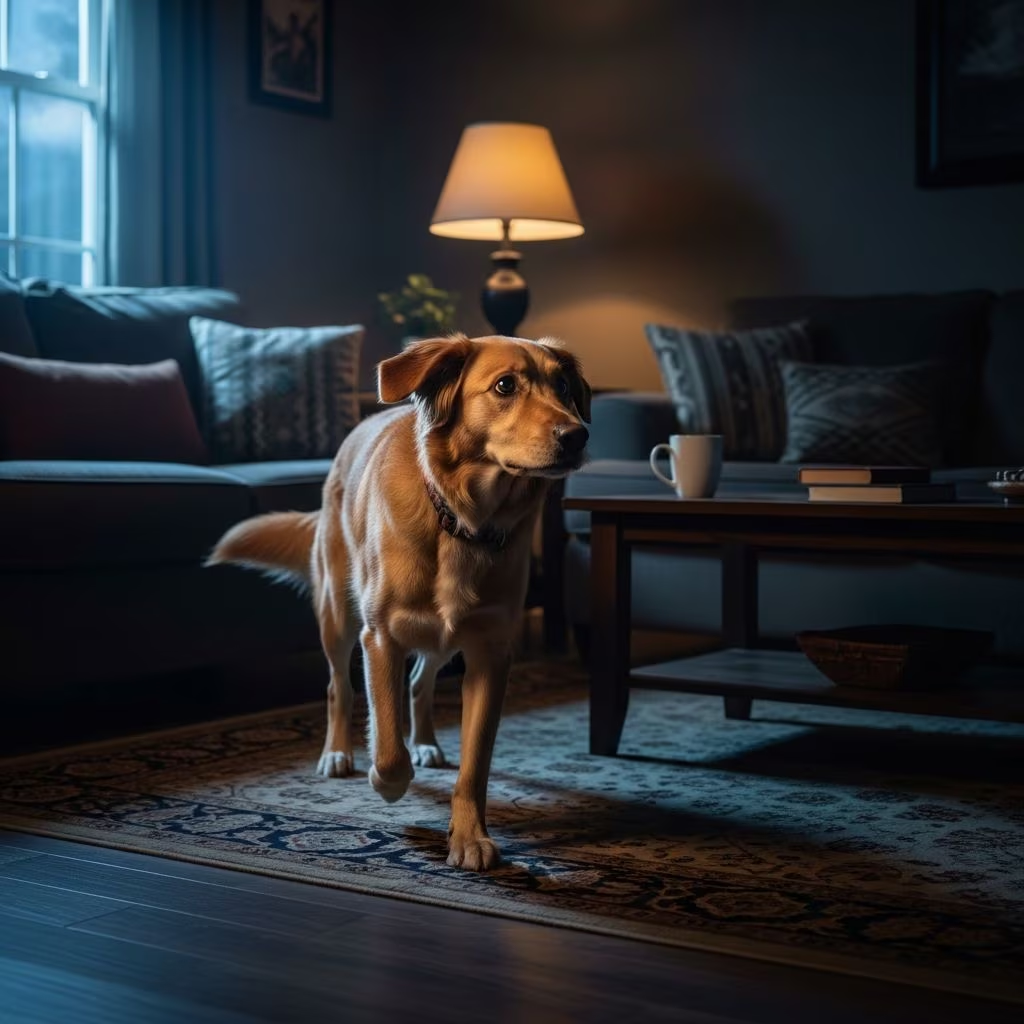
Seeing your dog pace restlessly at night can be concerning and disruptive to everyone’s sleep. This behavior, often accompanied by whining, panting, or inability to settle, signals underlying issues ranging from simple boredom to serious health problems. Understanding the root cause is key to helping your furry friend find peace.
Dogs thrive on routine and comfort, so nighttime pacing disrupts their natural rest cycles. Puppies might pace from excess energy, while seniors could suffer from cognitive changes. Whatever the reason, addressing it promptly improves your dog’s quality of life and yours.
Common Causes of Nighttime Pacing in Dogs
Nighttime pacing isn’t random—it’s your dog’s way of communicating discomfort. Here’s a breakdown of the most frequent culprits, drawn from veterinary insights and behavioral experts.
Anxiety or Stress
One of the **most common reasons** for dogs pacing at night is anxiety or stress. Triggers include environmental changes like moving homes, new family members, or loud noises such as thunderstorms and fireworks. Dogs with separation anxiety, especially those accustomed to sleeping near their owners, pace because they can’t relax.
Signs include trembling, whining, or pacing in circles. Anxiety disrupts the dog’s ability to wind down, turning bedtime into a vigil of worry.
Lack of Exercise
If your dog hasn’t burned enough energy during the day, expect restlessness at night. Puppies and young dogs, who nap excessively daytime, often treat night as playtime. “A dog that isn’t physically and mentally satisfied during the day isn’t going to be magically tired at night,” notes expert Neale.
High-energy breeds like Border Collies or Labs need 60-90 minutes of vigorous activity daily. Without it, pacing releases pent-up energy.
Age-Related Changes
Senior dogs (over 7-10 years, breed-dependent) face unique challenges. Joint stiffness, cognitive decline, or disrupted sleep-wake cycles lead to pacing. Older dogs lose track of time, feeling disoriented in the dark.
- Cognitive Dysfunction Syndrome (CDS): Like doggy dementia, causing confusion and restlessness.
- Arthritis: Pain makes lying down uncomfortable.
- Altered circadian rhythms: They sleep less during the day, staying up at night.
Pain or Discomfort
Sudden or chronic pain prompts pacing as dogs avoid pressure on sore areas. Arthritis, injuries, or digestive upset (bloating, constipation) are common. Dogs shift positions endlessly, panting or whining.
Observe for limping, reluctance to jump, or guarding behaviors. Even an uncomfortable bed can exacerbate this.
Cognitive Dysfunction Syndrome (CDS)
CDS affects up to 28% of dogs over 11 years, per veterinary studies. Symptoms mimic Alzheimer’s: disorientation, altered sleep, house soiling, and pacing. The brain’s changes disrupt normal rest, making nights particularly tough.
Early signs include staring at walls or getting ‘lost’ in familiar rooms. Vets diagnose via exams and rule out other issues.
Arthritis or Joint Pain
Osteoarthritis impacts 20% of adult dogs, rising with age. Inflamed joints cause pain when settling, leading to pacing and sighing. Cold nights worsen symptoms.
Supplements like glucosamine or vet-prescribed pain relief help, alongside orthopedic beds.
Urinary or Digestive Issues
Frequent urination needs (UTIs, incontinence) or GI problems like diarrhea make dogs pace to signal discomfort. Late dinners cause bloat or acid reflux.
Watch for accidents, straining, or appetite changes. Puppies may simply need more potty breaks.
Neurological Causes
Rare but serious: seizures, tumors, liver shunts, or vestibular disease alter gait and behavior. Sideways walking or head tilting accompanies pacing.
Seek immediate vet care for new neurological signs.
Fear of Noises
Thunderphobia or fireworks terror peaks at night. Dogs pace, hide, or drool from fear.
Desensitization training and calming aids reduce reactions over time.
Boredom or Attention-Seeking
Bored dogs pace for stimulation or your reaction. Ignoring works, but enrich their day first.
Environmental Factors
Routine disruptions like schedule changes, new pets, or bed relocation spike stress. Dogs crave predictability; instability fuels pacing.
A too-hot room, poor bedding, or isolation amplifies issues.
How to Help Your Dog Stop Pacing at Night
Targeted strategies restore calm. Start with lifestyle tweaks; escalate to vet if needed.
Establish a Routine
Dogs flourish on consistency. Fixed times for meals, walks, play, and bed signal downtime.
- Evening walk: 30-60 minutes before bed.
- Bedtime ritual: Dim lights, quiet time.
Provide Adequate Exercise
Aim for breed-appropriate activity. Evening sessions tire body and mind.
| Breed Type | Daily Exercise Needed |
|---|---|
| Small/Low-Energy | 30-45 min walks |
| Medium/Active | 45-60 min + play |
| Large/High-Energy | 90+ min runs/hikes |
Limit Evening Feeding
Feed dinner 3-4 hours pre-bed; offer a small, digestible snack later. Prevents reflux.
Offer Mental Stimulation
Puzzle toys, training, scent games exhaust the brain. 15-20 minutes daily suffices.
Examples:
- Kong toys with treats.
- Hide-and-seek with toys.
- Obedience sessions.
Comfort and Cozy Setup
Let anxious dogs sleep nearby. Orthopedic beds, nightlights for seniors ease settling.
Address Anxiety
Calming aids (pheromone diffusers, CBD if vet-approved), thunder shirts, or behaviorist consults.
Vet Check for Medical Issues
Persistent pacing warrants bloodwork, X-rays, or neuro exams. Rule out pain, CDS, etc..
Frequently Asked Questions (FAQs)
Is pacing at night normal for dogs?
Occasional pacing is common, especially in puppies adjusting routines. Frequent or sudden pacing signals issues like anxiety or pain.
Can anxiety cause dogs to pace constantly?
Yes, separation anxiety or noise fears trigger constant pacing. Professional training helps.
Why do senior dogs pace more at night?
CDS disrupts sleep cycles, causing confusion. Pain from arthritis compounds it.
How much exercise stops nighttime pacing?
Tailor to breed/age: Ensure physical and mental fatigue by evening.
When to see a vet for pacing?
If with symptoms like vomiting, limping, confusion, or sudden onset.
References
- Why Does Your Dog Pace at Night? Causes and How to Help — Kinship. 2023. https://www.kinship.com/dog-behavior/why-does-my-dog-pace-at-night
- Why is My Dog Pacing? — Lolahemp. 2024. https://lolahemp.com/blogs/dog-health/understanding-dog-pacing
- Why Do Dogs Pace at Night: Understanding the Behavior — Sit Means Sit. 2023. https://sitmeanssit.com/dog-training-mu/south-denver-dog-training/why-do-dogs-pace-at-night/
- Dog Restless at Night: 7 Causes and Fixes (Vet Reviewed) — Maven Pet. 2024. https://maven.pet/all-about-pets/pet-health/dog-behaviors/dog-restless-at-night/
- Understanding & Managing Old Dog Pacing — Purina US. 2024. https://www.purina.com/articles/dog/senior-dog/behavior/pacing
- What should I do if my dog pants at night? — Oakwood Animal Hospital. 2024-03-30. https://www.oakwoodanimalhospital.com/site/blog/2024/03/30/night-panting



