

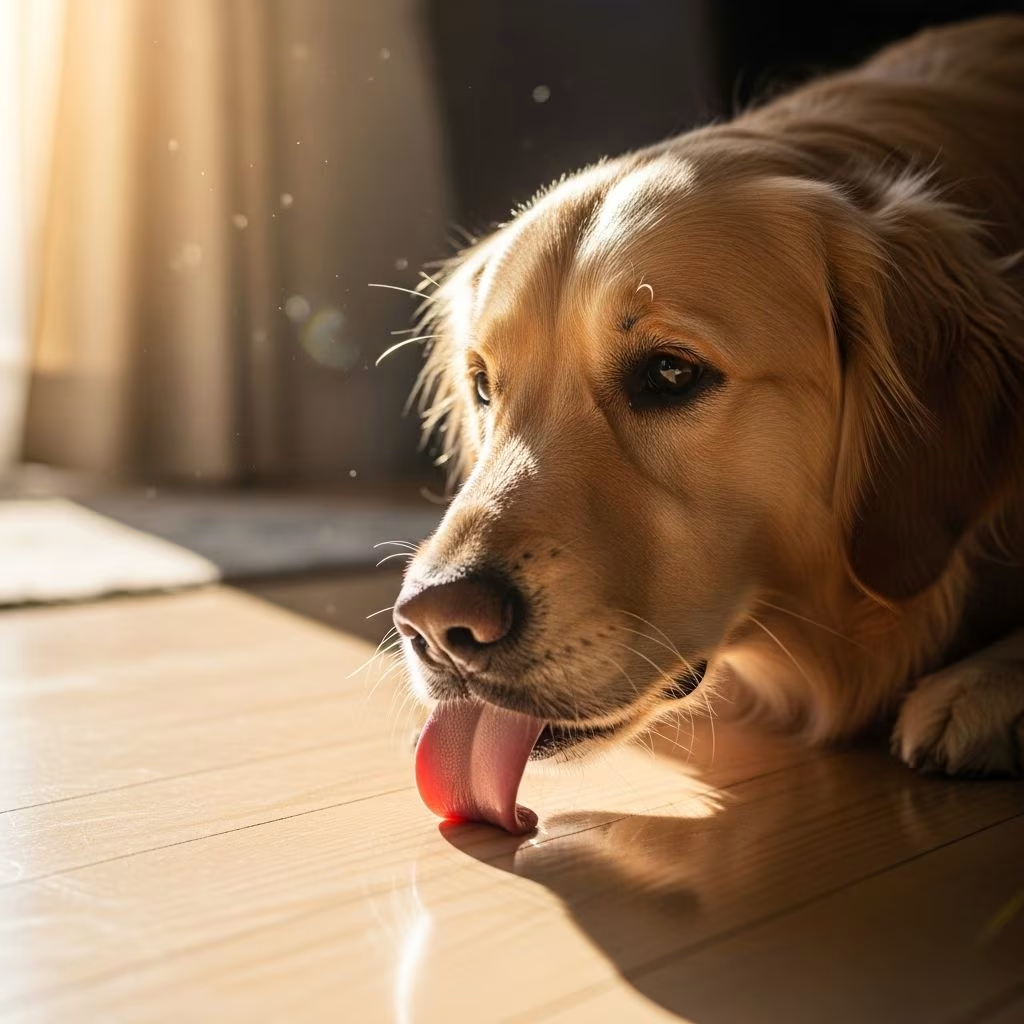
Dogs licking the floor is a common behavior that can range from harmless curiosity to a sign of underlying health issues. While occasional licking might stem from detecting invisible food crumbs or scents, persistent **excessive licking of surfaces (ELS)** often warrants closer attention from pet owners. Understanding the root causes—whether behavioral, nutritional, or medical—helps ensure your dog’s well-being and prevents escalation into compulsive habits.
This comprehensive guide breaks down the top reasons dogs lick floors, drawing from veterinary insights and studies. We’ll cover everything from simple fixes like increased playtime to when you should rush to the vet. By the end, you’ll know how to observe your pup, implement solutions, and promote a healthier, happier life.
Common Reasons Why Dogs Lick the Floor
Dogs explore their world primarily through their sense of smell and taste, making floor licking a natural extension of curiosity. However, when it becomes obsessive, several factors come into play. Here’s a detailed look at the most frequent culprits:
1. Food Residue or Interesting Scents
Your floors may look clean, but a dog’s nose is 10,000 to 100,000 times more sensitive than ours. They can detect tiny crumbs, spilled food, or even pheromones from other animals—like scents from a female dog in heat. This leads to targeted licking at specific spots.
- Signs: Licking one area repeatedly, often near dining spots or high-traffic zones.
- Solution: Vacuum and mop daily with pet-safe cleaners. Use enzymatic sprays to eliminate odors completely.
2. Gastrointestinal (GI) Disorders
One of the leading medical causes of ELS is stomach upset. A study of 19 dogs with ELS revealed that most suffered from GI issues like inflammatory bowel disease (IBD), pancreatitis, delayed gastric emptying, or parasites such as giardiasis. Over half improved after treatment.
Veterinarian Dr. Diane Frank notes that “the majority of dogs presented with ELS are affected by an underlying GI disorder.” Nausea prompts dogs to lick surfaces to soothe discomfort or induce vomiting, a natural response to tummy aches.
- Associated symptoms: Vomiting, diarrhea, loss of appetite, or upset stomach.
- Action: Consult a vet for fecal tests, bloodwork, or dietary trials.
3. Anxiety, Stress, or Compulsive Behavior
Licking releases endorphins, acting as self-soothing for anxious dogs. While one study found no direct ELS-anxiety link, many owners report it during stressful events like thunderstorms or separations.
Excessive licking can evolve into a **compulsive disorder**, disrupting daily life and requiring behavior therapy or medication.
- Signs: Pacing, whining, panting, or licking alongside other displacement behaviors like wall-biting.
- Solutions: Provide puzzle toys, increase exercise, and consider calming aids like pheromone diffusers.
4. Boredom or Lack of Stimulation
Bored dogs turn to floor licking for entertainment, much like digging beds or scratching floors. Mental understimulation is a key overlooked factor.
Puppies and high-energy breeds are especially prone, seeking sensory input from textures or tastes.
- Prevention: Rotate toys, introduce scent games, and aim for 30-60 minutes of daily exercise plus mental challenges.
5. Allergies or Skin Irritation
Food or environmental allergies cause itching and discomfort, leading to floor licking as displaced grooming. Dogs may lick cool floors for relief.
- Other signs: Paw chewing, ear infections, hot spots, or excessive scratching.
- Diagnosis: Vet allergy testing or elimination diets.
6. Nutritional Deficiencies
Dogs on poor-quality diets or with malabsorption may lick floors seeking minerals like iron. This pica-like behavior signals dietary gaps.
- Fix: Switch to high-quality, balanced food. Consult a vet nutritionist for raw or home-cooked options.
7. Oral Pain or Dental Issues
Dental disease causes discomfort, prompting floor licking for relief. Bad breath or food avoidance are red flags.
8. Neurological or Other Medical Conditions
Senior dogs may exhibit ELS due to cognitive dysfunction, seizures, kidney/liver disease, or pain. Increased thirst, lethargy, or vomiting accompany these.
How to Tell If It’s Serious: Observation Tips
Not all floor licking requires a vet visit, but track these factors:
| Benign Indicators | Concerning Signs |
|---|---|
| Occasional, in one spot | Constant, across surfaces |
| No other symptoms | GI upset, weight loss, lethargy |
| Stops with distraction | Obsessive, ignores toys/food |
| Puppy/young dog | Sudden onset in adults/seniors |
Video your dog’s behavior for the vet. Note duration, frequency, and triggers.
Solutions and When to See a Vet
Start with behavioral tweaks:
- Enrich environment: Interactive feeders, frozen Kongs with peanut butter.
- Diet review: Probiotics for gut health; hypoallergenic trials.
- Exercise boost: Daily walks, agility training.
See a vet immediately if:
- Licking persists >1 week despite changes.
- Accompanied by vomiting, diarrhea, or behavior shifts.
- Dog seems in pain or distressed.
Preventing Floor Licking Long-Term
Proactive care keeps this habit at bay:
- Regular vet check-ups for early detection of GI/allergy issues.
- Balanced nutrition tailored to age/breed.
- Mental/physical routine to combat boredom.
- Clean floors routinely to remove temptations.
- Socialization and training to reduce anxiety.
Frequently Asked Questions (FAQs)
Is floor licking always a sign of illness?
No, it can be normal curiosity or residue detection, but persistent ELS often links to GI issues or stress.
Why do dogs lick floors when nauseous?
Licking soothes the stomach or induces vomiting to relieve discomfort, a common response in GI distress.
Can diet stop my dog from licking the floor?
Yes, addressing deficiencies or allergies via quality food changes has helped many dogs.
How much floor licking is too much?
If it exceeds 30 minutes daily or interferes with eating/sleeping, consult a vet.
Does anxiety cause floor licking in puppies?
Yes, separation anxiety or boredom often manifests this way in young dogs.
References
- Why Is My Dog Licking the Floor? — Petcube. 2023-05-15. https://petcube.com/blog/dog-licking-the-floor/
- Dog Licking Floor and Upset Stomach: Causes and Solutions — Under the Weather Pet. 2024-02-20. https://www.undertheweatherpet.com/blogs/under-the-weather/dog-licking-floor-and-upset-stomach-causes-and-solutions
- Help! Why Is My Dog Constantly Licking The Floor? — Zigzag.dog. 2023-11-10. https://zigzag.dog/en-us/blog/puppy-behavior/understanding-your-puppy/help-why-is-my-dog-constantly-licking-the-floor/
- Excessive Licking, Chewing, and Grooming in Dogs — PetMD. 2024-08-05. https://www.petmd.com/dog/general-health/excessive-licking-chewing-and-grooming-dogs
- Why Does My Dog Lick the Floor? — SpiritDog Training. 2023-07-12. https://spiritdogtraining.com/behavior/why-does-dog-lick-floor/



