

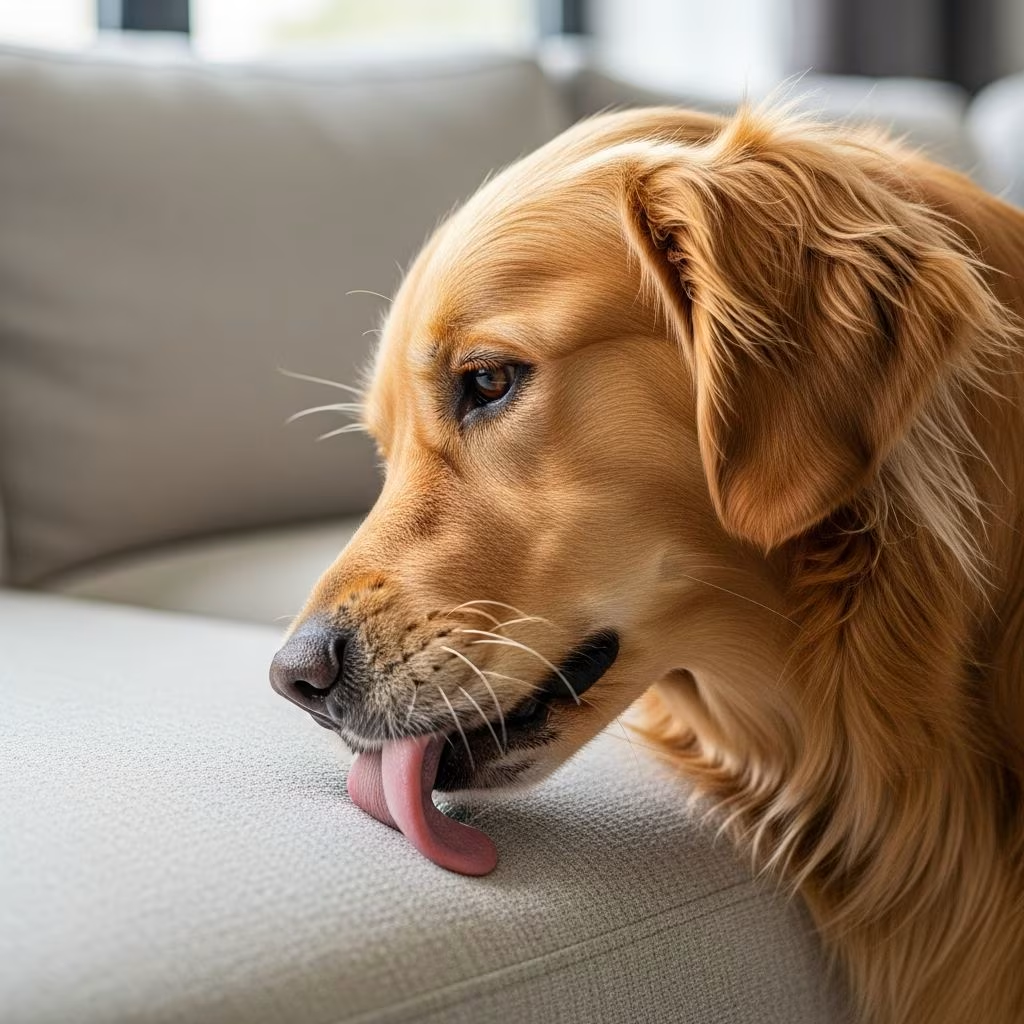
Seeing your dog obsessively licking the couch can be puzzling and frustrating. This common behavior often stems from natural instincts but can signal deeper issues like boredom, stress, or health problems. Understanding the root cause is key to addressing it effectively and protecting your furniture while ensuring your pup’s happiness.
Normal Licking vs. Excessive Licking
Dogs lick for many reasons: self-grooming, exploring their environment, showing affection, or savoring tastes like salty human skin. Occasional couch licking might just be curiosity or enjoyment of lingering scents and flavors from family snacks. However, excessive licking—persistent, intense sessions that leave cushions soggy—is different. It often indicates your dog is self-soothing or compelled by an underlying issue. If distractions don’t work and the behavior persists, it’s time to investigate further.
Reason 1: Boredom
A bored dog with nothing to do may turn to the couch for entertainment. Lacking mental or physical stimulation, they lick repetitively to pass time, similar to how humans might fidget. This is common in dogs left alone for long periods without toys or exercise.
- Signs: Easily distracted, licks intermittently when idle.
- Solution: Provide interactive toys like puzzle feeders, lick mats with peanut butter, or chew toys. Increase daily walks, playtime, and training sessions to engage their mind and body.
Enriching their environment prevents boredom from escalating into habitual licking.
Reason 2: Stress and Anxiety
Changes in routine, loud noises, separation from owners, new visitors, or moves can trigger anxiety. Licking releases endorphins, acting as a natural calming mechanism—like nail-biting in humans. Dogs are creatures of habit, so disruptions prompt this self-soothing response.
- Common triggers: Thunderstorms, fireworks, being home alone, household changes like a new baby or pet.
- Solution: Identify stressors and mitigate them. Use calming aids like pheromone diffusers, anxiety wraps, or comfortable safe spaces. Positive reinforcement training and desensitization help long-term.
If licking ramps up during specific events, stress is likely the culprit.
Reason 3: Canine Compulsive Disorder (CCD)
Excessive licking can be a symptom of canine obsessive-compulsive disorder, akin to human OCD. Dogs may lick with intensity, aggression, or a spaced-out expression, unable to stop even when distracted. This often develops in dogs from restricted environments, like prolonged chaining or caging without socialization, leading to ingrained stereotypies—repetitive, nonfunctional behaviors.
- Risk factors: Limited early exercise, poor socialization, certain breeds prone to compulsions (though no breed is immune).
- Solution: Consult a veterinary behaviorist. Behavior modification, medication, and environmental enrichment are often needed. Early intervention prevents habituation.
CCD requires professional diagnosis to rule out other causes.
Reason 4: Medical Issues
Health problems frequently cause unusual licking. Gastrointestinal upset from dietary changes disrupts gut bacteria, leading to nausea and fabric-licking for relief. Older dogs may develop canine cognitive dysfunction (dementia), prompting compulsive behaviors, especially at night.
Other causes include:
- Pain or discomfort: Dental issues, injuries, or arthritis—dogs lick to soothe affected areas indirectly.
- Nutritional deficiencies: Cravings for missing minerals prompt surface licking.
- Neurological or adrenal disorders: Conditions like Cushing’s disease alter behavior.
- Allergies or skin conditions: Indirect licking if paws or body are itchy.
Always rule out medical causes with a vet visit, including bloodwork and exams. Keeping a behavior log (time, duration, context) aids diagnosis.
How to Stop Your Dog from Licking the Couch
Addressing couch licking involves prevention, redirection, and professional help when needed. Start by cleaning the couch with pet-safe products to remove appealing residues—no more eating on furniture. Block access if possible.
Step-by-Step Solutions
- Redirect: Offer alternatives like frozen Kongs, lick mats, or durable chew toys.
- Exercise more: 30-60 minutes daily of walks, runs, or fetch burns energy.
- Train commands: Teach “leave it” or “go to bed” with treats for compliance.
- Manage environment: Use baby gates, deterrents like bitter sprays, or cover furniture.
- Calm anxiety: Try CBD treats (vet-approved), thunder shirts, or white noise machines.
- Vet check: If no improvement in 1-2 weeks, seek professional advice.
Consistency is crucial—mixed signals reinforce the habit.
When to See a Vet or Behaviorist
Consult a professional if:
- Licking is relentless and can’t be interrupted.
- Accompanied by symptoms like vomiting, lethargy, weight loss, or aggression.
- Your dog seems disoriented, especially seniors.
- Behavior worsens despite home interventions.
Early action prevents escalation and underlying issues from progressing.
Prevention Tips
Proactive steps keep licking at bay:
- Daily mental stimulation: Training, scent games, obedience classes.
- Routine stability: Consistent schedules for meals, walks, play.
- Health maintenance: Regular vet checkups, balanced diet, dental care.
- Socialization: Expose to various stimuli early.
| Cause | Signs | Quick Fix |
|---|---|---|
| Boredom | Intermittent, distractible | Toys, exercise |
| Anxiety | Trigger-specific | Calming aids, desensitization |
| CCD | Intense, unstoppable | Behaviorist |
| Medical | Sudden onset, other symptoms | Vet exam |
Frequently Asked Questions (FAQs)
Is it normal for dogs to lick the couch occasionally?
Yes, occasional licking is normal exploration or taste enjoyment. Worry when it’s excessive and persistent.
Does couch licking always mean anxiety?
No, it could be boredom, health issues, or compulsion. Observe context and patterns.
Can diet cause my dog to lick furniture?
Yes, GI upset or deficiencies from diet changes can trigger nausea-related licking.
How do I clean my couch after dog licking?
Use pet-safe enzymatic cleaners to remove saliva and residues. Avoid human products that might irritate.
Will my puppy outgrow couch licking?
Puppies explore via licking, but without intervention, it can become habitual. Redirect early.
What if my senior dog starts licking more?
Check for cognitive dysfunction or pain. Vet evaluation is essential.
This comprehensive guide empowers you to decode and curb your dog’s couch-licking habit. By addressing the cause—be it behavioral or medical—you’ll restore peace to your home and boost your furry friend’s quality of life.
References
- Why Does My Dog Lick the Furniture? — American Kennel Club. 2023-05-15. https://www.akc.org/expert-advice/advice/why-dogs-lick-furniture/
- Does Your Dog Lick the Couch? Here’s What It Could Mean — Dogtopia. 2024-02-20. https://www.dogtopia.com/blog/does-your-dog-lick-the-couch-heres-what-it-could-mean/
- Why Does My Dog Lick the Couch? — Whole Dog Journal. 2023-11-10. https://www.whole-dog-journal.com/behavior/why-does-my-dog-lick-the-couch/
- Is It Normal? Why Dogs Engage in Excessive Licking Constantly — Riverbend Pet. 2024-01-05. https://www.riverbendpet.com/reasons-dogs-excessive-licking/



