

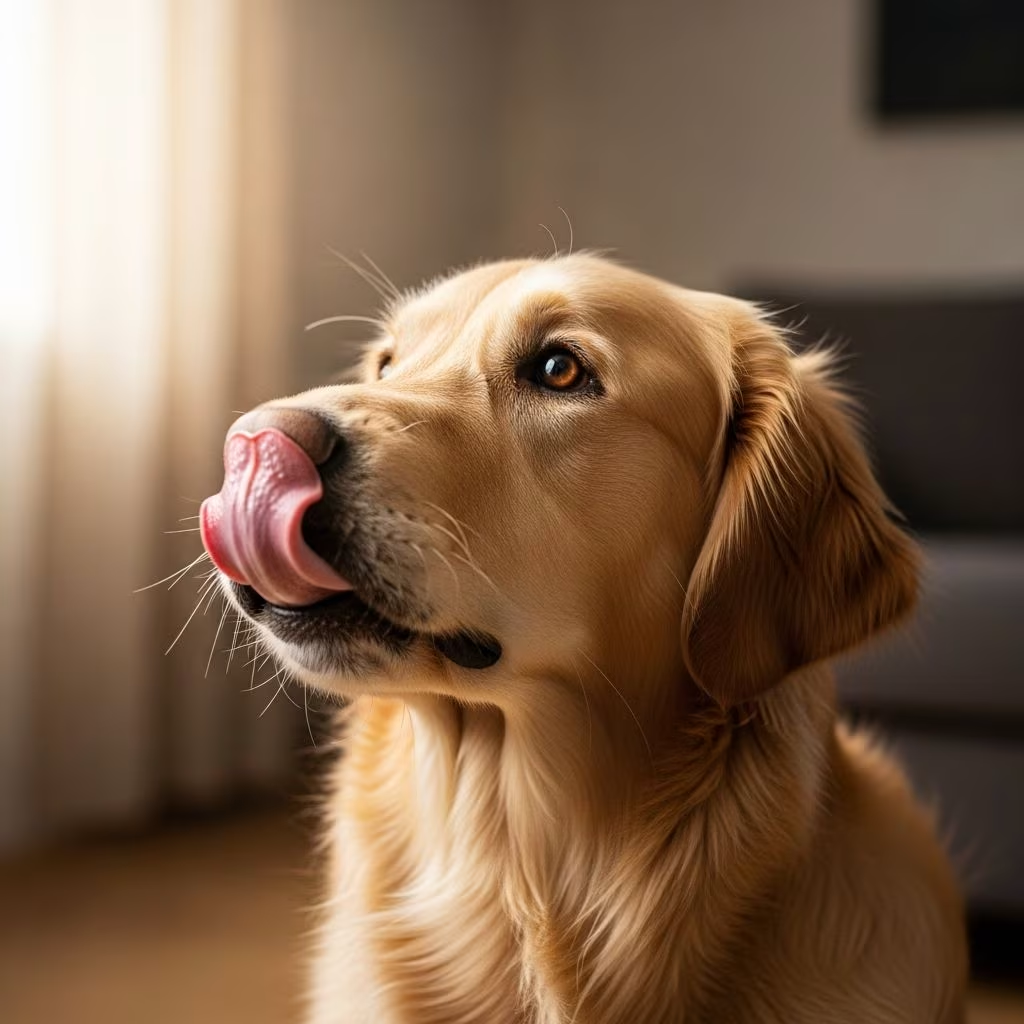
Dogs communicate and explore their world in fascinating ways, and one quirky behavior many owners notice is their dog licking the air. This action, often accompanied by a raised head or chattering teeth, can seem puzzling but usually serves a purpose. Whether it’s a fleeting moment after a tasty treat or persistent lip-smacking, understanding air licking helps owners discern normal habits from potential health concerns. Backed by veterinary insights, this guide breaks down the top reasons dogs lick the air, when to monitor it, and steps to take for your pup’s well-being.
What Is Air Licking in Dogs?
Air licking, also called lip licking or flehmen response in some contexts, involves a dog extending its tongue to lick at nothing visible in the air. It might look like they’re trying to catch invisible flies or savor a lingering flavor. This behavior engages the dog’s keen senses and can signal emotional or physical states. Dogs perform it sporadically or compulsively, depending on the trigger. Observing context—such as after meals, during walks, or in stressful situations—provides clues to its meaning.
The vomeronasal organ (VNO), or Jacobson’s organ, plays a key role. Located in the roof of the mouth, it detects pheromones and subtle scents humans can’t perceive. Air licking draws odor molecules into this organ for analysis, enhancing a dog’s environmental awareness.
Normal Reasons Dogs Lick the Air
Many instances of air licking are benign and tied to a dog’s natural instincts. Here’s why it happens in healthy, happy scenarios:
- Savoring Tasty Residues: After peanut butter, candy, or strong-flavored food, dogs lick the air to capture lingering tastes. Sticky substances prompt repeated tongue flicks to clean the mouth.
- Intensifying Scents: On walks or near interesting smells like urine or food, dogs lick air to funnel scents to the VNO. Nose wrinkling and nostril flaring often accompany this, aiding pheromone detection.
- Thirst or Heat Regulation: Dehydrated or overheated dogs lick air to stimulate saliva, moistening a dry mouth. This aids panting, their primary cooling method since they sweat only through paws.
- Excitement or Happiness: During petting, play, or mealtime anticipation, air licking expresses joy. It’s a mild, positive displacement behavior.
These normal causes typically resolve quickly without other symptoms. If your dog does this occasionally in stimulating environments, it’s likely just their super-sniffer at work.
Medical Causes for Air Licking
When air licking persists or pairs with symptoms like vomiting, bad breath, or lethargy, it may indicate health issues. Prompt vet evaluation is crucial to rule out problems.
Nausea and Gastrointestinal Distress
One of the most common medical triggers is an upset stomach. Dogs lick air to alleviate nausea from acid reflux (GERD), gastritis, or dietary indiscretions. It often precedes vomiting or regurgitation. Chronic cases might stem from pancreatitis, irritable bowel syndrome (IBS), food allergies, parasites, or blockages.
- Symptoms to watch: Lip licking before puking, diarrhea, appetite loss, gulping air.
- Acute vs. chronic: Sudden onset suggests indigestion; ongoing points to IBD or ulcers.
Vets may recommend diet changes, anti-nausea meds, or diagnostics like bloodwork and ultrasounds.
Dental and Oral Pain
Dental disease tops the list for sudden air licking. Broken teeth, gum infections, abscesses, or stuck objects cause discomfort, prompting licking for relief. Foul breath, drooling, or pawing at the mouth are red flags.
Periodontal disease affects 80% of dogs over age three, making regular dental checks essential. Treatments include cleaning, extractions, or antibiotics.
Allergies and Skin Irritations
Environmental allergens, food sensitivities, or fleas cause itching, sometimes felt in the mouth or throat, leading to air licking. Watch for paw chewing, ear infections, or hot spots alongside.
Hypoallergenic diets or antihistamines often help, but allergy testing may be needed.
Behavioral and Neurological Reasons
Beyond physical causes, air licking can reflect mental or neurological states.
Anxiety and Stress
Dogs lick air as a calming signal during stress—like vet visits, thunderstorms, or separation. It’s a displacement behavior, akin to yawning or tail chasing, signaling submission or self-soothing. Chronic anxiety from isolation or trauma escalates it.
- Triggers: New people, loud noises, car rides, being alone.
- Solutions: Enrichment toys, training, pheromone diffusers, or vet-prescribed anxiety aids.
Compulsive Disorders
Repetitive air licking interfering with daily life suggests canine compulsive disorder (CCD), similar to OCD in humans. Stemming from anxiety, boredom, or genetics, it includes fly-snapping or shadow-chasing.
Behaviorists use desensitization, meds like fluoxetine, and environmental changes.
Cognitive Dysfunction
In senior dogs, air licking signals cognitive dysfunction syndrome (CDS), akin to Alzheimer’s. Repetitive behaviors accompany disorientation and sleep changes.
Management includes senior diets, supplements like SAM-e, and routine consistency.
Neurological Issues or Seizures
Rarely, focal seizures mimic air licking with head tilting or blank stares. Unlike normal licking, seizures are episodic and unresponsive.
EEG or MRI may diagnose; anti-convulsants treat.
When to See a Vet for Air Licking
Not all air licking warrants alarm, but consult a vet if:
- It lasts >24 hours or intensifies.
- Accompanied by vomiting, diarrhea, weight loss, or lethargy.
- Bad breath, drooling, or mouth pawing present.
- Your dog seems distressed, ignores food, or shows neurological signs.
Start with a physical exam, oral inspection, and history. Diagnostics might include blood tests, fecal analysis, imaging, or dental X-rays. Early intervention prevents complications.
How to Stop Excessive Air Licking
Treatment targets the cause:
| Cause | Solutions |
|---|---|
| Normal/Sensory | Provide water, chews; redirect with toys. |
| GI Upset | Diet trial, probiotics, anti-nausea meds. |
| Dental | Professional cleaning, pain relief, tooth extraction. |
| Anxiety | Training, exercise, calming aids. |
| Compulsive/CDS | Behavior therapy, medications. |
Preventive tips: Annual vet visits, dental care, balanced diet, mental stimulation via puzzle toys and walks. Monitor for changes.
Frequently Asked Questions (FAQs)
Is air licking always a sign of something wrong?
No, it’s often normal for scent processing or after treats. Worry if persistent or with symptoms.
Why does my dog lick the air after eating?
Lingering flavors or mild reflux; ensure smaller meals if frequent.
Can anxiety cause constant air licking?
Yes, as a stress response. Increase exercise and use calming products.
How do I know if it’s dental pain?
Check for bad breath, reluctance to chew, or visible issues. Vet dental exam confirms.
Does age affect air licking?
Seniors may lick due to CDS; monitor sleep and house-training.
References
- Why Is My Dog Licking Air? — Whole Dog Journal. 2023-05-15. https://www.whole-dog-journal.com/behavior/why-is-my-dog-licking-air/
- Dog Licking Air with Head Up – Causes, Symptoms & When to Worry — PetPlace. 2024-02-10. https://www.petplace.com/article/dogs/pet-health/dog-health/my-dog-keeps-licking-the-air-what-does-that-mean
- Why Does My Dog Lick the Air? — American Kennel Club (AKC). 2023-11-20. https://www.akc.org/expert-advice/lifestyle/why-does-my-dog-lick-the-air/
- Why Do Dogs Lick The Air? — PetMD. 2024-01-05. https://www.petmd.com/dog/behavior/why-do-dogs-lick-air
- Your Dog is Licking the Air? 7 Common Culprits — ToeGrips. 2023-08-12. https://toegrips.com/dog-is-licking-the-air/



