

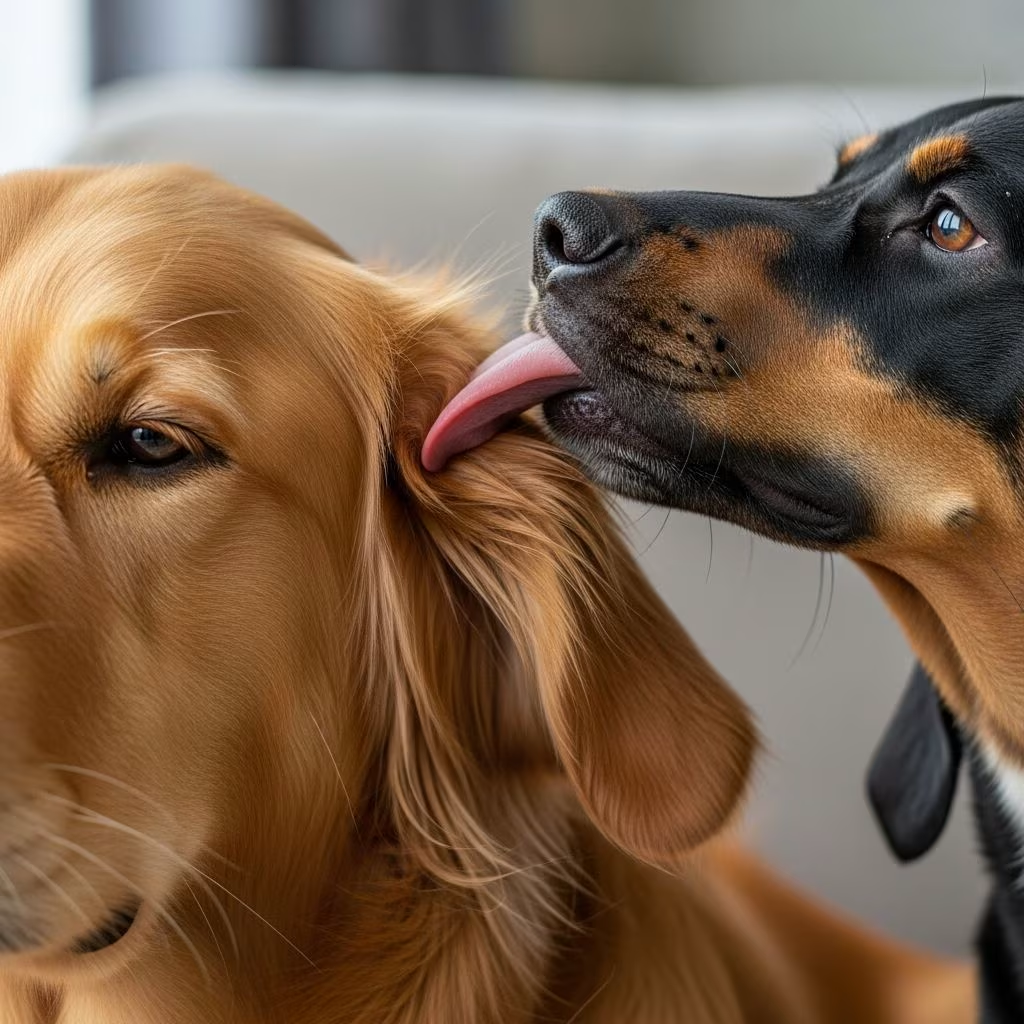
Dogs often lick each other’s ears as a natural behavior rooted in their social instincts, serving purposes like affection, grooming, submission, or even health detection. While moderate ear licking is typically harmless and strengthens bonds between dogs, excessive licking may signal underlying issues such as stress, allergies, gastrointestinal problems, or ear infections, requiring veterinary evaluation.
Understanding Dog Behavior
Licking is a fundamental canine communication tool, originating from maternal care where mother dogs groom and comfort puppies by licking them. This behavior persists into adulthood, fostering bonds among pack members through mutual grooming and sensory exploration. Veterinary behaviorist Dr. Valli Parthasarathy notes that for social dogs, licking represents bonding, similar to how puppies lick littermates to build relationships.
Dogs use licking to groom, taste their environment, express affection, or self-soothe, often releasing endorphins for comfort. In multi-dog households, ear licking commonly occurs because dogs cannot reach their own ears, relying on packmates for hygiene in hard-to-access areas. Observing body language—such as tail wagging or relaxed postures—helps distinguish playful bonding from problematic fixation.
Reasons Why Dogs Lick Each Other’s Ears
Dog ear licking stems from instinctual drives including social interaction, hygiene, hierarchy, and sensory appeal. Below are the primary motivations, supported by canine behavior patterns.
Greeting and Affection
Ear licking frequently accompanies greetings, with excited dogs wagging tails and wiggling bodies to show love. This mirrors wild pack reunions where subordinates licked dominant members’ faces and ears to reaffirm bonds. Puppies learn this from mothers, associating licking with affection and carrying it into adult relationships. In homes, it signifies trust and comfort among cohabiting dogs.
Grooming
Dogs groom mutually to maintain hygiene, targeting areas like ears they can’t self-clean. Licking removes dirt, debris, and potential parasites, akin to primate fur-picking. While beneficial in moderation, excessive grooming can irritate skin or introduce bacteria if an infection is present. Friendly dogs in the same household often reciprocate, strengthening pack unity.
Health Problems
Concentrated ear licking may indicate issues. Dogs detect ear infections via scent and taste, drawn to yeasty or discharge-laden ears before visible symptoms. Their acute sense of smell rivals detection dogs used for medical alerts. Excessive licking elsewhere, like paws, links to allergies, while surface licking correlates with gastrointestinal disorders per research.
Signs to Watch:
- Sudden onset of obsessive licking
- Visible ear discharge, odor, or redness
- Soaked or inflamed ears from prolonged contact
- Accompanying symptoms like head shaking or paw chewing
Consult a vet promptly, as untreated infections can worsen, and licking spreads bacteria.
Social Hierarchy
Ear licking often denotes submission, with lower-ranking dogs licking dominants to acknowledge hierarchy and avoid conflict. Body language reveals roles: the licker may lower its head or avoid eye contact. This maintains pack order, reducing aggression. In balanced homes, it reflects stable dynamics rather than bullying.
Self-Soothing Behavior
Licking calms stressed dogs, providing repetitive comfort like human fidgeting. Excessive ear fixation during absences suggests separation anxiety. Boredom or compulsion prompts this; redirect with toys, exercise, or chews. Sudden changes warrant checking for anxiety triggers like routine disruptions.
Taste and Sensory Appeal: Some dogs relish ear wax’s salty, savory flavor, exploring via taste as they do the world. This curiosity-driven licking is common but should not dominate interactions.
When to Worry About Dog Ear Licking
Moderate licking during play or greetings is normal. Worry if:
- It becomes compulsive, displacing eating or sleeping
- The recipient shows discomfort (e.g., growling, hiding)
- Ears appear infected or licking causes wetness sores
- Linked to stress indicators like pacing or whining
Intervene by distracting with toys, separating briefly, or cleaning ears. Persistent cases need vet checks for allergies, infections, or GI issues.
How to Manage and Discourage Excessive Ear Licking
Redirect unwanted licking humanely:
- Enrichment: Provide puzzle toys, chews, or training sessions to combat boredom
- Exercise: Daily walks and play reduce stress
- Training: Use ‘leave it’ commands with rewards
- Hygiene: Regularly clean ears to remove appeal
- Professional Help: Behaviorists for anxiety; vets for health
Avoid punishment, as it heightens stress. Monitor multi-dog dynamics for balance.
Frequently Asked Questions (FAQs)
Is it normal for dogs to lick each other’s ears?
Yes, in moderation—it’s a sign of affection, grooming, or bonding.
Why is my dog suddenly obsessed with licking another dog’s ears?
It could detect an infection, indicate stress, or stem from boredom. Vet check recommended.
Can ear licking cause infections?
Yes, excessive saliva introduces bacteria, worsening or spreading issues.
How do I stop my dog from licking other dogs’ ears?
Redirect with toys, increase exercise, train commands, and maintain ear hygiene.
Does ear licking mean my dogs get along?
Often yes, showing trust, but watch for submission signs or one-sidedness.
Table: Common Reasons for Dog Ear Licking vs. Warning Signs
| Normal Reasons | Warning Signs (Excessive Licking) |
|---|---|
| Affection/greeting with wagging | Compulsive, ignoring toys/food |
| Grooming hard-to-reach areas | Ear odor/discharge noticed |
| Submission in hierarchy | Stress behaviors like pacing |
| Sensory exploration/taste | Recipient irritation or avoidance |
This table summarizes behaviors for quick assessment.
References
- Why Does Your Dog Lick My Other Dog’s Ears? Common Behaviors — Kinship. 2023. https://www.kinship.com/dog-behavior/why-does-my-dog-lick-my-other-dogs-ears
- Why Does Your Dog Lick Another Dog’s Ears? — Midlands Pet Care. 2023. https://midlandspetcare.com/why-does-your-dog-lick-another-dogs-ears/
- Why Do Dogs Lick Each Other’s Ears? — Outward Hound Furtropolis. 2023. https://outwardhound.com/furtropolis/dogs/why-do-dogs-lick-each-others-ears
- Why Dogs Lick Other Dogs Ears — WagWalking. 2023. https://wagwalking.com/behavior/why-dogs-lick-other-dogs-ears
- Why Do Dogs Lick Each Other’s Ears? — HICC Pet. 2023. https://hiccpet.com/blogs/dogs/why-do-dogs-lick-each-others-ears



