

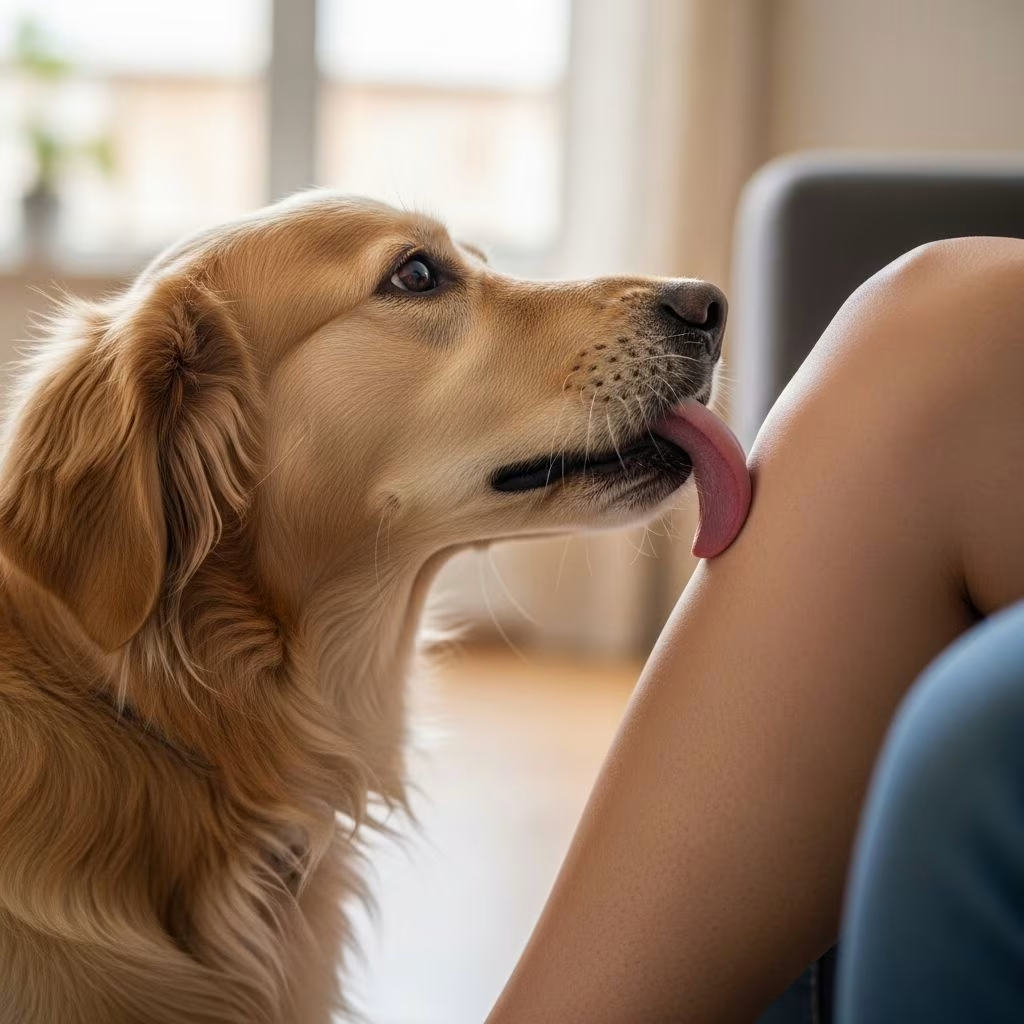
Your dog’s tongue on your legs might feel like a wet, slobbery surprise, but it’s one of the most common canine behaviors. Dogs lick legs for a variety of reasons rooted in their instincts, emotions, and even your skin’s salty appeal. Understanding why dogs lick legs helps you respond appropriately—whether it’s showering them with love back or addressing an underlying issue. In this guide, we break down the six most frequent causes, drawing from veterinary behaviorists and canine experts. From pure affection to self-soothing rituals, we’ll cover it all, plus tips on curbing excessive licking and FAQs to answer your burning questions.
6 Common Reasons Why Your Dog Licks Your Legs
Dogs communicate through body language, scents, and yes, licks. Leg-licking specifically targets an accessible, sweat-prone area. Here are the top explanations, supported by animal behavior insights.
Your Dog Is Expressing Love and Affection
The **number one reason** dogs lick your legs is simple: they adore you. Licking mimics how puppies solicit care from their mothers, releasing endorphins for both parties. “Any kind of licking by a dog could be a sign of affection, similar to how they may interact with other dogs,” explains behaviorist Rodgers. Watch for wagging tails, relaxed ears, and eye contact—these amplify the loving intent.
Context matters: if your dog licks during greetings or cuddles, it’s bonding. This behavior strengthens your pack-like relationship, where legs represent your presence and scent. Puppies especially use mouths to explore since they lack hands, turning licks into lifelong affection habits.
Your Dog Wants More Attention
Dogs are social creatures craving interaction. Leg-licking often escalates when it works—your laugh, squeal, or gentle push rewards them with focus. This positive reinforcement loop encourages repetition, especially if they’re understimulated.
Signs include licking followed by pawing or staring. Bored or lonely dogs target legs because they’re always there. To redirect, ignore the lick and reward calm sitting with pets or play. Over time, this shifts attention-seeking to desirable behaviors.
- Ignore licks immediately—no reaction.
- Offer toys or commands like “sit” for attention.
- Increase daily walks and play to prevent boredom.
Your Dog Thinks Your Sweat Tastes Good
Human skin glistens with salty sweat, a canine delicacy. Post-workout or morning legs are prime targets. “Some dogs just enjoy the taste of your sweat,” notes Rodgers, and it’s harmless. Salt satisfies their taste buds, akin to us craving chips.
This peaks after exercise, sleep, or hot days. If only sweaty spots get licked, flavor’s the culprit. Showering reduces appeal, but don’t worry—it’s not nutritional deficiency unless paired with other symptoms.
Your Dog Finds Licking Comforting
Licking self-soothes like a security blanket. It releases endorphins, calming anxiety or guilt. Dogs lick legs when worried, post-mischief, or stressed. Compulsive licking can signal boredom, forming lick granulomas—raised, irritated skin from over-licking.
For owners’ legs, it’s appeasement: “Dogs can do this as an appeasing behavior when they’re a little worried,” per Rodgers. Interrupt early with enrichment like lick mats topped with peanut butter—tastier than skin.
Your Dog Is Grooming You
Wild ancestors groomed packmates for hygiene and bonds. Domestic dogs extend this to humans, viewing legs as part of the family. It’s reciprocal affection, cleaning sweat or debris while strengthening ties.
If gentle and infrequent, it’s grooming. Excessive cases might indicate allergies causing itchiness on their end, leading to redirected licking. Monitor for skin changes.
Your Dog Is Showing Submission or Respect
In dog social dynamics, licking conveys deference. Targeting lower body areas like legs signals “you’re boss.” It’s appeasement during greetings or corrections, reducing tension.
Paired with averted gaze or play bows, it’s respect. Confident dogs lick less; anxious ones more. Positive training builds security, minimizing submissive licks.
Is Excessive Leg Licking a Problem?
Occasional licks are normal, but **excessive licking** warrants attention. If constant, it could stem from:
- Anxiety/Boredom: Releases calming endorphins; common in under-exercised dogs.
- Allergies: Itchy skin from pollen, food (beef, dairy), or environment prompts licking.
- Pain/Injury: Arthritis or wounds; dogs lick sore spots for relief.
- Infections: Yeast, bacteria, fleas cause itch.
- GI Issues: Nausea leads to licking; up to 60% of cases per studies.
Red flags: hair loss, redness, wounds (lick granulomas), or behavioral shifts. Consult a vet for skin scrapes or bloodwork.
How to Stop Your Dog from Licking Your Legs
Manage without punishment—focus on redirection:
- Ignore and Redirect: Turn away; offer a toy or command.
- Enrichment: Lick mats, Kongs with yogurt beat sweat taste.
- Exercise: 30-60 minutes daily walks curb boredom.
- Training: Teach “leave it” with treats.
- Clean Up: Shower reduces salt appeal.
- Professional Help: For compulsions, see behaviorists.
| Trigger | Solution |
|---|---|
| Affection/Attention | Scheduled playtime |
| Sweat Taste | Bathe legs, distraction toys |
| Anxiety | Calming aids, vet check |
| Medical | Vet diagnosis/treatment |
Bottom Line
Dog leg-licking is usually benign—love, attention, taste, comfort, grooming, or submission. Embrace it as connection, but intervene if excessive. Rule out health issues, boost enrichment, and train positively for harmony. Your dog’s licks say “I love you”—respond with understanding.
Frequently Asked Questions (FAQs)
Why does my dog lick me so much?
Dogs lick excessively from affection, habit, or soothing needs. Puppies explore with mouths; adults continue for comfort. It feels good via endorphins.
Why does my dog lick my legs after a shower?
Post-shower skin retains minerals or lotion traces dogs find tasty, despite less salt.
Is leg licking a sign of dominance?
No, typically submission or affection—not dominance.
When should I worry about leg licking?
If paired with wounds, lethargy, or obsession—vet time for allergies/pain.
Can I train my dog to stop licking legs?
Yes, via ignore/redirect and enrichment. Consistency is key.
References
- Why Does Your Dog Lick Your Legs? Our Experts Explain — Kinship. 2023. https://www.kinship.com/dog-behavior/why-does-my-dog-lick-my-legs
- How to Prevent a Lick Granuloma — DogLeggs. 2024-05-15. https://www.dogleggs.com/blog/how-to-prevent-a-lick-granuloma/
- 12 Reasons Dogs Lick Excessively and When to be Concerned — Pets Best. 2023-11-20. https://www.petsbest.com/blog/12-reasons-dogs-lick-excessively
- Is It Normal? Why Dogs Engage in Excessive Licking Constantly — Riverbend Pet. 2024. https://www.riverbendpet.com/reasons-dogs-excessive-licking/
- When Licking Isn’t Due to Allergies — Ortho Dog. 2023-08-10. https://orthodog.com/blogs/sit-stay-heal/when-licking-isn-t-due-to-allergies
- Why Is My Dog Constantly Licking His Front Legs? — PetHelpful. 2024. https://pethelpful.com/dogs/why-is-my-dog-constantly-licking-his-front-legs
- Excessive Licking, Chewing, and Grooming in Dogs — PetMD. 2025-01-05. https://www.petmd.com/dog/general-health/excessive-licking-chewing-and-grooming-dogs



