

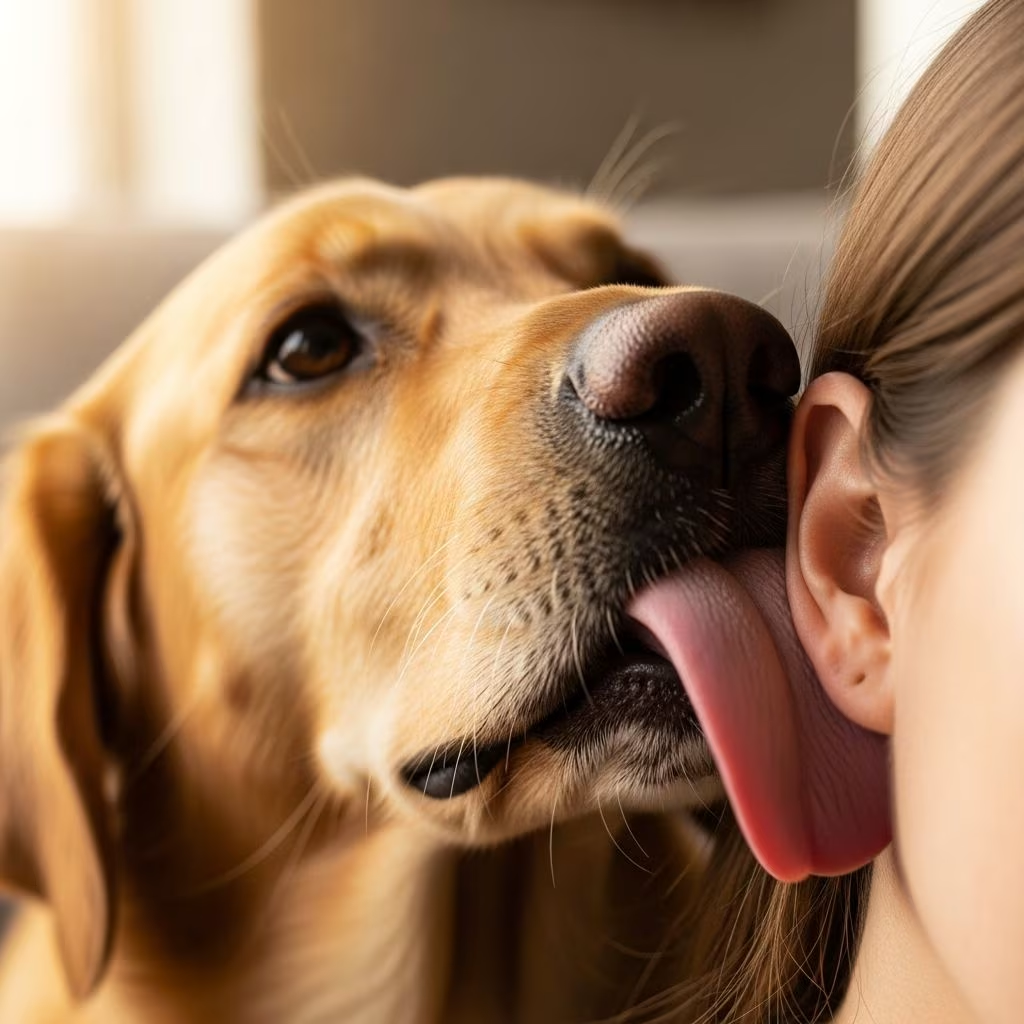
Your dog’s tongue on your ear might feel ticklish, loving, or even a bit gross, but it’s a common behavior with deep roots in canine instincts. Experts explain that ear licking often signals **affection**, **grooming**, or even **stress relief**, helping dogs communicate and bond with their human pack members.
7 Common Reasons Why Your Dog Licks Your Ears
Dogs lick ears for various instinctual and emotional reasons. Understanding these can strengthen your bond and help you respond appropriately. Here are the top seven, backed by veterinary insights:
It’s a Sign of Affection and Social Bonding
Licking is a primary way dogs express love, mimicking how puppies lick their mothers or pack mates. “Adult dogs will often lick their puppies or playmates as a natural sign of affection, so we can assume a similar thought process occurs when they lick our ears,” notes Dr. Sandelowsky. This behavior releases endorphins in dogs, reinforcing positive feelings toward you. In wild packs, subordinates lick dominant members’ faces, including ears, to build trust and hierarchy—your dog views you as family.
Your Dog Is Grooming You
Dogs are natural groomers, licking to clean and care for pack members. They can’t reach their own ears easily, so extending this to yours treats you like kin. “Dogs will lick themselves as part of normal grooming, and mutual grooming between mates is another common affection-related behavior,” explains Dr. Sandelowsky. Mother dogs groom puppies this way, teaching them licking equals care. If your ear has traces of sweat or oil, it becomes a grooming target.
Your Dog Wants Attention
A quick ear lick often gets a reaction—laughter, petting, or eye contact—which reinforces the behavior. Dogs are smart; they learn licking prompts interaction. To curb it, ignore the lick calmly and redirect to a toy or command like “sit.” Responding with attention, even negatively, encourages repetition.
Your Ear Tastes or Smells Good
Ears produce **earwax** rich in salts and proteins, irresistible to dogs who explore via taste. “Dogs tend to use their mouth to explore and communicate with the world, including picking up a new odor or taste they have detected around our face or ears,” says Dr. Sandelowsky. Sweat, lotions, or food residues amplify appeal. While harmless occasionally, excessive licking risks moisture buildup and infections.
- Salt craving: Earwax’s mineral content satisfies dietary needs.
- Scent detection: Powerful noses pick up pheromones or changes in your ear’s chemistry.
- Novelty: New shampoos or hats make ears intriguing.
It’s a Sign of Stress or Anxiety
Under stress, dogs lick for self-soothing, as the act releases calming hormones. Ear targeting might stem from your familiar scent providing comfort. Watch for paired signs like pacing, whining, or avoidance. Environmental changes, separation anxiety, or loud noises trigger this. Consult a vet if persistent; it could indicate deeper issues.
Your Dog Is Bored
Boredom leads to compulsive habits like ear licking when stimulation lacks. High-energy breeds like Labs or Border Collies are prone if walks or playtime are insufficient. Combat with puzzle toys, training sessions, or agility games. “If they seem to do it compulsively when there’s nothing else happening, they might just be looking for something to do,” per experts.
Your Dog Licks for Comfort and Security
You’re your dog’s safe haven; licking ears seeks reassurance, akin to nursing puppies calming via mom’s licks. This soothes during thunderstorms or vet visits. Enhance security with consistent routines and cozy spaces.
Is Ear Licking a Submissive Behavior?
Yes, ear licking often signals **submission** or respect, rooted in pack dynamics. Puppies lick adults’ muzzles/ears for approval; adults do likewise to superiors. “Dogs may lick our ears as a form of communication to express excitement or submission,” states Dr. Sandelowsky. Other submissive cues: rolling over, tail tucking, or averted gaze. Not all dogs show it equally—confident ones less so.
When to Worry About Ear Licking
Occasional licks are fine, but **excessive** or sudden obsession warrants attention:
| Normal Behavior | Concerning Signs |
|---|---|
| Brief, during petting/cuddles | Constant, ignoring redirects |
| Happy body language (wagging tail) | Paired with stress (yawning, lip-licking) |
| No ear irritation | Redness, odor, or discharge |
Excessive moisture breeds bacteria/yeast infections. If licking another pet’s ears obsessively, check for infections—discharge attracts them.
How to Stop or Manage Excessive Ear Licking
Redirect positively without punishment:
- Ignore and redirect: Turn away, offer a chew toy.
- Increase exercise: 30-60 minutes daily prevents boredom.
- Training commands: Teach “leave it” or “place” with treats.
- Clean ears regularly: Reduce tasty wax buildup.
- Enrich environment: Rotate toys, scent games.
- Vet check: Rule out allergies, anxiety, or nutritional gaps.
For anxiety-driven licking, calming aids like pheromone diffusers help. Consistency is key—family members must align.
Frequently Asked Questions (FAQs)
Is it safe for my dog to lick my ears?
Generally yes, but human ear bacteria can harm dogs if excessive. Clean post-lick and discourage if you have infections.
Why does my dog only lick my ears, not others’?
You’re their favorite bond or your ears uniquely smell/taste good to them.
Can ear licking indicate health issues in my dog?
Possibly—compulsive licking signals anxiety, dental pain, or deficiencies. Vet evaluation recommended.
How do I train my dog to stop licking ears?
Use positive reinforcement: reward alternatives. Management takes 2-4 weeks.
Do all dogs lick ears?
No, depends on breed, personality, and upbringing. Herding breeds more orally fixated.
Conclusion
Dog ear licking blends affection, instinct, and communication—embrace it as love, but monitor for excess. By addressing root causes like boredom or stress, you foster a healthier, happier relationship. Consult professionals for tailored advice.
References
- Why Does My Dog Lick My Ears? Experts Comment — Kinship. 2023. https://www.kinship.com/dog-behavior/why-does-my-dog-lick-my-ears
- Why Does Your Dog Lick Another Dog’s Ears? — Midlands Pet Care. 2023. https://midlandspetcare.com/why-does-your-dog-lick-another-dogs-ears/
- Why Do Dogs Lick & Bite Each Other’s Ears? — A Pup Above. 2023. https://apupabove.com/blogs/all/why-do-dogs-bite-each-others-ears
- Why Do Dogs Lick Each Other’s Ears? — HICC Pet. 2023. https://hiccpet.com/blogs/dogs/why-do-dogs-lick-each-others-ears
- Why is My Dog Licking Ears? — Billings Animal Family Hospital. 2023. https://billingsanimalfamilyhospital.com/post/why-is-my-dog-licking-ears–billings-animal-family-hospital



