

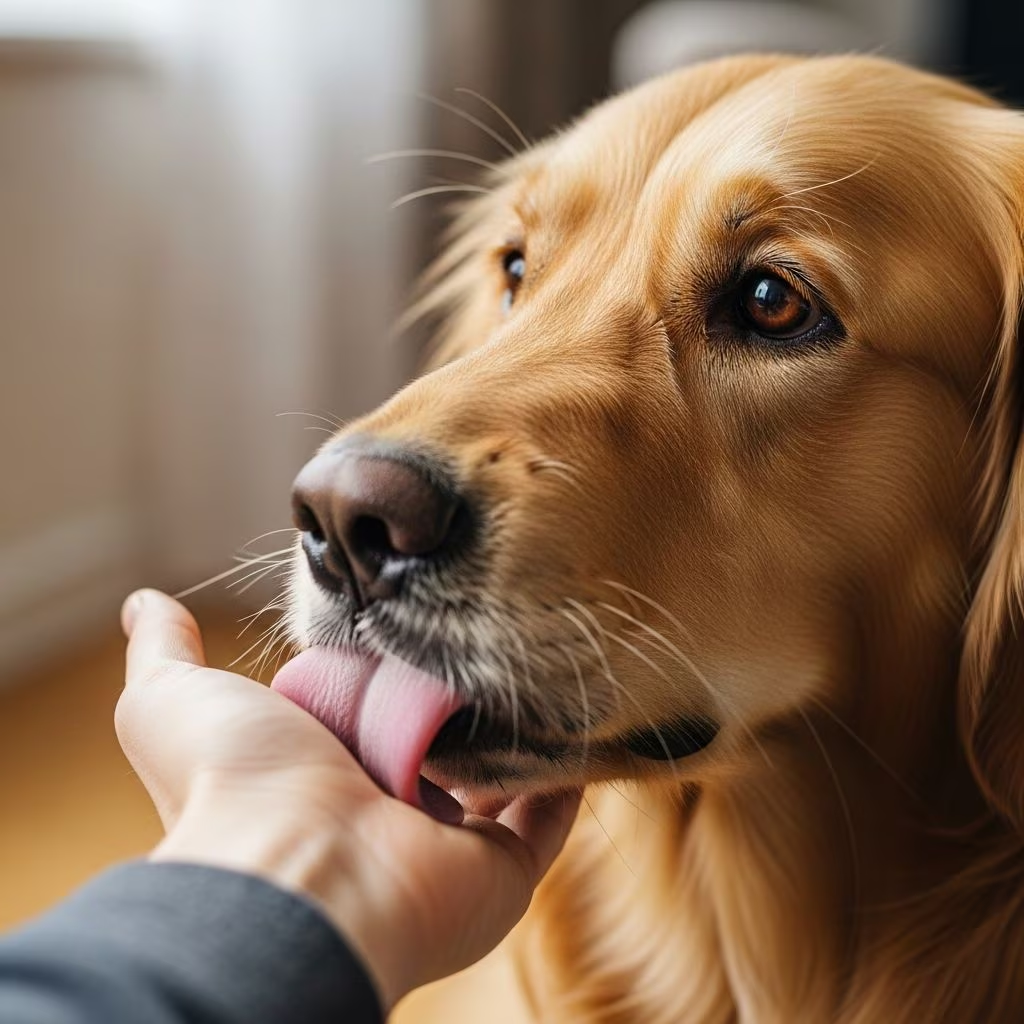
Why Does My Dog Lick Me? Understanding Canine Licking Behavior
If you’re a dog owner, you’ve likely experienced your furry companion showering you with licks. Whether it’s a gentle lick on your hand or enthusiastic face-licking, this behavior is one of the most common ways dogs interact with their human companions. But what does it really mean when your dog licks you? The answer is more complex than you might think, as dog licking serves multiple purposes and can communicate different messages depending on the context and body language of your pet.
The Origins of Licking: A Natural Instinct
Licking is deeply ingrained in a dog’s behavior from birth. Puppies experience licking from their mothers as soon as they are born, when mothers use their tongues to clean them and stimulate blood flow. This early association with comfort, nurturing, and care establishes licking as a natural and soothing activity for dogs. Mothers continue to lick their puppies after feeding to stimulate the urinary and intestinal tracts, helping them urinate and defecate. This foundational experience shapes how dogs perceive licking throughout their lives, making it an instinctive behavior that carries emotional and functional significance.
Even as adults, dogs retain this instinctive licking behavior and use it as a primary way to explore their environment, investigate new objects, and groom themselves. Their rough tongues, covered in tiny structures called papillae, act like miniature brushes, helping them keep their coats clean and maintaining their natural grooming habits.
Communication: What Your Dog Is Trying to Tell You
One of the most important things to understand about dog licking is that it serves as a form of communication. Dogs are highly social creatures and are well-attuned to human behavior. When a dog interacts with you through licking, it’s often done with purpose and intention. According to experts studying canine behavior, licking can communicate many different messages, and understanding these nuances can help you better interpret what your dog is trying to say.
Dogs don’t typically lick indiscriminately or greet every person in the same way. The behavior is disproportionately directed toward people they’re familiar with, which suggests that licking carries social meaning and is used to reinforce relationship bonds within their “pack.” This selective behavior indicates that your dog’s licks are intentional and meaningful rather than random affection.
Affection and Bonding
The most commonly cited reason dogs lick their owners is to express affection. Licking can be seen as a ritualized greeting, similar to how humans hug or kiss their loved ones upon meeting them. When your dog licks you, they may be expressing their love and desire for closeness with you.
The science behind this affectionate licking is fascinating. When a dog licks, endorphins are released in their brain, which make them feel calm, relaxed, and secure. This then leads to a release of dopamine, another neurotransmitter associated with pleasure and motivation. Research has shown that licking, along with other types of “affiliative behaviors,” raises dogs’ levels of oxytocin, a hormone associated with social bonding and positive emotions.
Licking plays an important part of how dogs bond with others, as it’s an instinctive behavior linked to the comfort they felt when their mother licked them as a puppy. Just as it feels nice for us to stroke a dog, it probably feels nice for dogs to lick the ones they love.
Submission and Social Hierarchy
Beyond affection, licking can also communicate submission and respect within a social hierarchy. Among dogs, sometimes one animal will briefly lick another in a show of deference and pre-emptive placation. Puppies more often lick older dogs as a way of saying, “Hey, you’re the boss, and I know you’re the boss.”
With human-dog interactions, the gesture could carry an aspect of appeasement and submission, depending on the situation. If your dog licks you in certain contexts, particularly when you’re in a position of authority or when they’re seeking reassurance, they may be acknowledging your role as the leader of their pack and showing respect for that dynamic.
Dogs often lick each other as a sign of submission, appeasement, or affection. You might observe this behavior when a dog greets a more dominant dog, which demonstrates their understanding of social hierarchy and their role within it.
Seeking Closeness Versus Requesting Distance
Interestingly, the same behavior—licking—can communicate two opposite messages depending on the context. A lick might communicate that your dog is seeking closeness and affection, or they could be communicating the exact opposite: that they want some distance and space.
The “lick to dismiss” is a well-known behavior among canine researchers and trainers that signals a pet is trying to redirect someone or escape unwanted attention. A perfunctory lick or two on the face or hand, coupled with signs of stress like a rigid body, attempts to turn or move away, and visible eye whites are all signs of dismissal over greeting. This is why understanding your dog’s body language is crucial for correctly interpreting their licks.
Many people miss important cues in their dog’s behavior because they tend to pick up really well on cues that a dog is happy while missing cues that dogs are stressed or looking for disengagement.
Curiosity and Flavor
Even the apparently happy licks may be more nuanced than just a dog’s keen hello. Behavior is complicated and often driven by multiple factors. In addition to eager greetings, there could be a component of curiosity or even flavor involved in licking, especially after a dog and its human come together after time apart.
Dogs will lick to taste things, to explore their environment, and they might lick because you’ve come home from a run and you’re very salty. Your dog is gathering information about you through licking, learning about your activities and experiences by tasting and investigating.
Stress Relief and Self-Soothing
Another important function of licking is stress relief. Dogs will repeatedly lick surfaces, objects, or their own paws to self-soothe when they don’t feel well. This behavior is related to animal wound licking and serves as a calming mechanism during times of anxiety or discomfort.
If your furry best friend is licking you, an object, or themselves nonstop, it could be a sign of stress, anxiety, or another behavioral issue such as Obsessive Compulsive Disorder (OCD). Licking is a calming technique for dogs, and they sometimes lick to displace another behavior, such as anxiety. Dogs can develop excessive licking as a coping mechanism for stress or anxiety, which could be triggered by separation anxiety, loud noises, changes in their environment, or even boredom.
The Role of Reinforcement in Licking Behavior
Even if we’re not throwing up lunch for our furry friends to eat, dogs do get something out of licking us. For one, there’s the unintentionally reinforcing feedback of squeals, pets, and writhing that a bout of fervent canine kisses generally induces in a human recipient. We have such strong reactions to licking behavior that this outsized response probably encourages more and future licking.
Dogs are intelligent creatures and quickly learn what behaviors elicit a response from their owners. If your dog discovers that licking gets them attention, even negative attention, they might continue the behavior. This means that your enthusiastic reactions to your dog’s licks may actually be encouraging more licking in the future.
When Licking Becomes a Health Concern
While some licking is normal and healthy, persistent and intense licking can point to underlying medical or behavioral issues that require attention.
Medical Reasons for Excessive Licking
Several physical ailments can lead to increased licking, and it’s essential to consider these possibilities, especially if the licking is sudden or accompanied by other symptoms:
- Gastrointestinal Issues: Nausea, acid reflux, or other digestive discomfort can prompt dogs to lick excessively. They might be trying to soothe their upset stomach or alleviate a feeling of unease.
- Dental Problems: Toothaches, gum disease, or foreign objects lodged in the mouth can cause a dog to lick frequently to relieve the pain or irritation.
- Skin Allergies and Irritations: Itchy skin due to allergies, parasites, or dry skin can lead to relentless licking of the affected areas. Unfortunately, this can exacerbate the problem, leading to secondary infections.
- Pain: Localized pain, whether from an injury or arthritis, can sometimes cause a dog to lick the area to comfort themselves.
- Allergies: Obsessive self-licking can also be a sign of allergies or other health problems.
Behavioral Reasons for Excessive Licking
Beyond physical health concerns, several behavioral factors can contribute to excessive licking:
- Anxiety and Stress: Just like humans might nervously tap their feet or bite their nails, dogs can develop excessive licking as a coping mechanism for stress or anxiety.
- Obsessive-Compulsive Disorder (OCD): In some cases, repetitive licking can escalate into a compulsive behavior similar to OCD in humans. This might manifest as persistent licking of objects, themselves, or even the air. Genetic predispositions and environmental stressors can contribute to the development of canine OCD.
- Attention-Seeking: Dogs quickly learn what behaviors get them attention from their owners and may continue licking if they’ve learned it results in interaction.
Understanding Dog Body Language While Licking
To determine whether your dog is licking out of affection, stress, or other motivations, it’s important to pay attention to their body language. Here are some key indicators:
- A dog bouncing around and wagging their tail while licking another dog is probably showing affection.
- A dog rolling on their back while licking is probably showing submission.
- A dog with a rigid body, attempting to turn or move away, and visible eye whites while licking is probably trying to dismiss or disengage from interaction.
The Science of Dog-Human Social Bonding
Recent research has revealed dogs to be deeply attached to their owners and aware of subtle social cues. An August 2023 study found that dogs were friendlier to strangers who helped their owners on a task than those who didn’t. Dogs are really keyed into what the main humans in their lives are doing and are perhaps a bit more perceptive to social relationships than we previously thought.
If dogs care enough to observe our human-to-human interactions and shift their behavior accordingly, then you can bet that their kisses aren’t without consideration. Your dog’s licking behavior is informed by their observations of your emotions, your relationships with others, and your response to their behavior.
Frequently Asked Questions (FAQs)
Q: Is it normal for my dog to lick me constantly?
A: While some licking is normal, constant licking could indicate stress, anxiety, medical issues, or learned attention-seeking behavior. If your dog’s licking seems excessive or sudden, consult your veterinarian to rule out health problems.
Q: Should I discourage my dog from licking me?
A: Not necessarily. Normal licking is a healthy expression of affection and bonding. However, if it becomes excessive or bothersome, you can redirect the behavior with training or provide alternative ways for your dog to show affection.
Q: What does it mean when my dog licks their own paws?
A: Paw licking can be a sign of self-soothing, grooming, or a symptom of stress, anxiety, allergies, or pain. If your dog is licking their paws excessively, consult your vet to rule out medical issues.
Q: Why does my dog lick me more after I come home?
A: Dogs often lick their owners when they reunite after time apart as a greeting and affection ritual. There’s also a component of curiosity, as your dog is investigating where you’ve been by tasting and smelling you.
Q: Can dog saliva cause health problems for humans?
A: While dog saliva is generally harmless, it can carry bacteria. It’s best to avoid allowing your dog to lick your face, especially if you have open cuts or compromised immune function. Always wash your hands after interaction with your dog.
Q: How can I tell if my dog is stressed versus showing affection when licking?
A: Pay attention to overall body language. Happy licking usually accompanies wagging tails, loose body posture, and engaged behavior. Stressed licking may include rigid body posture, attempts to move away, whale eye (visible whites), or lip licking.
References
- Why do dogs lick humans? — PopSci. Accessed 2026-01-14. https://www.popsci.com/science/why-do-dogs-lick-humans/
- The Science Behind the Slurp: Why Dogs Engage in Excessive Licking — Rear Road Animal Hospital. Accessed 2026-01-14. https://www.rearoadanimalhospital.com/the-science-behind-the-slurp-why-dogs-engage-in-excessive-licking/
- Why do dogs lick humans? — VCA Animal Hospitals. Accessed 2026-01-14. https://vcahospitals.com/shop/articles/why-do-dogs-lick-humans
- Why Do Dogs Lick You? Is This Normal? — Chewy. Accessed 2026-01-14. https://www.chewy.com/education/dog/training-and-behavior/why-do-dogs-lick-you
- Why Is My Dog Licking Me So Much? Here’s What You Need to Know — Kahoots Feed and Pet. Accessed 2026-01-14. https://kahootsfeedandpet.com/blogs/blog/why-is-my-dog-licking-me-so-much-heres-what-you-need-to-know
- Why does my dog lick me so much? — The Kennel Club. Accessed 2026-01-14. https://www.royalkennelclub.com/health-and-dog-care/health-dog-care/health/health-and-care/a-z-of-health-and-care-issues/why-does-my-dog-lick-me-so-much/



