

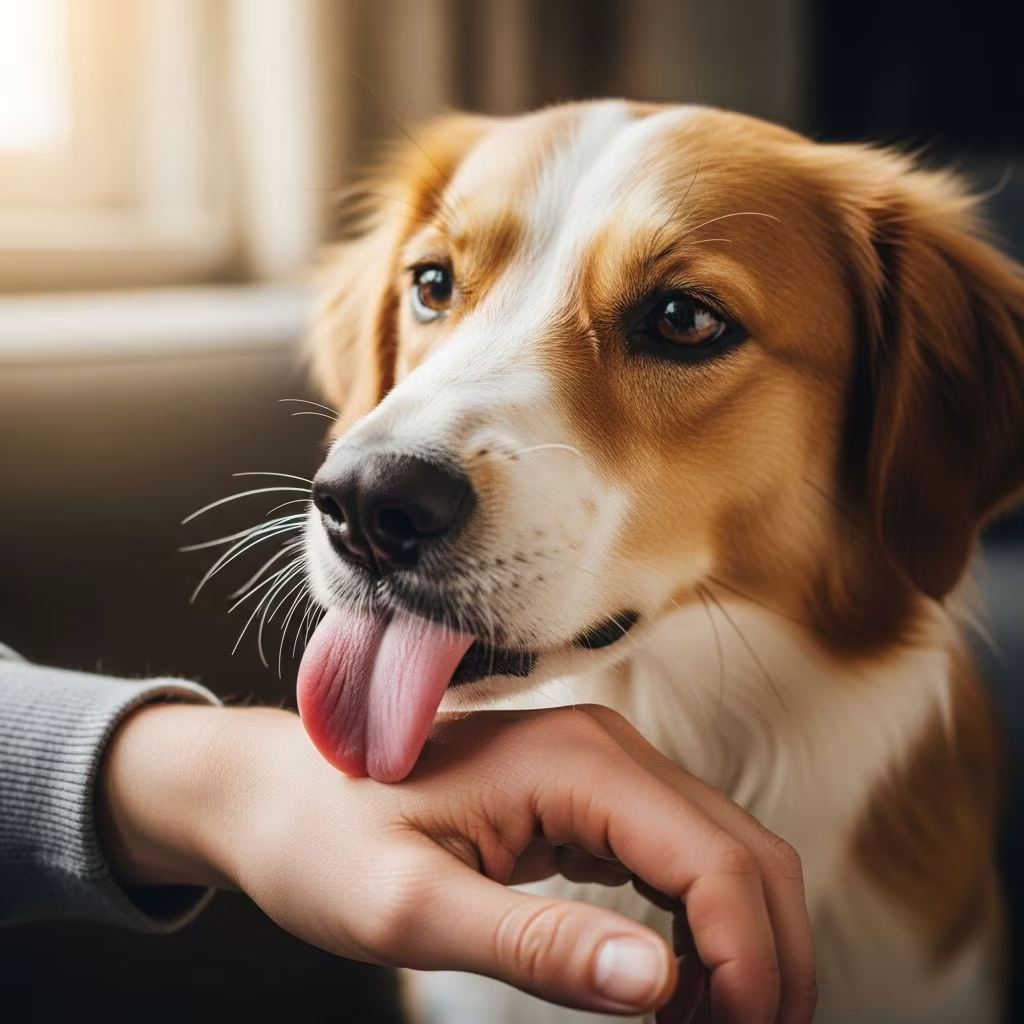
Why Does My Dog Lick Me? Understanding Your Dog’s Behavior
If you’re a dog owner, you’ve likely experienced your furry companion showering you with licks. Whether it’s a quick peck on your hand or an enthusiastic face-licking session, dog licking is one of the most common forms of canine communication. But what does it really mean when your dog licks you? The answer is more complex and nuanced than you might think.
Licking is fundamentally a form of communication in dogs, rooted in their earliest experiences and social behaviors. Understanding the reasons behind this behavior can strengthen your bond with your pet and help you recognize when excessive licking might indicate a problem.
The Origins of Dog Licking: A Natural Instinct
Dog licking behavior begins long before puppies meet their human families. From birth, puppies are licked by their mothers as a crucial part of survival and bonding. This early experience establishes licking as a deeply ingrained behavior associated with nourishment, comfort, and care.
Mother dogs lick their puppies for several important reasons:
- Cleaning newborn puppies immediately after birth
- Stimulating blood circulation in developing puppies
- Promoting proper urinary and intestinal function
- Establishing an early bonding experience
As puppies grow, they learn that licking is an effective way to interact with their environment and other animals. Even as adult dogs, this natural instinct remains powerful, making licking a primary method for exploring, investigating, and communicating with their surroundings.
The Science Behind Dog Licking
When your dog licks you, remarkable neurochemical processes occur in their brain. Licking triggers the release of endorphins, neurotransmitters that create feelings of calm, relaxation, and security. These endorphins then lead to a release of dopamine, another neurotransmitter associated with pleasure and reward.
This physiological response explains why licking is so satisfying for dogs. Beyond the chemical rewards, licking also serves practical sensory functions. Dogs have relatively few taste buds compared to humans, so they rely heavily on their sense of smell when investigating the world. When your dog licks you, they’re simultaneously tasting and smelling, gathering crucial information about you and your environment.
What Your Dog’s Licking Means: The Communication Factor
The motivations behind dog licking are varied and context-dependent. According to behavioral experts, licking communicates multiple messages depending on the situation and the dog’s demeanor. Here are the primary reasons your dog might be licking you:
Showing Affection and Bonding
One of the most common reasons dogs lick their owners is to express affection. When a dog licks you in a relaxed context—such as when you’re sitting together peacefully—they’re often demonstrating their emotional attachment and attempting to strengthen your bond. Dogs recognize their owners as important members of their social group and use licking as a way to reinforce these relationships.
Seeking Attention
Dogs are intelligent creatures that quickly learn cause-and-effect relationships with their owners. If your dog has discovered that licking prompts you to laugh, pet them, or engage with them, they may repeat the behavior specifically to gain your attention. Even negative attention—such as pushing them away—can reinforce licking behavior if the dog interprets it as interaction.
Submission and Appeasement
In the canine social hierarchy, licking can signal deference and respect. Puppies frequently lick older, more dominant dogs as a way of saying, “I recognize your position of authority”. When your dog licks you, particularly in combination with other submissive body language like lowered ears or a tucked tail, they may be communicating respect and peaceful intentions.
Curiosity and Sensory Exploration
Your dog’s nose is far more sensitive than you might realize. When your dog licks you, especially after you’ve been away, they’re using licking as an investigative tool. They may be curious about where you’ve been, what you’ve eaten, or other environmental scents clinging to your skin. The salt from your skin, sweat from exercise, or food residue around your mouth all provide interesting sensory information for your canine companion.
Stress Relief and Self-Soothing
Licking serves as a calming mechanism for anxious dogs. When dogs feel stressed, anxious, or uncertain, they may engage in licking behavior to soothe themselves. The endorphin release associated with licking helps them manage difficult emotions and find comfort during challenging situations. This behavior is related to how dogs lick their own paws or surfaces when experiencing discomfort or illness.
When Licking Is Normal vs. When It’s Excessive
While occasional licking is a completely normal and healthy part of dog behavior, excessive or obsessive licking can indicate underlying concerns. It’s important to distinguish between affectionate licking and problematic behaviors that warrant veterinary or behavioral attention.
Signs of Normal Dog Licking
- Occasional face licks during greeting or bonding moments
- Brief licks during play or excitement
- Gentle licking during relaxed interactions
- Context-appropriate licking that stops when redirected
Warning Signs of Excessive Licking
- Persistent, repetitive licking that doesn’t stop when redirected
- Licking accompanied by signs of anxiety or stress
- Licking that appears compulsive or obsessive in nature
- Sudden changes in licking frequency or intensity
- Licking combined with other behavioral changes or physical symptoms
Health and Behavioral Issues Associated with Excessive Licking
When licking becomes excessive, it may indicate underlying health or behavioral problems that require professional attention.
Behavioral Causes of Excessive Licking
Anxiety and Stress: Dogs experiencing separation anxiety, exposure to loud noises, environmental changes, or boredom may develop excessive licking as a coping mechanism. The temporary calm provided by endorphin release makes this behavior self-reinforcing.
Obsessive-Compulsive Disorder (OCD): In some cases, repetitive licking can escalate into compulsive behavior similar to OCD in humans. Dogs may lick objects, themselves, or even the air in a seemingly uncontrollable manner. Genetic predispositions and environmental stressors can contribute to canine OCD development.
Attention-Seeking Behavior: Dogs quickly learn that certain behaviors elicit responses from their owners. If licking consistently results in attention, interaction, or even scolding, your dog may continue or intensify the behavior.
Physical Health Issues Associated with Excessive Licking
Gastrointestinal Issues: Nausea, acid reflux, or digestive discomfort can prompt excessive licking. Dogs may attempt to soothe their upset stomachs or alleviate feelings of unease through this behavior.
Dental Problems: Toothaches, gum disease, or foreign objects in the mouth can cause frequent licking as your dog tries to relieve pain or irritation.
Skin Conditions: Allergies, parasites, dry skin, or other dermatological issues can lead to relentless licking of affected areas. Unfortunately, excessive licking can worsen the problem by causing secondary infections.
Pain and Injury: Localized pain from injuries, arthritis, or other medical conditions sometimes manifests as licking at the affected area.
The Reinforcement Cycle: How Your Response Affects Your Dog’s Behavior
One crucial factor in dog licking behavior is your response to it. Dogs are highly attentive to their owners’ reactions, and they quickly learn which behaviors elicit strong responses. When your dog licks you, your natural reaction—squealing, laughing, petting, or other enthusiastic responses—may reinforce and encourage continued licking.
This creates a reinforcement cycle: your dog licks, you respond enthusiastically, your dog learns that licking produces the desired interaction, and the behavior continues or intensifies. Understanding this dynamic can help you manage unwanted licking behaviors more effectively.
Managing and Redirecting Excessive Licking
If your dog’s licking has become excessive or problematic, several strategies can help:
- Withdraw attention silently and completely when your dog engages in excessive licking, providing no positive or negative reinforcement
- Redirect licking behaviors toward appropriate activities like toys or treats
- Ensure your dog receives adequate physical exercise and mental stimulation
- Consult with a veterinarian to rule out underlying health issues
- Work with a professional dog trainer or behaviorist if the licking appears compulsive or anxiety-related
- Create a calm environment and establish consistent routines to reduce stress and anxiety
The Deeper Meaning: What Research Reveals About Dog Attachment
Recent research has demonstrated that dogs are far more perceptive of human social dynamics than previously understood. Studies show that dogs observe and respond to interactions between humans, showing preference for people who help their owners and wariness toward those who don’t. This suggests that your dog’s licking isn’t a mindless habit but rather a thoughtful form of interaction rooted in genuine attachment and awareness of your emotional state.
Your dog’s licks are not without consideration or calculation—they reflect a sophisticated understanding of your relationship and their role within your social structure.
Frequently Asked Questions (FAQs)
Q: Is it safe to let my dog lick my face?
A: While occasional face licking from a healthy dog is generally considered safe, it’s prudent to maintain basic hygiene practices. Dogs can carry bacteria in their mouths, so consider gently redirecting intense face licking to other areas. Always ensure your dog is up-to-date on vaccinations and parasite prevention.
Q: Why does my dog lick me more than other family members?
A: Dogs often direct licking behaviors toward familiar people they have strong bonds with. Your dog may lick you more frequently because you spend more time together, provide their food, or have established a particular interactive pattern. This doesn’t necessarily indicate less affection for other family members—just a different relationship dynamic.
Q: What should I do if my dog’s licking suddenly increases?
A: Sudden changes in licking frequency or intensity warrant veterinary attention. Schedule a checkup to rule out medical issues like allergies, dental problems, or gastrointestinal distress. If medical causes are excluded, consult a behaviorist about potential anxiety or environmental changes.
Q: Can excessive licking cause skin problems?
A: Yes, repetitive licking of the same areas can cause irritation, hair loss, and secondary infections. If your dog obsessively licks specific body parts, consult your veterinarian to identify and address the underlying cause.
Q: How can I tell if my dog is licking to communicate dismissal rather than affection?
A: Dogs communicating dismissal typically show accompanying stress signals including rigid body posture, attempts to turn or move away, visible eye whites, and overall tension. Affectionate licks usually occur in relaxed contexts with soft body language and a calm demeanor.
Q: Is licking a sign that my dog respects me?
A: Licking can indicate respect and submission, particularly when combined with other submissive body language. However, licking alone doesn’t determine the entire nature of your relationship. Dogs show respect through multiple behaviors and consistent training.
References
- Why do dogs lick humans? It could be a sign of affection — Popular Science. 2023. https://www.popsci.com/science/why-do-dogs-lick-humans/
- The Science Behind the Slurp: Why Dogs Engage in Excessive Licking — Rear Road Animal Hospital. https://www.rearoadanimalhospital.com/the-science-behind-the-slurp-why-dogs-engage-in-excessive-licking/
- Why Do Dogs Lick You? — PetMD. https://www.petmd.com/dog/behavior/why-do-dogs-lick-you
- Why do dogs lick humans? — VCA Animal Hospitals. https://vcahospitals.com/shop/articles/why-do-dogs-lick-humans
- Why Do Dogs Lick You? Is This Normal? — Chewy. https://www.chewy.com/education/dog/training-and-behavior/why-do-dogs-lick-you



