

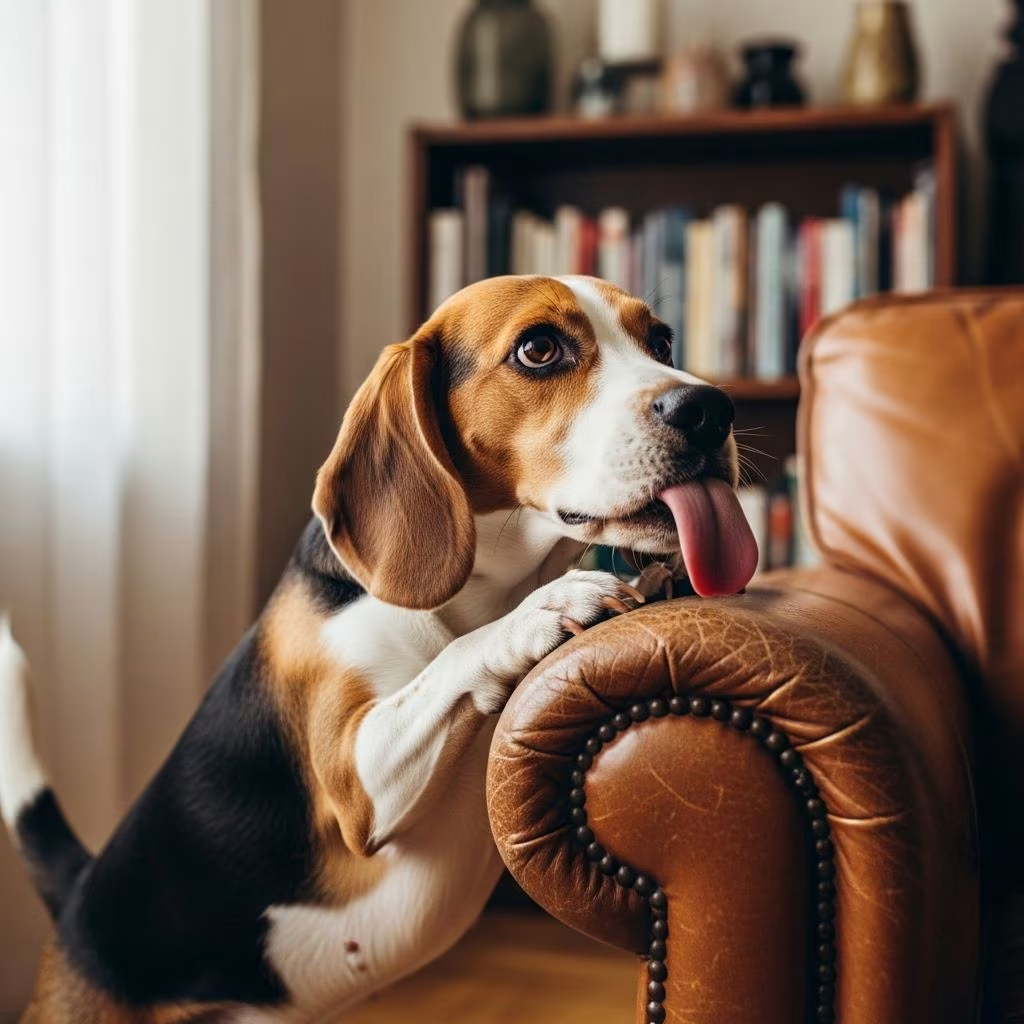
Dogs lick for many reasons, from natural instincts like grooming and exploration to signs of stress, affection, or underlying health problems. While occasional licking is normal, excessive licking of objects, people, themselves, or surfaces like floors and furniture can indicate behavioral or medical issues requiring attention.
Is It Normal for Dogs to Lick Things?
Licking is a fundamental canine behavior rooted in puppyhood. Puppies lick their mother’s face for nourishment and comfort, establishing licking as a soothing activity. Adult dogs use their tongues to explore the world, tasting scents and textures, and to maintain hygiene with their rough, papillae-covered tongues acting like natural brushes.
Normal licking includes self-grooming after meals or walks, greeting owners with affectionate licks, or investigating new objects. However, when it becomes obsessive—such as constantly licking floors, walls, paws, or air—it shifts from instinctual to potentially problematic.
Normal Reasons Dogs Lick
- Affection and Bonding: Dogs lick people and other dogs to show love, mimicking puppy-mother interactions. Gentle licks without aggression signal trust and endearment.
- Grooming and Hygiene: Self-licking keeps coats clean and removes debris. Focused licking on paws or belly post-walk is typical hygiene.
- Sensory Exploration: Tongues help dogs ‘taste’ their environment, gathering chemical information from surfaces and objects.
- Taste and Appetite: Salty skin, food residues on floors, or appealing scents draw licks for flavor.
Behavioral Reasons for Excessive Licking
Excessive licking often stems from emotional or learned behaviors. Dogs are smart and repeat actions that yield results, like attention.
Anxiety and Stress
Like humans biting nails, dogs lick to self-soothe under stress. Triggers include separation anxiety, loud noises, routine changes, or boredom. Licking releases endorphins for temporary calm, but chronic cases form habits hard to break.
- Signs: Licking intensifies when alone or during thunderstorms.
- Solutions: Positive reinforcement training, calming aids, exercise, and environmental enrichment reduce triggers.
Attention-Seeking
If licking prompts owner reactions—even scolding—dogs continue for interaction. Ignoring the behavior extinguishes it, as dogs seek any attention.
Obsessive-Compulsive Disorder (OCD)
Canine OCD involves repetitive, non-functional licking of objects, self, or air. Genetic factors and stressors contribute; breeds like Dobermans or Labs may be prone. Professional behaviorists use medication and training for management.
Medical Causes of Excessive Licking
Rule out health issues first, as physical discomfort drives licking. Sudden onset with symptoms like redness, hair loss, or appetite changes warrants a vet visit.
| Cause | Symptoms | Treatment |
|---|---|---|
| Allergies | Itchy skin, paw licking, redness, scratching; environmental (pollen, dust), food, or flea-related. | Hypoallergenic diets, antihistamines, medicated shampoos (e.g., for atopy like Zenrelia), avoid allergens. |
| Gastrointestinal Issues | Air/floor licking, nausea, drooling, vomiting, appetite loss. | Dietary changes, anti-nausea meds, vet diagnostics. |
| Dental Problems | Lip/mouth licking, bad breath, drooling. | Dental cleaning, extractions, pain relief. |
| Skin Infections/Pain | Hot/red skin, pustules, odor, injury licking. | Topical antibiotics, cytology tests, wound care. |
| Anal Gland/UTI Issues | Genital/rectal licking, straining, frequent urination. | Expression, antibiotics, dietary fiber. |
Neurological issues or pain from arthritis may also cause licking, often with other signs like disorientation or limping.
When to Worry About Dog Licking
Monitor for:
- Hair loss, wounds, or infections from over-licking.
- Behavioral changes: lethargy, aggression, or disrupted routines.
- Sudden increase or specific-site focus (e.g., joints, privates).
- Accompanying symptoms: vomiting, diarrhea, weight loss.
If present, consult a vet promptly to differentiate behavioral from medical causes.
How to Stop Excessive Licking in Dogs
- Vet Check: Bloodwork, skin scrapes, or allergy tests rule out medical issues first.
- Environmental Management: Remove triggers—clean surfaces, use bitter sprays on licked spots, provide puzzle toys for boredom.
- Training: Ignore attention-seeking licks; reward calm behavior. Use commands like “leave it.”
- Enrichment: Increase exercise (30-60 min daily walks/runs), mental stimulation to combat anxiety.
- Supplements/Meds: Calming chews, CBD (vet-approved), or anti-anxiety prescriptions for OCD.
- Professional Help: Behaviorists for persistent cases.
Frequently Asked Questions (FAQs)
Why does my dog lick the floor or couch constantly?
Dogs lick surfaces for tastes, scents, or to soothe nausea/stress. Compulsive cases may signal GI issues or anxiety—vet check recommended.
Is excessive licking a sign of anxiety?
Yes, often. Stress triggers endorphin-releasing licks; identify changes like new homes or fireworks.
Why does my dog lick their paws excessively?
Commonly allergies, injuries, or boredom. Redness suggests atopy or infections.
Can food allergies cause licking?
Absolutely—proteins like beef/chicken trigger year-round itching, treated with novel protein diets.
How do I know if it’s behavioral or medical?
Vet exam first: no underlying issues mean behavioral. Track patterns and symptoms.
Preventing Excessive Licking
Proactive steps include balanced diets, regular grooming, flea prevention, dental care, and routine vet visits. Mental/physical stimulation prevents boredom-driven habits. Early intervention stops mild licking from escalating.
Understanding your dog’s licks fosters better bonding and health. Most cases resolve with simple changes, but persistence demands professional input.
References
- The Science Behind the Slurp: Why Dogs Engage in Excessive Licking — Rea Road Animal Hospital. 2023. https://www.rearoadanimalhospital.com/the-science-behind-the-slurp-why-dogs-engage-in-excessive-licking/
- Dog Licking Excessively? 12 Reasons & When to See a Vet — Caring Hands Vet. 2024. https://caringhandsvet.com/12-reasons-dogs-lick-excessively-and-when-to-be-concerned/
- Is It Normal? Why Dogs Engage in Excessive Licking Constantly — Riverbend Pet. 2023. https://www.riverbendpet.com/reasons-dogs-excessive-licking/
- Why Dogs Lick Their Privates — VCA Animal Hospitals. 2025. https://vcahospitals.com/know-your-pet/why-dogs-lick-their-privates
- Excessive Licking, Chewing, and Grooming in Dogs — PetMD. 2024. https://www.petmd.com/dog/general-health/excessive-licking-chewing-and-grooming-dogs



