

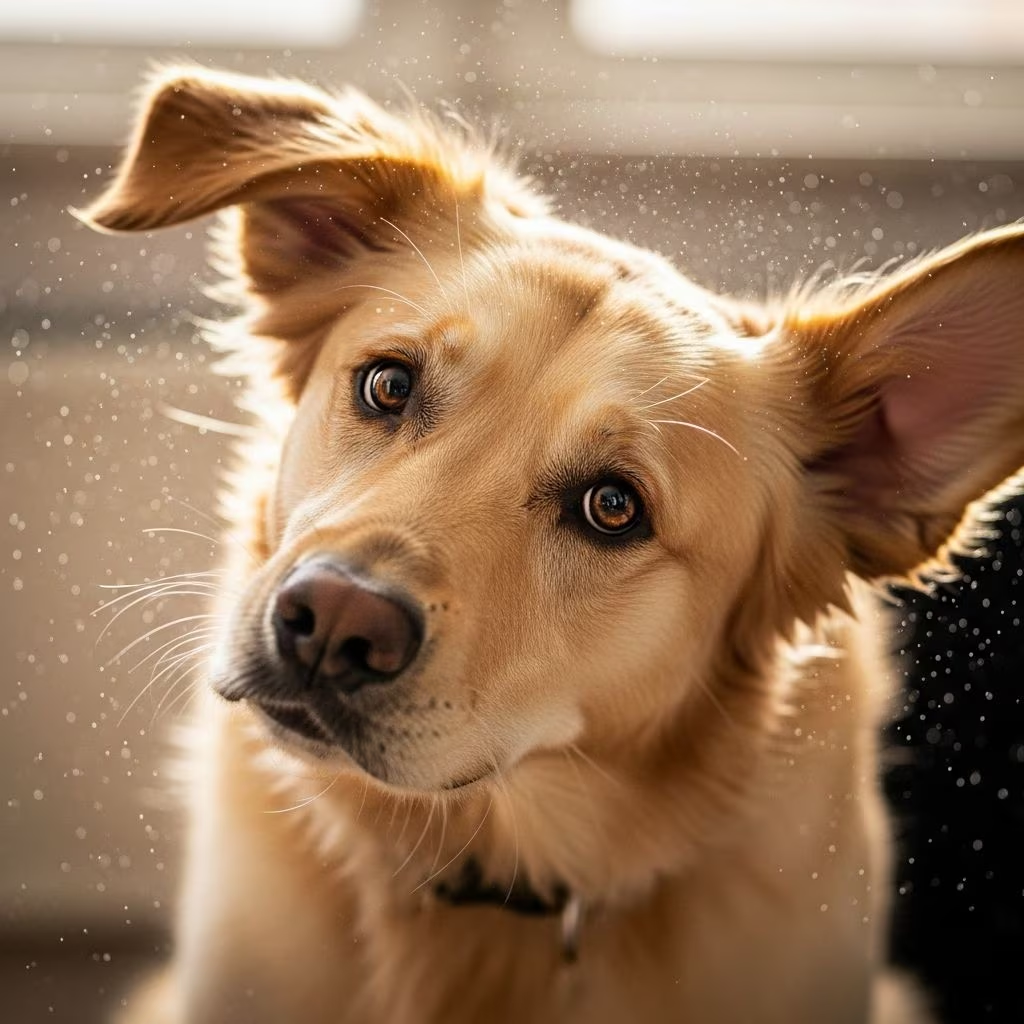
Dogs shake their heads for various reasons, most commonly to relieve irritation in the ears caused by infections, allergies, water, or foreign objects. While occasional shaking is normal, persistent or excessive head shaking often indicates an underlying health issue requiring veterinary attention.
Normal vs. Abnormal Head Shaking
Dogs naturally shake their heads to dislodge water after swimming, remove dirt, or clear insects from their ears. This voluntary action is quick and purposeful. However, if the shaking becomes frequent, intense, or accompanied by other symptoms like whining, pawing at ears, head tilting, or discharge, it signals discomfort or illness.
Distinguishing between normal and abnormal is crucial: voluntary head shaking stops once the irritant is gone, while abnormal shaking persists due to ongoing issues like infections or neurological problems.
Common Causes of Head Shaking in Dogs
Several factors can trigger head shaking. Understanding these helps pet owners identify when professional help is needed.
Ear Infections (Bacterial or Yeast)
Ear infections are the most common cause of excessive head shaking. Bacterial or yeast overgrowth leads to itching, inflammation, redness, swelling, and foul-smelling discharge. Dogs shake vigorously to alleviate the discomfort.
Symptoms include:
- Redness or swelling in the ear canal
- Dark, waxy, or yeasty-smelling discharge
- Pawing or rubbing at ears
- Sensitivity to touch
Floppy-eared breeds like Cocker Spaniels and Labradors are prone due to poor ear ventilation.
Ear Mites and Parasites
Ear mites (Otodectes cynotis) cause dark, coffee-ground-like debris and intense itching, prompting head shaking. Harvest mites or fleas can also infest ears, especially in dogs exercising in grassy areas or living with cats.
Check for tiny red dots at the ear base or crusty debris. These are less common in adults but treatable with topical or oral medications.
Allergies
Food or environmental allergies (pollen, dust mites) cause itchy ears and skin. Dogs may shake heads, lick paws, chew feet, or rub faces. Recurrent infections often stem from untreated allergies.
Breeds like French Bulldogs and Retrievers are susceptible. Diagnosis involves elimination diets or allergy testing.
Foreign Objects
Grass awns, seeds, burrs, or insects lodge in ear canals during outdoor play, causing sharp irritation and unilateral shaking.
Symptoms: Sudden onset, one-sided shaking, possible yelping. Vets use otoscopes to remove objects safely.
Water in the Ears
Post-swim or bath, trapped water leads to temporary shaking. Chronic cases in frequent swimmers can predispose to infections. Dry ears thoroughly with absorbent towels or vet-recommended cleaners.
Serious Causes: When Head Shaking Signals More
While common issues are treatable, some causes demand urgent care.
Aural Hematomas
Vigorous shaking from any irritation can rupture ear flap blood vessels, forming fluid-filled swellings (hematomas). Painful and prone to infection, they require surgical drainage.
Polyps and Growths
Benign nasal polyps or tumors in the ear canal cause chronic shaking, especially in older dogs. Nasal discharge or bleeding accompanies ear issues.
Neurological Disorders and Head Tremors
Head tremors mimic shaking but are involuntary, rhythmic (yes/no motions), and idiopathic (unknown cause) in breeds like Bulldogs. Unlike voluntary shaking, tremors persist during sleep or distraction.
Other neuro issues: Vestibular disease (balance loss, head tilt), canine distemper (vaccinated dogs rarely affected), or shaker syndrome (generalized tremors).
| Head Shaking | Head Tremors |
|---|---|
| Voluntary, vigorous | Involuntary, rhythmic |
| Triggered by irritation | Idiopathic or neuro |
| Stops with distraction | Continues |
| Ear-focused | Often whole head/body |
Inflammatory and Autoimmune Diseases
Conditions like pemphigus cause crusts, ulcers, and itching beyond ears. Biopsy confirms diagnosis.
How to Check Your Dog’s Ears at Home
Safe inspection aids early detection:
- Gently lift ear flaps; note odor, discharge, redness.
- Check for swelling, heat, or debris.
- Observe if one or both ears affected.
- Examine mouth, nose, paws for related symptoms.
Avoid deep probing to prevent injury. Use a flashlight for visibility.
When to See a Vet
Seek immediate care if:
- Shaking persists >24 hours
- Accompanied by lethargy, appetite loss, balance issues
- Head tilt, circling, seizures, or facial swelling
- Bleeding, foul odor, or pain vocalization
Delays worsen infections or cause hematomas.
Diagnosis and Treatment
Vets perform:
- Otoscopy for visuals/cultures
- Cytology for infections/parasites
- Allergy/food trials
- Imaging for neuro/polyps
Treatments: Topical/oral antibiotics, antifungals, mite killers, anti-inflammatories, surgery for hematomas/growths. Prevent recurrence with ear cleaners, allergy management.
Prevention Tips
- Dry ears after water exposure
- Clean weekly with vet-approved solutions
- Manage allergies via diet/hypoallergenic shampoos
- Regular grooming for floppy ears
- Parasite preventives year-round
- Supervise outdoor play
Frequently Asked Questions (FAQs)
Why is my dog shaking their head but no ear discharge?
Could be early allergy, foreign object, mites, or dry skin. Early vet exam prevents progression.
Is head shaking always an ear problem?
No, but 90% are. Rule out neuro, dental, or nasal issues.
How long before vet for head shaking?
Within 24-48 hours if mild; immediately if with other symptoms.
Can I treat ear infections at home?
No, improper treatment worsens resistance. Vets prescribe targeted meds.
Do breeds affect head shaking risk?
Yes, floppy-eared or allergy-prone breeds like Spaniels, Labs.
References
- Dog Head Shaking: Causes and What to Do — SEVN Neurology. 2023-05-31. https://sevneurology.com/blog/dog-head-shaking
- Head Shaking in Dogs: When to Worry — St. Louis Animal Emergency Clinic. 2023-05-31. https://www.stlouisanimalemergencyclinic.org/site/blog/2023/05/31/head-shaking-dogs
- Head shaking in dogs — Joii Pet Care. Accessed 2026. https://www.joiipetcare.com/blogs/health-symptoms/head-shaking-in-dogs
- Dog Shaking Head? Here’s When To Worry — PetMD. Accessed 2026. https://www.petmd.com/dog/symptoms/dog-shaking-head
- HEAD TREMORS IN DOGS: WHAT YOU NEED TO KNOW — VetNeuroChesapeake. Accessed 2026. https://www.vetneurochesapeake.com/vnioc-blog/head-tremors-in-dogs
- Shaker Syndrome in Dogs — VCA Animal Hospitals. Accessed 2026. https://vcahospitals.com/know-your-pet/shaker-syndrome-in-dogs



