

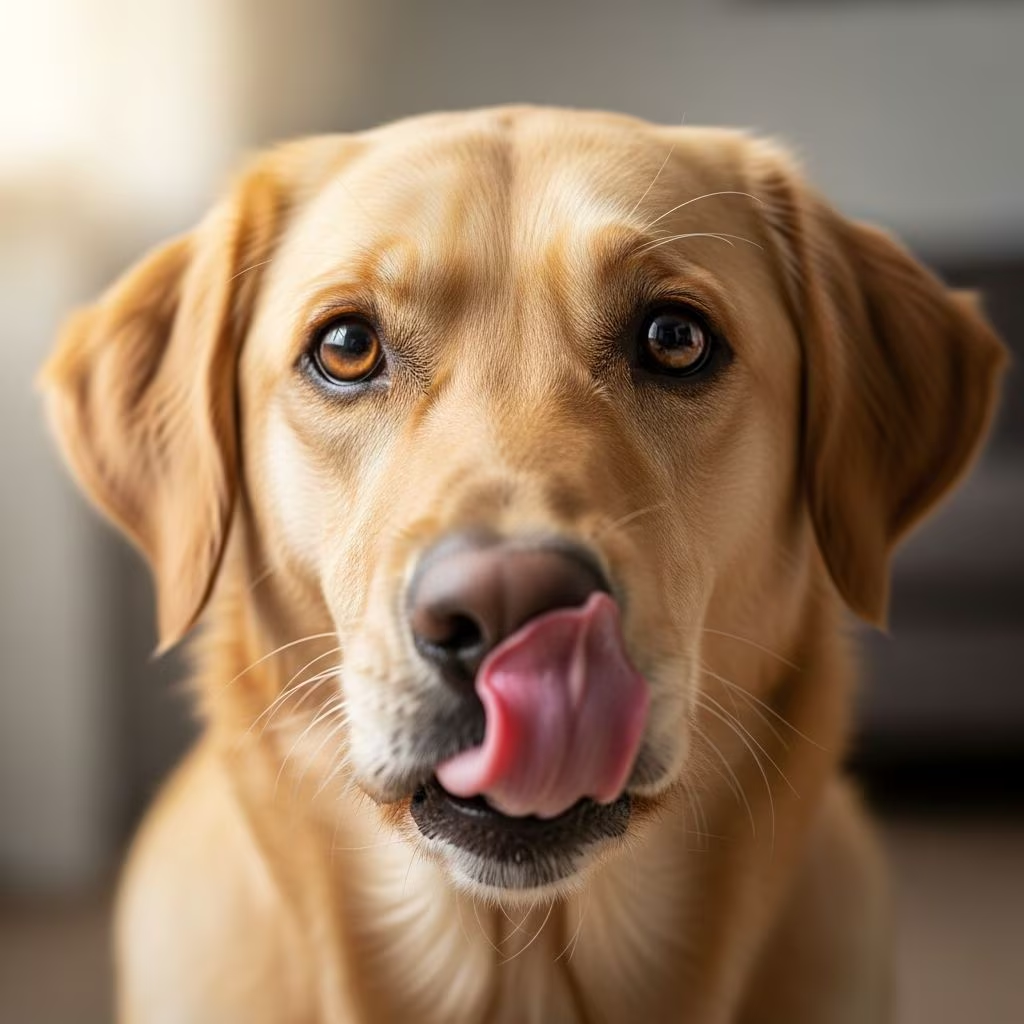
Dogs frequently lick their lips as a normal part of communication or response to stimuli, but **excessive lip licking** often indicates underlying issues ranging from behavioral to medical. Understanding the context helps pet owners distinguish benign habits from signs needing veterinary attention.
Normal Reasons Dogs Lick Their Lips
Lip licking serves practical and social purposes in healthy dogs. It redistributes saliva, cleans the mouth, or signals emotions without harm.
- Anticipation of food: Dogs lick lips when smelling food, as salivary glands activate, producing excess saliva they manage by licking. This reward response stimulates the brain similarly to other pleasures.
- Normal grooming or dryness: A quick lick removes debris, bugs, or moisture from lips, especially after eating or in dry conditions.
- Appeasement gesture: In social settings, lip licking calms tense situations, akin to a canine smile during interactions with owners or other dogs.
These behaviors are brief and context-specific, resolving quickly without other symptoms.
Behavioral Reasons for Excessive Lip Licking
Stress and anxiety trigger **lip licking as a calming signal** (also called displacement behavior). Dogs use it to self-soothe when overwhelmed.
- Anxiety or fear: Common in threatening situations, like vet visits, loud noises, or confrontations. Paired with yawning, whale eye (whites showing), or tucked tail.
- Stress response: Fight-or-flight mode reduces saliva (dry mouth) or increases it, prompting licks. Maternal grooming instincts also play a role in soothing.
- Car sickness or overstimulation: Motion triggers nausea-like stress, leading to repeated licking.
Observe body language: relaxed posture suggests normalcy; tense muscles indicate distress. Training and desensitization reduce behavioral licking.
Medical Causes of Lip Licking in Dogs
When lip licking persists, medical issues are likely. **Nausea** tops the list, with hypersalivation preceding vomiting. A study found gastrointestinal abnormalities in 14 of 19 dogs with excessive licking.
Dehydration and Dry Mouth
Dry, sticky gums from heat, exercise, or illness cause lip smacking. Check skin elasticity: pinched skin should snap back quickly.
- Symptoms: Sunken eyes, lethargy, dark urine.
- Treatment: Offer water; severe cases need IV fluids.
Dental and Oral Issues
**Periodontal disease** affects most dogs over age 3, with plaque causing gum inflammation, bad breath, and pain-induced licking.
- Signs: Red/swollen gums, yelping, drooling, loose teeth.
- Other causes: Foreign objects (foxtails), rotting teeth, abscesses.
Vets recommend cleanings; home brushing prevents buildup.
Gastrointestinal Problems
Acid reflux, delayed gastric emptying, or food intolerances irritate the esophagus, boosting saliva to neutralize acid.
| Condition | Symptoms | Common Triggers |
|---|---|---|
| Acid Reflux | Regurgitation, swallowing, lip licking | Stress, poor sphincter function |
| Nausea/GI Upset | Lethargy, appetite loss, grass-eating | Pancreatitis, Giardia, IBS |
| Bloat/GDV | Distended abdomen, retching (emergency) | Large breeds post-meal |
Other Health Issues
- Allergies: Food/environmental triggers cause itching, paw licking alongside lips.
- Systemic diseases: Kidney/liver failure, infections lead to nausea.
- Salivary gland problems: Swelling or blockages cause excess drool.
When to See a Vet for Lip Licking
Consult a vet if licking lasts >24 hours or accompanies:
- Vomiting, diarrhea, blood in stool.
- Appetite/behavior changes, weight loss.
- Pain signs: pawing mouth, head shaking.
- Dehydration or neurological symptoms.
Early intervention prevents complications like tooth loss or organ damage.
How to Stop Excessive Lip Licking
- Behavioral: Reduce stressors; use puzzle toys, training for confidence.
- Dental care: Brush teeth daily, vet-approved chews.
- Diet: Feed smaller meals; hypoallergenic food for GI issues.
- Home remedies: Hydrate, monitor for patterns; avoid grass if nauseous.
Never self-medicate; professional diagnosis is key.
Frequently Asked Questions (FAQs)
Is lip licking always a sign of nausea in dogs?
No, it can be normal (e.g., hunger) or stress-related, but persistent cases often link to GI issues.
Why does my dog lick lips after eating?
Excess saliva from food anticipation or cleaning remnants; usually harmless unless constant.
Can dental disease cause constant lip licking?
Yes, pain from tartar, infections prompts licking; check for bad breath, bleeding gums.
Is excessive lip licking an emergency?
If with bloat symptoms (swollen belly, restlessness), yes—seek immediate care.
How to check dehydration in dogs?
Lift lip: gums should be moist, pink; skin tent test for elasticity.
References
- Why Is My Dog Licking Their Lips Constantly? — Native Pet. 2023-06-15. https://nativepet.com/blogs/health/dog-licking-lips
- Why is My Dog Licking His Lips? — My Pet Nutritionist. 2023-08-20. https://mypetnutritionist.com/post/why-is-my-dog-licking-his-lips/
- Is Your Dog Licking Their Lips? This Could Be Why — PetPlace.com. 2024-02-10. https://www.petplace.com/article/dogs/pet-health/dog-health/is-your-dog-licking-his-lips-this-could-be-why
- Dog Keeps Licking Lips: 10 Causes — ToeGrips. 2023-11-05. https://toegrips.com/dog-keeps-licking-lips/
- 10 Reasons Your Dog Might Be Licking Their Lips — Neater Pets. 2024-01-12. https://neaterpets.com/blogs/news/10-reasons-dog-licking-lips
- 10 Reasons Why Your Dog Keeps Licking Their Lips — PetHelpful. 2023-05-18. https://pethelpful.com/dogs/why-dogs-sometimes-lick-their-lips-excessively



