

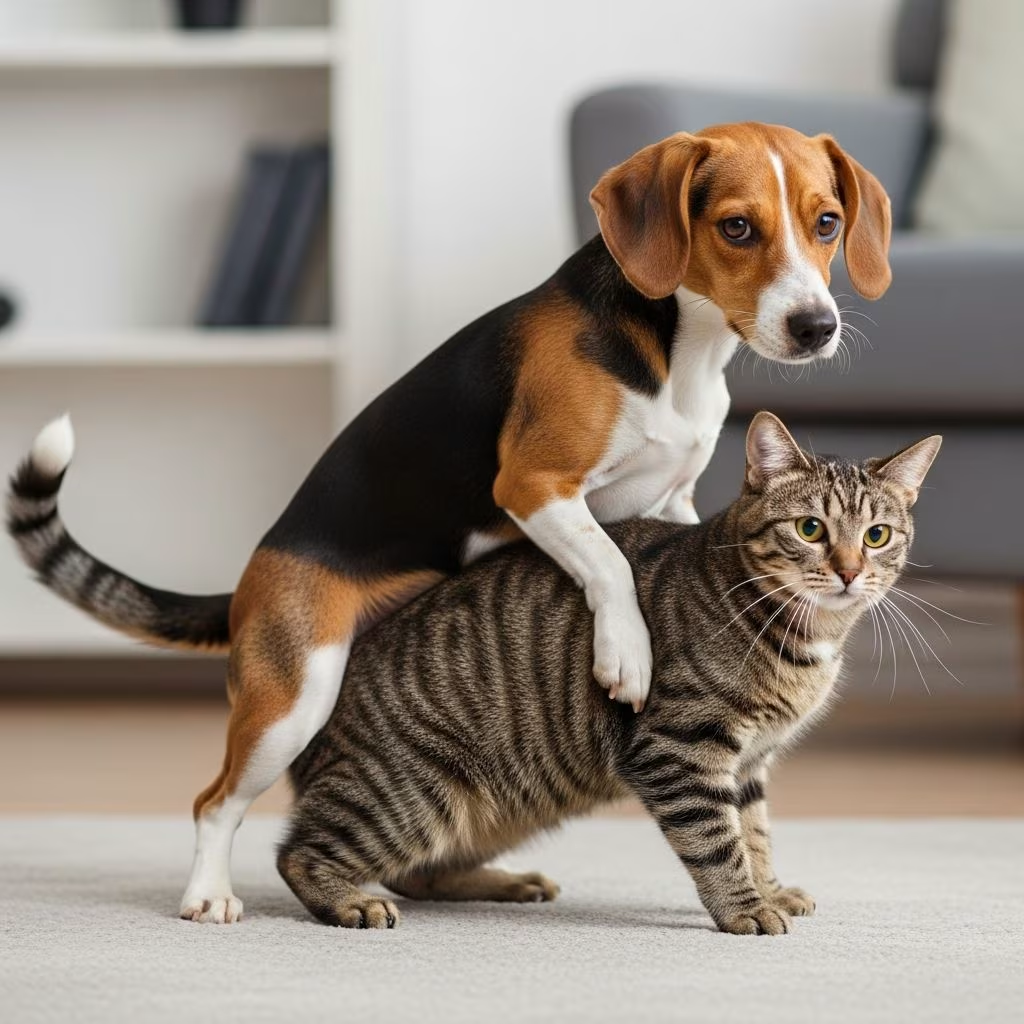
Why Does My Dog Hump My Cat? Understanding Canine Behavior
If you have both dogs and cats at home, you may have witnessed your dog mounting your cat and wondered what this behavior means. While it can be unsettling to watch, dog humping is typically not about sexual behavior—especially if your dog is neutered. Instead, this mounting behavior often stems from normal canine social communication, dominance assertion, overexcitement during play, stress relief, or attention-seeking. Understanding the reasons behind this behavior is essential for managing interactions between your pets and maintaining a peaceful multi-species household.
Common Reasons Dogs Hump Cats
1. Social Dominance and Communication
In the animal world, mounting serves as a way to establish rank within a social group. While domesticated dogs and cats don’t naturally form hierarchical packs like wolves, they still use instinctive behaviors to navigate relationships with one another. A dog may mount a cat to assert dominance, particularly if the cat is passive or avoids confrontation. This behavior doesn’t necessarily indicate aggression; rather, it’s about setting boundaries and understanding roles within the home.
For example, a confident dog might mount a new cat in the household to signal leadership. Conversely, a submissive dog might also hump when anxious, using the action as a displacement behavior to cope with stress. It’s important to note that mounting is usually not a sign of dominance—this is a common myth among pet owners.
2. Excitement and Play Behavior
Dogs often become overly excited during play, and mounting can emerge as an outlet for excess energy. When your dog and cat engage in rough play or chase games, the dog may escalate the interaction by humping the cat. This is particularly common in young, energetic dogs who haven’t yet learned appropriate play boundaries.
Humping behavior can begin in puppies as early as 3–6 weeks of age, most commonly during play. Both male and female puppies may mount each other during this developmental stage. In adult dogs, mounting can also occur when playing with another dog or person, particularly when excitement levels peak.
While brief mounting during play may be harmless, persistent or forceful behavior can make the cat fearful or aggressive, potentially damaging their relationship. It’s crucial to monitor these interactions closely to ensure both pets remain safe and comfortable.
3. Sexual Behavior (Less Common in Neutered Dogs)
If your dog is not neutered, sexual motivation could be a factor—especially if the cat is in heat or displays mating-related behaviors. However, this scenario is relatively rare since cats in heat typically attract other cats, not dogs. Still, hormonal drives can cause some male dogs to display mounting behavior toward any nearby animal, regardless of species.
In unneutered male dogs, mounting behavior is influenced by testosterone and will occur in the presence of an unspayed female dog or a female dog in heat. Some female dogs may also mount people or objects when they’re in heat. If the mounting behavior increases in frequency during this time, it’s most likely hormonally driven in intact animals.
Many pet parents assume the behavior will stop once their dog is neutered. While neutering may reduce mounting behavior, not all humping is sexual in nature. Some dogs continue to hump due to habit or non-sexual motivations, so sterilization alone isn’t a guaranteed fix.
4. Attention-Seeking Behavior
Dogs are highly attuned to human reactions and learn quickly which behaviors elicit responses from their owners. If your dog learns that humping the cat gets a strong reaction from you—whether laughter, yelling, or physical intervention—they may repeat the behavior to gain attention. Even negative attention reinforces the action in the dog’s mind.
This type of learned behavior can become habitual over time. For example, if every time your dog humps the cat you rush over to separate them, the dog may associate the act with receiving immediate focus, making it more likely to recur. This is why it’s important to avoid drawing excessive attention to the behavior and instead redirect your dog to more appropriate activities.
5. Anxiety and Stress Relief
Mounting can serve as a self-soothing mechanism for dogs experiencing stress or anxiety. Changes in routine, new people in the house, or environmental shifts—such as moving, introducing a new pet, or owner absence—can trigger anxiety in dogs. In these cases, humping acts as a compulsive or calming behavior, similar to how humans might bite their nails or pace when nervous.
Dogs may select certain targets for mounting based on their relationship with the individual. A dog that suddenly starts humping a cat after a major life change may be coping with emotional discomfort rather than expressing dominance or sexual interest. Anxiety or high arousal levels are main reasons why dogs may engage in mounting behaviors, and addressing the underlying stress is key to resolving the issue.
6. Overstimulation and Lack of Boundaries
Dogs who haven’t received proper training or learned appropriate play boundaries are more prone to humping behavior. Young dogs, in particular, may not understand the difference between acceptable and unacceptable ways to interact with their feline housemates. Without clear guidance from their owners, these dogs may escalate their play in inappropriate ways.
Signs Your Dog’s Humping Behavior Is a Problem
Not all humping behavior requires immediate intervention, but certain warning signs indicate you should take action:
- Frequent or forceful mounting that makes your cat fearful or stressed
- Aggressive posturing combined with humping, such as growling or snapping
- Cat showing distress signals like hissing, swatting, or attempting to escape
- Sudden onset of humping behavior following household changes
- Persistent behavior despite your efforts to redirect or discourage it
Understanding Pet Body Language
Learning to recognize the body language of both your dog and cat can help you intervene early and foster peaceful coexistence. Here’s a helpful guide to interpreting common signals:
| Dog Behavior | What It Means | Cat Behavior | What It Means |
|---|---|---|---|
| Play bow (front down, rear up) | Invitation to play | Slow blink, relaxed tail | Contentment, trust |
| Wagging tail, relaxed posture | Friendly engagement | Ears forward, relaxed whiskers | Calm and content |
| Displacement behaviors (licking, scratching) | Anxiety or stress | Tail twitching, rapid blinking | Irritation or discomfort |
| Stiff body, intense stare | Tension or potential aggression | Flattened ears, puffed fur | Fear or defensive posture |
Practical Solutions to Stop Dog Humping
Increase Physical and Mental Stimulation
One of the most effective ways to reduce unwanted mounting behavior is to ensure your dog receives adequate exercise and mental enrichment. Increasing physical activity through walks, playtime, and training can help redirect your dog’s energy toward more appropriate outlets. A well-exercised dog is less likely to engage in problematic behaviors.
Use Redirection and Positive Reinforcement
Do not punish your dog for humping; this may unintentionally reinforce the behavior. Instead, distract and redirect them to perform more appropriate behaviors. When you notice your dog beginning to mount your cat, quickly redirect their attention to a toy, treat, or activity they enjoy. Praise and reward them when they engage with the alternative activity instead.
Interrupt and Separate
Consistently interrupting the behavior and providing an alternative activity can be effective. When humping occurs, use a calm, firm command like “off” or “leave it,” then guide your dog away from the cat. Reward your dog for compliance with treats or praise. Avoid yelling or physical punishment, as this can increase anxiety and reinforce the behavior.
Monitor Interactions Closely
Keep a close watch on your dog and cat’s interactions, especially during high-energy play sessions. If the behavior occurs frequently, it may be worth investigating further to identify the root cause. Consider whether the humping coincides with specific triggers, such as feeding time, arrival of guests, or changes in routine.
Address Underlying Stress
If your dog has recently started humping your cat, consider whether there have been changes in the household that might have triggered this new behavior. Changes in the household environment, new people, or other stressors can prompt anxiety-related mounting. Ensure your dog has a safe space to retreat to and maintain consistent routines as much as possible.
Consider Professional Help
If the behavior persists despite your efforts, consulting with a veterinarian or certified animal behaviorist can provide personalized guidance. Chronic or aggressive humping may reflect deeper behavioral issues, such as poor impulse control, lack of training, or unresolved anxiety. A professional can assess your specific situation and recommend tailored training protocols.
When to Be Concerned
While occasional humping is usually normal, certain situations warrant closer attention or professional intervention:
- Your cat shows signs of stress, fear, or injury
- The behavior is aggressive or accompanied by growling or snapping
- Your dog has suddenly started this behavior without previous triggers
- The humping is persistent and frequent despite your intervention attempts
- Your dog shows other signs of anxiety or behavioral issues
Frequently Asked Questions
Q: Is it normal for my dog to hump my cat?
A: Yes, it’s relatively common and often stems from non-sexual causes like excitement, dominance, or anxiety. As long as the cat isn’t distressed and the behavior is infrequent, it’s usually not a concern.
Q: Should I stop my dog from humping my cat?
A: Yes, if it’s frequent, forceful, or causing stress to the cat. Use redirection and training to discourage the behavior before it escalates.
Q: Why is my dog suddenly humping my cat?
A: This behavior could be due to excitement, stress, or a change in environment or routine. It’s important to observe any additional behavioral changes and consult a vet if you have concerns.
Q: Does neutering stop dog humping?
A: While neutering may reduce mounting behavior, not all humping is sexual in nature. Some dogs continue to hump due to habit or non-sexual motivations, so sterilization alone isn’t a guaranteed fix.
Q: What shouldn’t I do if my dog humps my cat?
A: Do not punish your dog for humping; this may unintentionally reinforce the behavior. Avoid yelling, physical punishment, or giving excessive attention to the behavior, as these can increase anxiety and encourage repetition.
Q: How can I discourage my dog from humping?
A: Increasing physical and mental stimulation through walks, playtime, and training can help redirect your dog’s energy. Consistently interrupting the behavior and providing an alternative activity can also be effective.
Managing Multi-Pet Households Successfully
Creating a harmonious environment for dogs and cats requires patience, understanding, and consistent management. By recognizing that humping behavior serves various non-sexual purposes in most cases, you can approach the issue with greater insight. Focus on identifying the specific triggers for your dog’s behavior, whether they’re related to excitement, anxiety, play, or attention-seeking.
Remember that every dog and cat relationship is unique. What works for one household may need adjustment for another. By combining positive reinforcement, redirection, adequate exercise, and attention to your pets’ emotional needs, you can significantly reduce unwanted humping behavior and foster a healthier, more peaceful coexistence between your canine and feline companions.
References
- Why Does My Dog Hump My Cat? Causes and Solutions — Alibaba Cat Lovers Community. 2024. https://catlovers.alibaba.com/question/why-does-my-dog-hump-my-cat
- Why Do Dogs Hump? — PetMD, Dr. Wailani Sung. 2024. https://www.petmd.com/dog/behavior/why-do-dogs-hump
- Why Does My Dog Hump My Cat? 6 Causes & Easy Fixes — Cats Care Blog. 2024. https://catscare.blog/why-does-my-dog-hump-my-cat-6-causes-easy-fixes/
- My Dog Started Humping My Cat Out of Nowhere — Dial A Vet. 2024. https://www.dialavet.com/vet-answers/dog-humping-cat-behavior-concern-9452



