

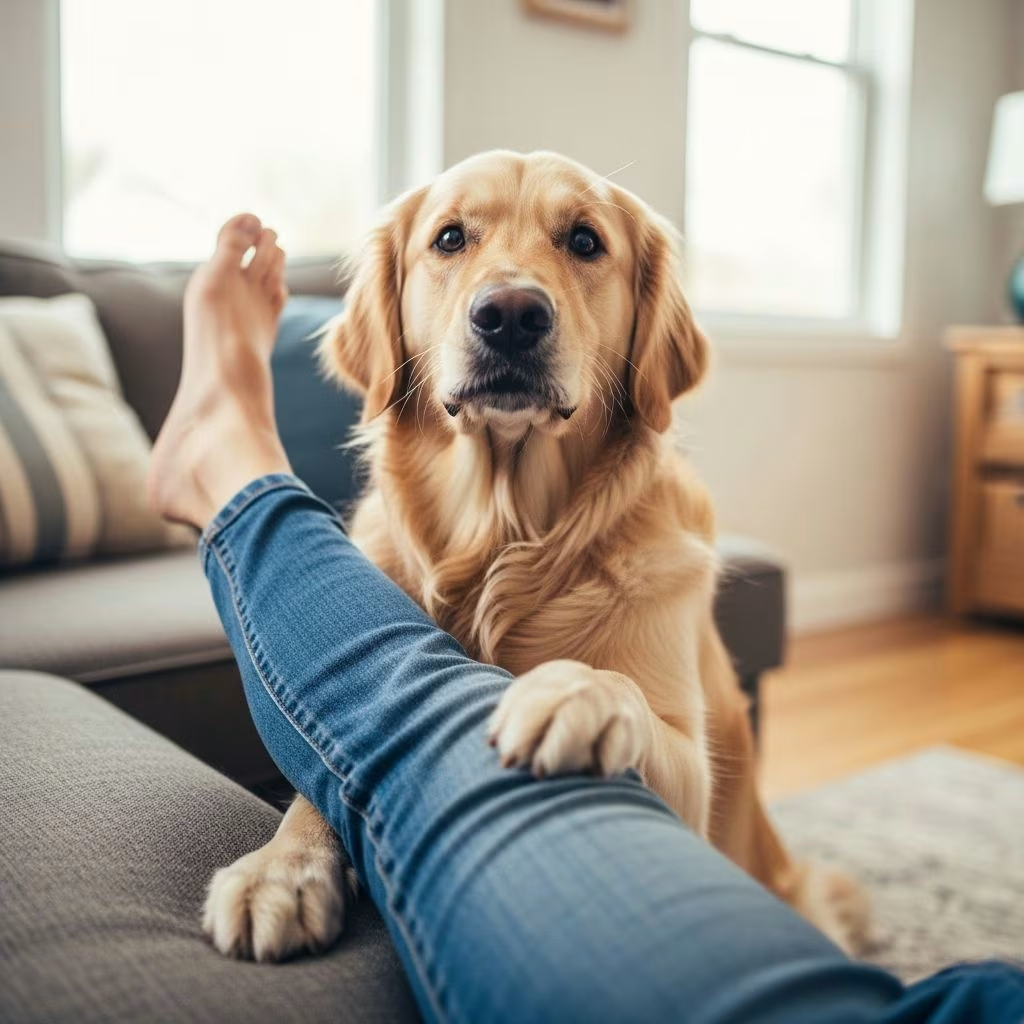
Dog humping, also known as mounting, is a common behavior that embarrasses many pet owners but is rarely a sign of dominance or purely sexual intent. Both male and female dogs, spayed or not, engage in this action toward people, other dogs, toys, or even air. Understanding the root causes—ranging from excitement and play to stress, hormones, or health issues—allows you to address it effectively without punishment, which can worsen the problem.
This behavior often starts in puppies as young as 3-6 weeks during play with littermates and can persist into adulthood if not redirected.Humping serves as an outlet for excess energy, emotions, or discomfort, not aggression. By identifying triggers, you can redirect your dog to appropriate behaviors, fostering better communication and reducing frustration for both of you.
Is Dog Humping Normal?
Yes, humping is a normal canine behavior observed across all ages, breeds, and sexes. It begins instinctively in litters and continues as a way to express arousal, whether physical or emotional.It’s not always sexual; veterinarians note it’s frequently linked to overexcitement during greetings or play. Even neutered dogs hump, debunking the myth that it’s solely hormonal or dominant. The American Society for the Prevention of Cruelty to Animals (ASPCA) explains that dogs mount to display social status or cope with conflicted emotions, but it’s rarely aggressive.
Normalcy depends on context: occasional humping during high-energy moments is typical, but frequent or obsessive episodes warrant investigation for underlying issues like anxiety or illness. Puppies outgrow play-related humping with proper training, while adults may need management to prevent embarrassment in social settings.
Common Reasons Why Dogs Hump
Dogs hump for diverse reasons, broadly categorized into non-medical (behavioral), hormonal, and medical causes. Here’s a breakdown:
- Play and Excitement: Puppies mount littermates during roughhousing, and adults do the same when thrilled, like after your return home or meeting a friend at the park.
- Attention-Seeking: Dogs learn that humping prompts reactions—laughing, scolding, or pushing away—all count as attention, reinforcing the habit.
- Stress Relief: Similar to nail-biting in humans, humping soothes anxiety from new environments, separation, or overstimulation.
- Hormonal Drives: Intact dogs hump more due to testosterone or estrus cycles, though neutering reduces but doesn’t eliminate it.
- Medical Discomfort: Itching from allergies or pain from infections prompts rubbing for relief.
Overexcitement and Play
When dogs get overly aroused—hackles raised, tail wagging furiously—humping channels that energy. This is common post-absence greetings or dog park reunions. High-energy breeds like Labs or Border Collies are prone if under-exercised.Provide outlets like fetch or agility to prevent it. PetMD notes excitement humping occurs during play with people or dogs, mimicking puppy behaviors.
Attention-Seeking Behavior
Dogs crave interaction and test boundaries. If humping elicits any response, it sticks. Avoid reinforcing by turning away silently; reward calm sitting instead. This mirrors child misbehavior for notice—ignore the bad, praise the good.
Stress and Anxiety
Humping acts as self-soothing amid stressors like thunderstorms, vet visits, or household changes. Dogs may target blankets or legs. The Wisconsin Humane Society identifies it as a response to anxiety, frustration, or poor social skills. Signs include pacing or lip-licking; address with calming routines like puzzle toys.
Dominance Myth Debunked
Popular belief labels humping as dominance, but experts disagree. Psychology Today calls it a displacement behavior from emotional conflict, not hierarchy assertion. True dominance shows via stiff posture or growling, not thrusting.
Medical Reasons for Dog Humping
Though less common, health issues drive humping when dogs seek relief from irritation. Consult a vet if accompanied by symptoms like excessive licking or straining.
| Condition | Symptoms | Why It Causes Humping |
|---|---|---|
| Urinary Tract Infections (UTIs) | Frequent urination, straining, blood in urine | Discomfort prompts genital rubbing |
| Skin Allergies/Dermatitis | Itching, red skin, fleas | Scratching via mounting relieves itch |
| Enlarged Prostate | Difficulty defecating, bloody urine | Pain relief through pressure |
| Priapism | Protruding penis that won’t retract | Emergency; causes thrusting |
| Urinary Incontinence | Dribbling, wet spots | Irritation leads to self-stimulation |
The People’s Dispensary for Sick Animals (PDSA) links rare bladder issues to humping, urging prompt vet checks for seniors.
How to Stop Dog Humping
Management focuses on redirection, not punishment, which increases stress and arousal.Key strategies:
- Interrupt Calmly: Say “off” firmly, then redirect to a toy or sit command. Reward compliance.
- Exercise Daily: 30-60 minutes of walks/runs drains excess energy.
- Train Alternatives: Teach “place” or “settle” for greetings; use positive reinforcement.
- Neuter/Spay: Reduces hormone-driven cases by 70-90% in many dogs.
- Desensitize Triggers: Gradual exposure to excitement sources with counters like lavender diffusers for anxiety.
- Professional Help: For OCD or aggression, consult certified trainers or behaviorists.
Consistency across family prevents confusion. Track episodes in a journal: time, trigger, duration—to spot patterns.
When to See a Vet or Behaviorist
Seek professional help if humping is sudden, obsessive, painful, or paired with aggression, lethargy, or elimination changes. Rule out medical causes first—UTIs require antibiotics. Behaviorists use force-free methods for anxiety-linked cases. Early intervention prevents escalation.
Frequently Asked Questions (FAQs)
Why does my neutered dog still hump?
Neutering cuts hormones but not learned habits from play or excitement. Redirect with training.
Is humping a sign of dominance?
No, it’s a myth. It’s usually excitement, stress, or play, per veterinary consensus.
Why does my female dog hump?
Females hump for the same non-sexual reasons; heat cycles amplify it in unspayed ones.
How do I stop my puppy from humping?
Redirect during play; teach boundaries early. It’s normal but manageable.
Does punishing humping work?
No, it reinforces via attention and heightens arousal. Use positive methods.
Can humping indicate pain?
Yes, watch for itching, straining, or swelling—vet visit essential.
This comprehensive guide empowers you to decode and curb humping humanely, strengthening your bond.
References
- Why Does My Dog Hump Me? Common Reasons for this Behavior — Native Pet. 2023. https://nativepet.com/blogs/health/why-does-my-dog-hump-me
- Why Do Dogs Hump? — PetMD. 2024-05-15. https://www.petmd.com/dog/behavior/why-do-dogs-hump
- Decoding Dog Humping: Top 5 Reasons — Dog Standards. 2023-12-01. https://dogstandards.ca/blogs/what-the-dog/why-does-my-dog-hump-so-much
- Humping Behaviour in Dogs — PDSA. 2024. https://www.pdsa.org.uk/pet-help-and-advice/pet-health-hub/symptoms/humping-behaviour-in-dogs
- Humping/Mounting — Wisconsin Humane Society. 2023. https://www.wihumane.org/humping-mounting
- Mounting and Masturbation — ASPCA. 2024. https://www.aspca.org/pet-care/dog-care/common-dog-behavior-issues/mounting-and-masturbation
- Why Dogs Hump — Psychology Today. 2012-09-28. https://www.psychologytoday.com/us/blog/animal-emotions/201209/why-dogs-hump



