

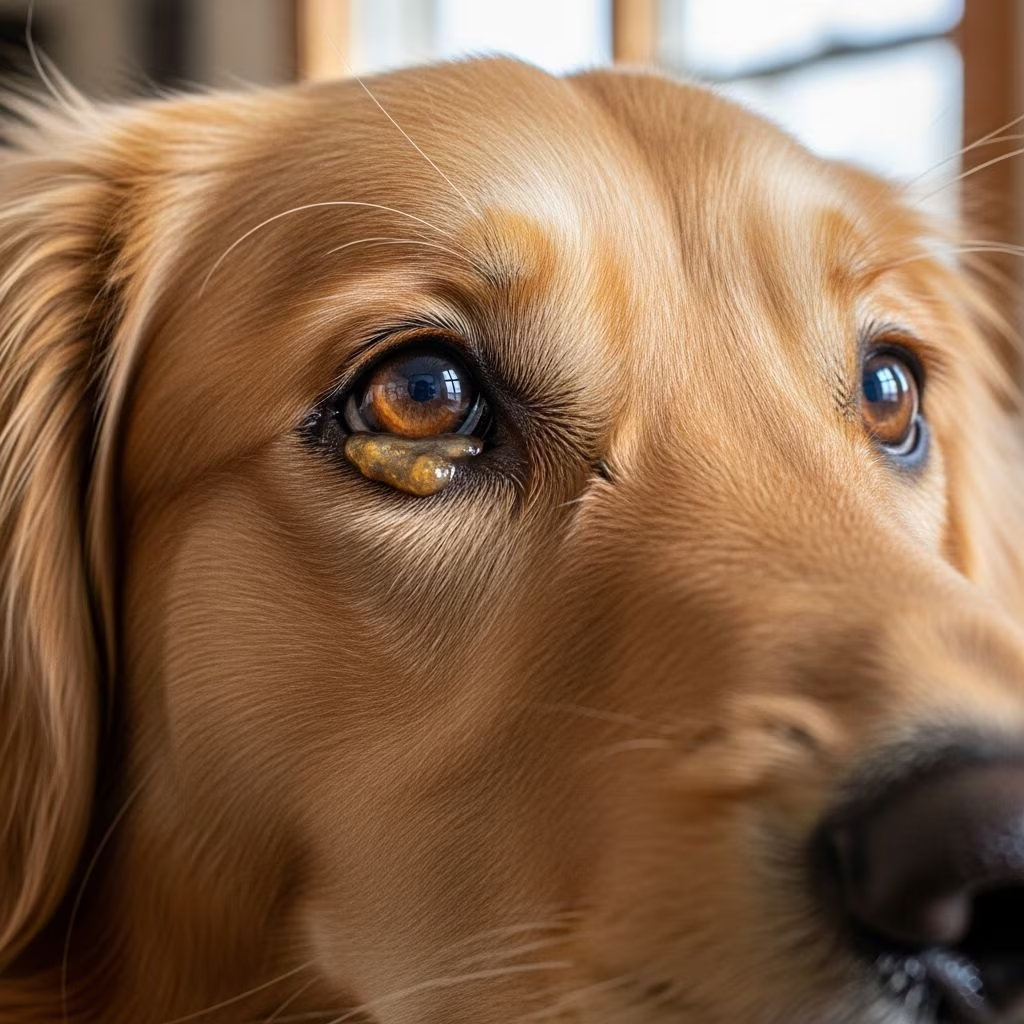
Dogs naturally produce eye discharge, often called “eye boogers,” “goop,” or “gunk,” as part of their eye’s self-cleaning process. This sticky buildup, composed of mucus, oil, skin cells, and dust, accumulates in the corners of the eyes overnight or during the day. Small amounts of clear or slightly off-white discharge are typically harmless and can be gently wiped away. However, excessive, colored, or persistent eye boogers may indicate underlying issues ranging from allergies to serious conditions like glaucoma.
Understanding the difference between normal and abnormal discharge is crucial for your dog’s eye health. Normal eye boogers are minimal, clear to light brown, and easy to remove without causing discomfort. Abnormal discharge might be thick, yellow, green, or bloody, accompanied by redness, swelling, squinting, or pawing at the eyes. Breeds with flat faces like Pugs, Bulldogs, and Shih Tzus are prone to more noticeable discharge due to their anatomy, but all dogs can experience problems.
What Are Dog Eye Boogers?
Dog eye boogers form when tears mix with debris. Healthy canine eyes produce tears to lubricate, nourish, and protect the cornea from irritants. These tears drain through tear ducts into the nose, but some residue dries into crusty bits. Factors like sleep, environment, and breed influence the amount produced. For instance, dogs with prominent eyes or shallow eye sockets, such as Boston Terriers, often have more visible buildup.
- Composition: Mucus from goblet cells, oils from meibomian glands, dead cells, and environmental particles.
- Normal appearance: Small, crusty, white-to-brownish clumps in inner eye corners.
- Daily production: Varies; more after sleep or exposure to dust/pollen.
While usually benign, monitoring changes helps catch issues early. Veterinary sources note that while minor discharge is common, owners should track patterns for health insights.
Normal vs. Abnormal Eye Discharge in Dogs
Distinguishing normal from abnormal discharge prevents unnecessary worry and ensures timely intervention. Normal discharge is sparse and doesn’t irritate the eye, whereas abnormal types signal inflammation, infection, or blockages.
| Type | Appearance | Causes | Action Needed |
|---|---|---|---|
| Normal | Clear, white, or light brown; minimal crust | Sleep, dust, natural tearing | Gentle cleaning |
| Watery (Epiphora) | Excess clear tears; wet fur | Allergies, blocked ducts, irritants | Monitor; vet if persistent |
| Mucoid/White | Thick, white/stringy | Dry eye (KCS), viral issues | Vet exam |
| Purulent/Yellow-Green | Thick, pus-like, colored | Bacterial infection, conjunctivitis | Immediate vet |
| Bloody/Rusty | Red-tinged, staining fur | Ulcers, trauma, high pressure | Urgent vet care |
Abnormal discharge often pairs with symptoms like redness or light sensitivity. According to veterinary experts, prompt evaluation is key to avoid complications like vision loss.
Common Causes of Dog Eye Boogers
Several factors contribute to excessive eye boogers. Identifying the cause requires observing color, consistency, and accompanying signs.
Allergies
Environmental allergens like pollen, dust mites, mold, or household products trigger itchy, watery eyes in dogs, leading to increased discharge. Seasonal patterns or sneezing often accompany this. Allergic conjunctivitis is non-contagious and treatable with antihistamines or avoiding triggers.
Conjunctivitis (Pink Eye)
This inflammation of the eye’s conjunctiva causes red, swollen eyes with thick discharge. Types include:
- Bacterial: Yellow-green pus; contagious; treated with antibiotic drops.
- Viral: Watery with respiratory symptoms; supportive care.
- Allergic: Itchy, seasonal; cold compresses and antihistamines.
Breed predispositions exist, but all dogs are susceptible.
Dry Eye (Keratoconjunctivitis Sicca – KCS)
KCS occurs when tear production drops, causing thick, white mucus buildup as the eye compensates. Symptoms include dull corneas and persistent wiping. Treatments like cyclosporine or tacrolimus restore moisture; surgery is rare.
Corneal Ulcers
Scratches or erosions on the cornea from trauma, nails, or foreign objects cause pain, squinting, and watery discharge. Fluorescein staining diagnoses them; antibiotics and protective collars aid healing.
Glaucoma
Increased eye pressure leads to cloudy eyes, bulging, and tearing. Painful and vision-threatening, it requires immediate meds or surgery.
Blocked Tear Ducts
Clogs from infection, inflammation, or anatomy prevent drainage, causing overflow tears that crust. Flushing or surgery resolves this.
Eye Injuries or Foreign Objects
Dust, grass seeds, or trauma provoke protective tearing and mucus. Check for squinting or rubbing.
Breed-Specific Issues
Brachycephalic breeds suffer from shallow sockets, entropion (in-rolling lids), or ectopic cilia, exacerbating discharge.
How to Clean Your Dog’s Eye Boogers Safely
Regular, gentle cleaning prevents buildup and staining. Use vet-approved methods:
- Wet a soft cloth or cotton ball with warm water, saline, or eye wash.
- Gently wipe from inner to outer eye corner.
- Never rub; use separate wipes per eye.
- Dry surrounding fur to avoid dampness.
- Clean daily if needed; avoid human products like baby wipes.
For heavy crust, soften with a warm compress first. Trimming face fur helps brachycephalic dogs.
When to See a Vet for Dog Eye Discharge
Consult a vet if discharge lasts over 24-48 hours, changes color, or includes:
- Redness, swelling, or cloudiness.
- Squinting, pawing, or light sensitivity.
- Vision changes like bumping objects.
- One eye only affected.
- Foul odor or fur staining.
Vets perform exams, tear tests, and dyes to diagnose. Early care prevents scarring or blindness.
Treatment Options for Abnormal Eye Discharge
Treatments target causes:
- Infections: Antibiotic/antiviral drops.
- Allergies: Antihistamines, steroids, artificial tears.
- Dry Eye: Lubricants, immunosuppressants.
- Ulcers/Glaucoma: Meds, surgery.
- Blockages: Flushing, surgery.
Follow-up ensures resolution.
Preventing Eye Boogers in Dogs
Minimize issues with:
- Regular cleaning and fur trims.
- Allergen reduction (air filters, hypoallergenic bedding).
- Protective eyewear outdoors.
- Routine vet checkups.
- Balanced diet for eye health.
These steps promote clear, healthy eyes.
Frequently Asked Questions (FAQs)
Are eye boogers normal for dogs?
Yes, small amounts are normal, but monitor for changes.
Can I use human eye drops on my dog?
No; they may worsen issues. Use vet-recommended products.
How often should I clean my dog’s eyes?
Daily for prone breeds; as needed otherwise.
Do puppies get eye boogers?
Yes, but excessive may indicate infection.
Can diet affect dog eye discharge?
Possibly; omega-3s support eye health.
References
- Dog Eye Discharge Causes and Treatment Tips — Reed Animal Hospital. 2023. https://www.reedanimalhospital.com/blog/dog-eye-discharge-normal-vs-abnormal/
- Dog Eye Discharge Causes and Treatments — WebMD. 2024-01-15. https://www.webmd.com/pets/dogs/dog-discharge-from-eye
- 5 Types of Dog Eye Discharge and When To Go to the Vet — PetMD. 2024. https://www.petmd.com/dog/general-health/dog-eye-discharge
- Why Do Dogs Get Eye Boogers? — Bayshore Veterinary Hospital. 2023-05-10. https://bayshore-vet.com/blog/why-do-dogs-get-eye-boogers/
- When Should You Worry About Your Pet’s Eye Discharge? — Companion Animal Clinic Iowa. 2023. https://www.companionanimalcliniciowa.com/blog/when-should-you-worry-about-your-pets-eye-discharge
- Dog Eye Discharge: Causes and Treatment — Chewy Thoroughly Vetted. 2024. https://www.chewy.com/education/dog/health-and-wellness/thoroughly-vetted-dog-eye-discharge
- Dog Eye Boogers, Goop & Gunk: What to Know — Hill’s Pet Nutrition. 2024-02-20. https://www.hillspet.com/dog-care/healthcare/managing-dog-eye-boogers-goop-gunk



