
Dry, Flaky Skin In Dogs: 6 Effective Treatments To Try
Understanding the causes and solutions for your dog's dry, flaky skin and dandruff.
Why Does My Dog Have Dry, Flaky Skin?
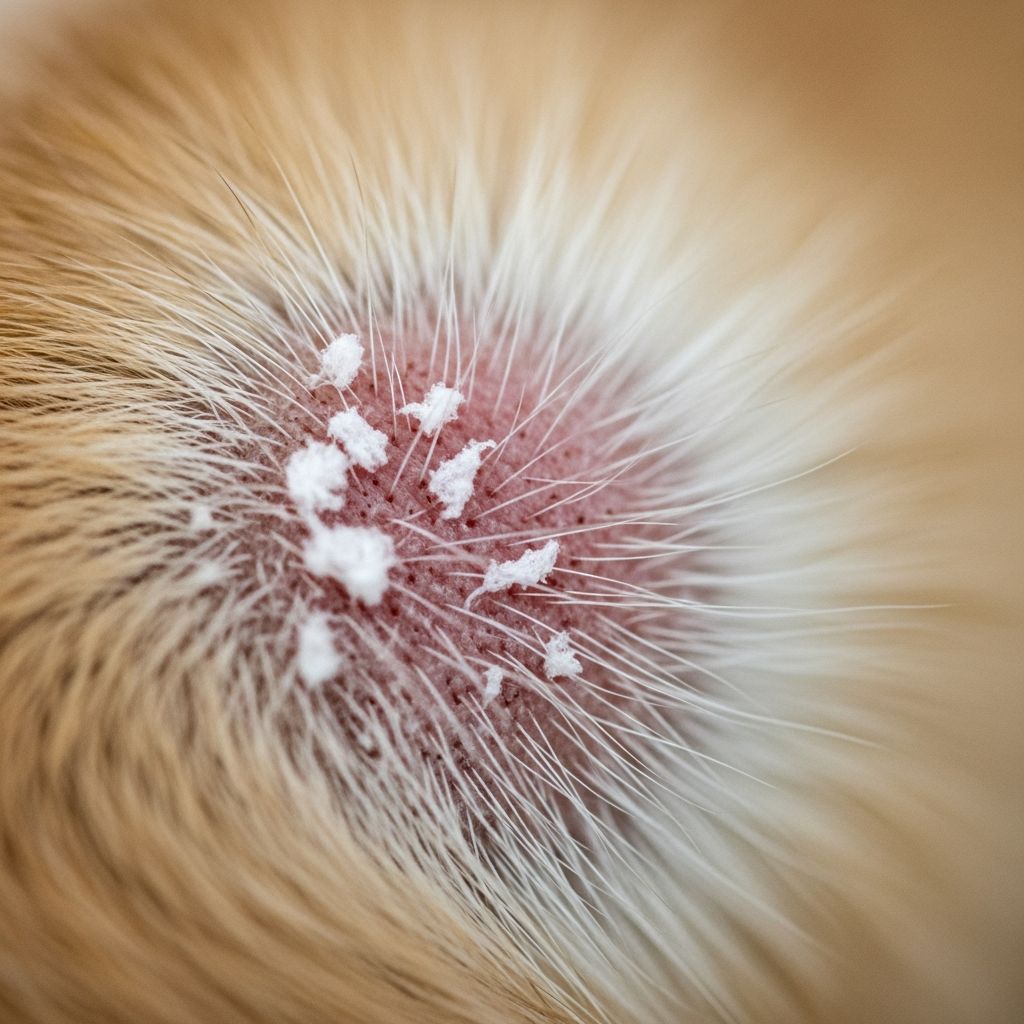
Dry, flaky skin in dogs, commonly known as canine dandruff, is a condition that many pet owners encounter. If you’ve noticed white flakes in your dog’s coat or areas of irritated, scaly skin, you’re not alone. This frustrating issue affects dogs of all ages and breeds, and understanding its causes is the first step toward helping your furry friend feel more comfortable. While dry skin may seem like a minor cosmetic concern, it often signals an underlying problem that requires attention.
Understanding Dog Dandruff and Dry Skin
Dog dandruff is essentially dry, flaky skin characterized by white flakes and an imbalance of dead skin cells, often resulting from a compromised skin barrier. Unlike human dandruff, which is typically caused by a specific fungus, canine dandruff can stem from numerous underlying factors. The condition manifests as visible white or gray flakes throughout your dog’s coat, sometimes accompanied by itching, redness, or unpleasant odors.
It’s important to recognize that more than 80% of cases of flaky skin in dogs are due to secondary causes—meaning the dry skin results from an underlying disease or condition affecting the skin’s normal function. This distinction is crucial because treating the symptom alone won’t resolve the problem; you must identify and address the root cause.
Primary Causes of Dry, Flaky Skin in Dogs
Environmental Factors
Environmental conditions play a significant role in your dog’s skin health. Central heating during winter months, air conditioning in summer, and naturally dry climates can all contribute to moisture loss from your dog’s skin. When indoor heating systems reduce humidity levels, your dog’s skin loses moisture, leading to dryness and flakiness. Similarly, exposure to extremely dry air conditions, such as those found in desert regions or the Great Plains, can severely compromise skin integrity.
The combination of low humidity and temperature fluctuations weakens your dog’s skin barrier, making it harder for the coat to retain its natural oils. This environmental stress is particularly problematic during winter months when heating systems run continuously, creating an especially harsh indoor climate for your pet’s skin.
Nutritional Deficiencies
A poor diet is a common culprit behind dry, flaky skin in dogs. Nutritional deficiencies, particularly inadequate intake of essential fatty acids, vitamins, and minerals, directly impact skin health. Dogs require omega-3 and omega-6 fatty acids to maintain healthy, hydrated skin. Without these nutrients, the skin becomes dry and susceptible to flaking.
Specific deficiencies in vitamin A, zinc, and essential fatty acids are particularly problematic for skin integrity. A balanced, high-quality diet rich in these nutrients is essential for maintaining your dog’s coat and skin health. Many commercial dog foods may not provide adequate levels of these critical nutrients, necessitating supplementation or dietary adjustments.
Improper Grooming and Bathing Practices
How you bathe and groom your dog directly affects skin moisture levels. Over-bathing strips the natural oils from your dog’s skin, disrupting the natural skin coat balance and causing dryness and potentially itchy skin. Additionally, using harsh shampoos, excessively hot water, or hot blow dryers further exacerbates the problem by removing protective oils and damaging the skin barrier.
Dogs who cannot groom themselves properly due to mobility issues such as obesity, arthritis, or injury may develop flaky skin as well. Matted, tangled fur pulls at the skin underneath, causing irritation and dryness that eventually manifests as dandruff.
Secondary Causes: Underlying Health Conditions
Hormonal Imbalances
Hormonal imbalances are among the most common secondary causes of dry, flaky skin in dogs. Cushing’s disease, which results from overactive adrenal glands, and hypothyroidism, caused by an underactive thyroid gland, are very commonly seen in older dogs. Both conditions can cause dry and flaky skin among other signs, notably hair loss. These hormonal disorders disrupt normal skin cell turnover and sebum production, leading to visible skin problems.
Skin Infections and Parasites
Various bacterial and fungal infections can cause dry, irritated, and inflamed skin in dogs. These infections disrupt the skin’s natural barrier function, leading to moisture loss and flakiness. External parasites such as fleas, mites, and mange can also cause itchy skin, irritation, and inflammation, especially if your dog is allergic to flea saliva.
Flea allergy dermatitis (FAD) is the most common type of canine allergy and usually involves excessive itching and skin inflammation. This condition is particularly important to address because it’s preventable through consistent external parasite control. Even a single flea bite can trigger severe reactions in allergic dogs, leading to skin damage and secondary infections.
Allergies
Dogs can develop allergic reactions to certain foods, environmental elements, or grooming products. Skin allergies in dogs often reveal themselves as itchy, dry skin and scabs. Food allergies, environmental allergies, and contact allergies all manifest similarly, making diagnosis challenging without professional veterinary guidance.
Other Health Conditions
Additional health conditions that may cause dry, flaky skin include seborrhea, pyoderma, immune diseases such as lupus, and obesity. Less commonly, immune diseases can result in similar symptoms to primary dry skin conditions. These various conditions all disrupt normal skin function and require specific treatments to address.
Treatment and Management Strategies
Identifying the Underlying Cause
The first step in treating dry, flaky skin is identifying the underlying cause. It’s essential that you visit your veterinarian to establish what’s causing your dog’s dandruff. Your vet can perform diagnostic tests, examine your dog’s skin, and review medical history to pinpoint the problem. This professional diagnosis is crucial because treatment must address the root cause, not just the symptoms.
Dietary Modifications and Supplements
A balanced diet plays a crucial role in maintaining healthy skin. Omega-3 and omega-6 fatty acids help keep your dog’s skin hydrated and reduce inflammation, so look for dog food rich in these nutrients or consider adding fish oil supplements to their diet. High-quality dog food containing the right vitamins and minerals is essential for supporting skin health from the inside out.
Pet skin supplements often contain ingredients such as fish oil that can help improve dry, flaky skin. These supplements provide concentrated doses of beneficial fatty acids and other nutrients that support skin barrier function and reduce inflammation.
Topical Treatments and Products
Topical treatments can provide immediate relief for dry, itchy skin. Hypoallergenic shampoos free from harsh chemicals can cleanse your dog’s coat without stripping away essential oils. Using a medicated shampoo prescribed by your veterinarian may be necessary if your dog has specific skin conditions or infections.
Additional topical solutions include coconut oil applied to dry patches of skin to help moisturize and soothe irritation, and pet-safe aloe vera gel, which can calm inflamed or itchy skin. Creams and lotions designed for dogs can also help if your dog has a small area of dry skin, such as on their nose or elbows.
Environmental Adjustments
Using a humidifier is one of the simplest ways to combat dry skin caused by environmental factors. Humidifiers increase the humidity of a space, thus adding more moisture to the skin, particularly during winter months or in arid climates. This is especially beneficial for dogs spending significant time near heat sources or in naturally dry environments.
Reducing Bathing Frequency
A good goal is to bathe your dog once every two to four weeks, depending on their lifestyle and coat type. Bathing too frequently, even with gentle products, can still strip natural oils and worsen dry skin. When you do bathe your dog, use lukewarm water rather than hot water, and always follow up with a moisturizing rinse or leave-in conditioner.
Treating Underlying Conditions
Where the cause is secondary to another condition, treatment of the underlying condition is essential. This may include antibiotics or antifungals for skin infections, external parasite treatment and prevention to control skin irritation from bug bites and other pests, or allergy medication and treatment to control allergic itch that can lead to skin damage. Weight management and arthritis medication may also be necessary to ensure adequate mobility for regular grooming.
Parasite Prevention
It’s very important to use a vet-recommended flea and tick prevention every month, no matter where you live—harmful parasites are active year-round and can still affect your pet, even in colder weather. These products often address more parasites than just fleas and ticks and help keep your pet healthy overall.
Comparison of Common Treatment Approaches
| Treatment Method | Best For | Effectiveness | Timeline |
|---|---|---|---|
| Dietary Changes | Nutritional deficiencies | High | 4-8 weeks |
| Omega Supplements | General skin health | High | 3-6 weeks |
| Medicated Shampoo | Infections and parasites | High | 1-2 weeks |
| Humidifier Use | Environmental dryness | Moderate-High | 1-2 weeks |
| Reduced Bathing | Over-washing damage | High | 2-4 weeks |
| Prescription Medication | Underlying conditions | Very High | Variable |
Frequently Asked Questions
Q: How often should I bathe my dog to prevent dry skin?
A: The ideal bathing frequency is once every two to four weeks, depending on your dog’s lifestyle and coat type. Over-bathing strips natural oils and worsens dry skin, so less frequent bathing is generally better for skin health.
Q: Can environmental factors alone cause my dog’s dry skin?
A: While environmental factors like low humidity and central heating can exacerbate dry skin, they are rarely the sole cause. More than 80% of cases are due to secondary causes like allergies, infections, or hormonal imbalances. However, environmental factors may worsen existing dry skin conditions.
Q: What supplements should I give my dog for dry skin?
A: Omega-3 and omega-6 fatty acid supplements, often derived from fish oil, are highly effective for improving skin health. Additionally, supplements containing zinc, vitamin A, and other skin-supporting nutrients can help. Always consult your veterinarian before starting any supplement regimen.
Q: Is dry dog skin contagious?
A: Dry skin itself is not contagious, but the underlying causes sometimes are. If your dog’s dry skin is caused by a fungal or parasitic infection, these conditions could be transmitted to other pets. This is another reason why veterinary diagnosis is essential.
Q: How long does it take to see improvement after starting treatment?
A: The timeline varies depending on the underlying cause and treatment method. Medicated shampoos may show results within one to two weeks, while dietary changes typically take four to eight weeks to demonstrate improvement. Addressing underlying health conditions may require several weeks to months.
Q: Should I use human skin products on my dog’s dry skin?
A: No, human skin products should generally be avoided as they may contain ingredients toxic to dogs or disrupt their skin’s pH balance. Always use pet-specific products, and when in doubt, consult your veterinarian for safe recommendations.
Q: Can allergies cause dry, flaky skin in dogs?
A: Yes, allergies are a common cause of dry skin in dogs. Both food allergies and environmental allergies can trigger skin reactions that manifest as dryness, flaking, and itching. Flea allergy dermatitis is particularly common and causes significant skin problems.
Q: What role does nutrition play in preventing dog dandruff?
A: Nutrition is fundamental to skin health. A diet lacking essential fatty acids, vitamins, and minerals directly contributes to dry, flaky skin. Ensuring your dog receives a balanced, high-quality diet rich in omega fatty acids and essential nutrients is one of the most important preventive measures.
When to See Your Veterinarian
If you notice signs of dry, flaky skin in your dog, scheduling a veterinary appointment is crucial. Your veterinarian can perform a thorough examination to identify the underlying cause and recommend appropriate treatment. Seek immediate veterinary attention if your dog’s dry skin is accompanied by severe itching, hair loss, open sores, or signs of infection. Additionally, if home remedies don’t improve the condition within two weeks, professional evaluation is warranted.
Conclusion
Dry, flaky skin in dogs can result from various causes, ranging from simple environmental factors to serious underlying health conditions. Understanding these causes is the first step toward helping your dog. While environmental adjustments, dietary improvements, and topical treatments can provide relief, the most important action is identifying and addressing the root cause. By working closely with your veterinarian, maintaining a consistent grooming routine, ensuring proper nutrition, and creating a comfortable living environment, you can help your dog achieve healthy, hydrated skin and a lustrous coat. Remember that persistent or worsening dry skin always warrants professional veterinary evaluation to rule out serious underlying conditions and ensure your beloved pet receives the care they deserve.
References
- Dry, Flaky Skin in Dogs – Dog Dandruffs — DOUXO. 2024. https://www.douxo.com/sg_en/your-dog-s-skin/dandruff-dry-skin
- What to do if your dog has dandruff or dry skin — Vetster. 2024. https://vetster.com/en/wellness/what-to-do-if-your-dog-has-dandruff-or-dry-skin
- Dandruff in Dogs: Causes & Treatment — Pets on Broadway Denver Vets. 2024. https://www.petsonbroadway.net/site/blog/2024/07/15/dandruff-dog
- Dry Skin On Dogs: Ways To Help Treat — Modern Vet GA. 2024. https://modernvetga.com/dry-skin-on-dogs-ways-to-help-treat/
- Dog Dry Skin: Causes, Treatments, and Prevention — PetMD. 2024. https://www.petmd.com/dog/symptoms/dry-flaky-skin-dogs
- Expert Insights on Dog Dry Skin — Nutri-Vet. 2024. https://nutri-vet.com/blogs/news/dry-skin-dogs-winter-remedies
- Dandruff in Dogs — PDSA. August 2020. https://www.pdsa.org.uk/pet-help-and-advice/pet-health-hub/symptoms/dandruff-in-dogs
Similar Articles








Read full bio of Sneha Tete


