

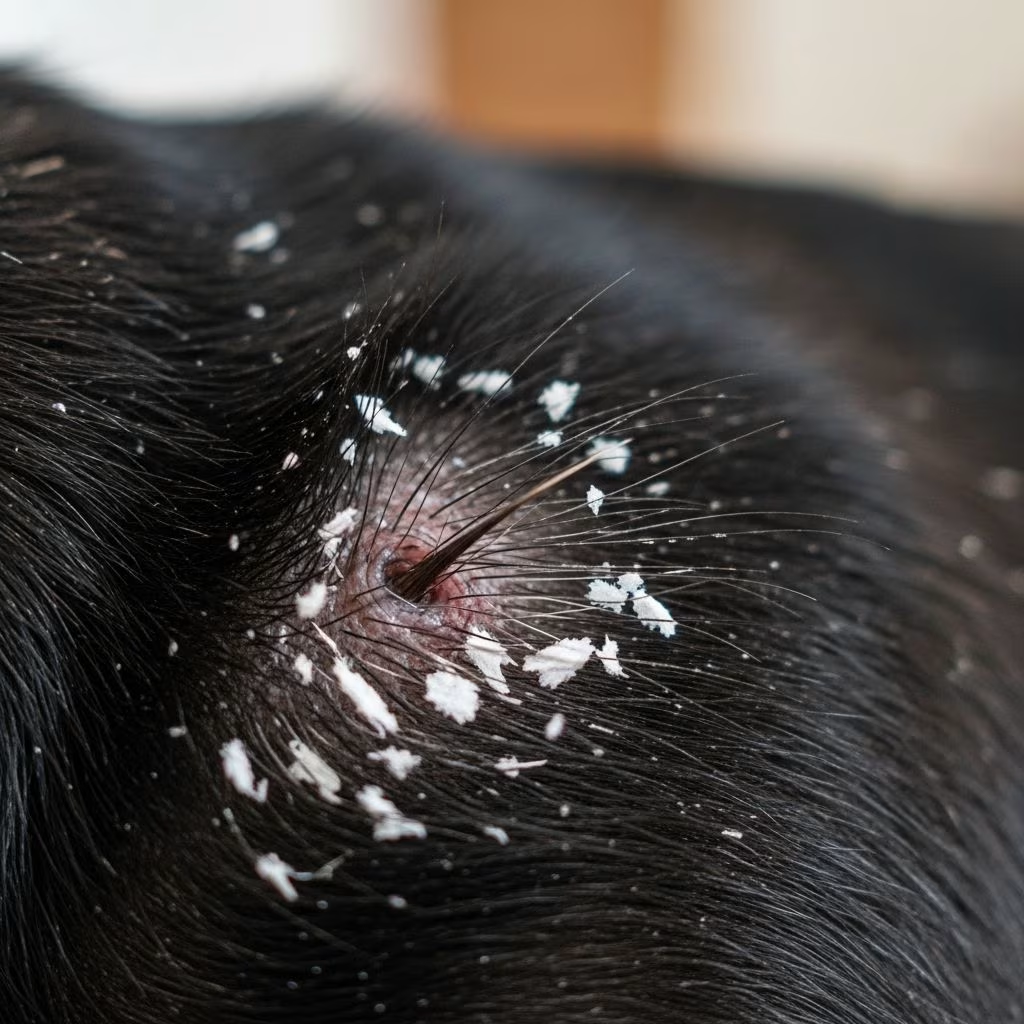
Dandruff in dogs appears as white or gray flakes on your pet’s coat and skin, often accompanied by itching or dryness. This common condition signals an underlying issue with skin health, ranging from environmental factors to medical problems. While not typically serious on its own, addressing dandruff promptly prevents discomfort and secondary infections for your dog.
What Is Dog Dandruff?
Dog dandruff, clinically known as seborrhea, results from overactive or underactive sebaceous glands that produce sebum, the natural oil keeping skin hydrated. Excess sebum leads to oily dandruff (seborrhea oleosa), while insufficient production causes dry flakes (seborrhea sicca). These imbalances disrupt normal skin cell turnover, causing visible flakes that resemble human dandruff.
Unlike humans, dogs can’t verbalize discomfort, so flakes may indicate broader issues like irritation or poor coat health. Breeds like Cocker Spaniels, Basset Hounds, West Highland White Terriers, and English Springer Spaniels are genetically prone due to primary seborrhea, where skin cells renew too quickly.
Causes of Dandruff in Dogs
Several factors contribute to dandruff. Identifying the root cause is essential for effective treatment. Common triggers include environmental, dietary, parasitic, allergic, infectious, and medical conditions.
Dry Skin
Dry skin is a leading cause of dandruff, often from low humidity, harsh winters, excessive bathing, or harsh shampoos stripping natural oils. Indoor heating exacerbates this in dry climates, leading to flaky, itchy skin.
Poor Nutrition
A diet deficient in omega-3 and omega-6 fatty acids, vitamins A and E, or zinc impairs skin barrier function, resulting in dryness and flaking. Balanced nutrition supports healthy skin cell production and oil balance.
Parasites
Fleas, ticks, mites (like those causing mange or Cheyletiellosis, or “walking dandruff”), and lice irritate skin, prompting excessive scratching and flaking. These visible or microscopic pests lay eggs in fur, worsening itchiness.
Allergies
Food allergies (to proteins like beef or grains) or environmental allergens (pollen, dust mites, mold) trigger inflammation, itchiness, and secondary flaking. Symptoms often include recurrent ear infections and paw chewing.
Skin Infections
Bacterial (staph) and fungal (yeast or ringworm) infections exploit skin weaknesses, producing greasy or dry flakes. Yeast overgrowth from moist environments leads to odor and severe dandruff.
Hormonal or Medical Conditions
Hypothyroidism (underactive thyroid), Cushing’s disease (adrenal overproduction), diabetes, or autoimmune disorders like pemphigus alter skin oil production and immunity, fostering dandruff. These require blood tests for diagnosis.
Grooming Issues or Inactivity
Infrequent brushing traps dead skin, while over-bathing dries skin. Older, overweight, or arthritic dogs groom less effectively, accumulating flakes.
How to Treat Dandruff in Dogs
Treatment targets the underlying cause, often combining home care with veterinary intervention. Always consult a vet for persistent cases to rule out serious conditions.
- Regular Grooming: Brush 2-3 times weekly to remove flakes and distribute oils. Use a curry comb or slicker brush for short coats, undercoat rake for long ones.
- Medicated Baths: Bathe every 1-2 weeks with vet-recommended shampoos containing benzoyl peroxide, sulfur, salicylic acid, or chlorhexidine for seborrhea and infections. Oatmeal or aloe shampoos soothe dry skin.
- Dietary Changes: Switch to omega-rich foods or add fish oil supplements (1,000mg EPA/DHA per 10lbs body weight daily). Hypoallergenic or sensitive skin formulas help allergy-related cases.
- Parasite Control: Monthly flea/tick preventives like topical spot-ons or orals. For mites, vets prescribe lime-sulfur dips or ivermectin.
- Environmental Adjustments: Use humidifiers in dry homes, avoid over-bathing, and wipe paws after walks to reduce allergens.
- Medications: Antibiotics/antifungals for infections, antihistamines or steroids for allergies, hormone therapy for endocrine issues.
Treatment Comparison Table
| Cause | Treatment Options | Expected Timeline |
|---|---|---|
| Dry Skin | Humidifier, moisturizing shampoo, omega supplements | 1-2 weeks |
| Allergies | Hypoallergenic diet, antihistamines, allergen avoidance | 4-8 weeks |
| Infections | Medicated shampoo, antibiotics/antifungals | 2-4 weeks |
| Parasites | Preventives, medicated dips | 1-3 weeks |
| Hormonal | Vet-prescribed medications, lifelong management | 4-12 weeks |
Note: Timelines vary by severity and dog response. Monitor for improvement.
Prevention Tips for Dog Dandruff
Prevent dandruff through consistent care:
- Feed high-quality, AAFCO-approved food with balanced nutrients.
- Maintain year-round parasite prevention.
- Groom weekly and bathe only as needed (every 4-6 weeks).
- Keep living areas clean and humidity at 40-60%.
- Schedule annual vet checkups for early detection.
These habits promote resilient skin and shiny coats.
When to See a Vet for Dog Dandruff
Seek veterinary care if dandruff persists >2 weeks despite home care, or accompanies hair loss, foul odor, redness, intense scratching, lethargy, or weight loss. Vets perform skin scrapes, cytology, allergy tests, or bloodwork for accurate diagnosis.
Frequently Asked Questions (FAQs)
Is dog dandruff contagious?
No, but parasites like ringworm or mites can spread to other pets/humans. Isolate affected dogs and treat promptly.
Can I use human dandruff shampoo on my dog?
No, human products disrupt canine pH balance (5.5 vs. dog’s 6.5-7.5), worsening issues. Use dog-specific formulas.
How often should I bathe a dog with dandruff?
1-2 times weekly with medicated shampoo initially, then monthly for maintenance. Overbathing dries skin.
Does diet really affect dog dandruff?
Yes, deficiencies in fatty acids or vitamins directly cause flaky skin. Consult a vet for supplements.
Can puppies get dandruff?
Yes, from poor mother grooming, malnutrition, or parasites. Pups improve with proper care.
Conclusion
Dog dandruff stems from diverse causes but responds well to targeted treatments. Proactive grooming, nutrition, and vet visits ensure your dog’s skin stays healthy. Early intervention prevents escalation, keeping your pup comfortable and flake-free.
References
- Dandruff in Dogs: Causes & Treatment — Rivergate Veterinary Clinic. 2023-08-15. https://www.rivergateveterinaryclinic.com/site/blog/2023/08/15/dandruff-dog
- Dandruff in Dogs: Causes & Treatment — East Orlando Animal Hospital. 2023-08-15. https://www.eoah.com/site/blog/2023/08/15/dandruff-dog
- Dandruff in Dogs: Causes & Treatment — Pets on Broadway. 2024-07-15. https://www.petsonbroadway.net/site/blog/2024/07/15/dandruff-dog
- Dog Dandruff: Causes & Tips to Treat It — Purina US. N/A. https://www.purina.com/articles/dog/health/skin-fur-ears/dog-dandruff
- How To Get Rid Of Dandruff in Dogs: Causes & Treatment — VRA Vet. 2023-01-15. https://www.vravet.com/site/blog/2023/01/15/how-to-get-rid-of-dandruff-in-dogs-causes–treatment
- Why does my dog have dandruff? — Pico Rivera Vet. 2024-05-15. https://www.picoriveravet.com/site/blog/2024/05/15/dog-dandruff
- Dandruff in dogs — PDSA. N/A. https://www.pdsa.org.uk/pet-help-and-advice/pet-health-hub/symptoms/dandruff-in-dogs



