

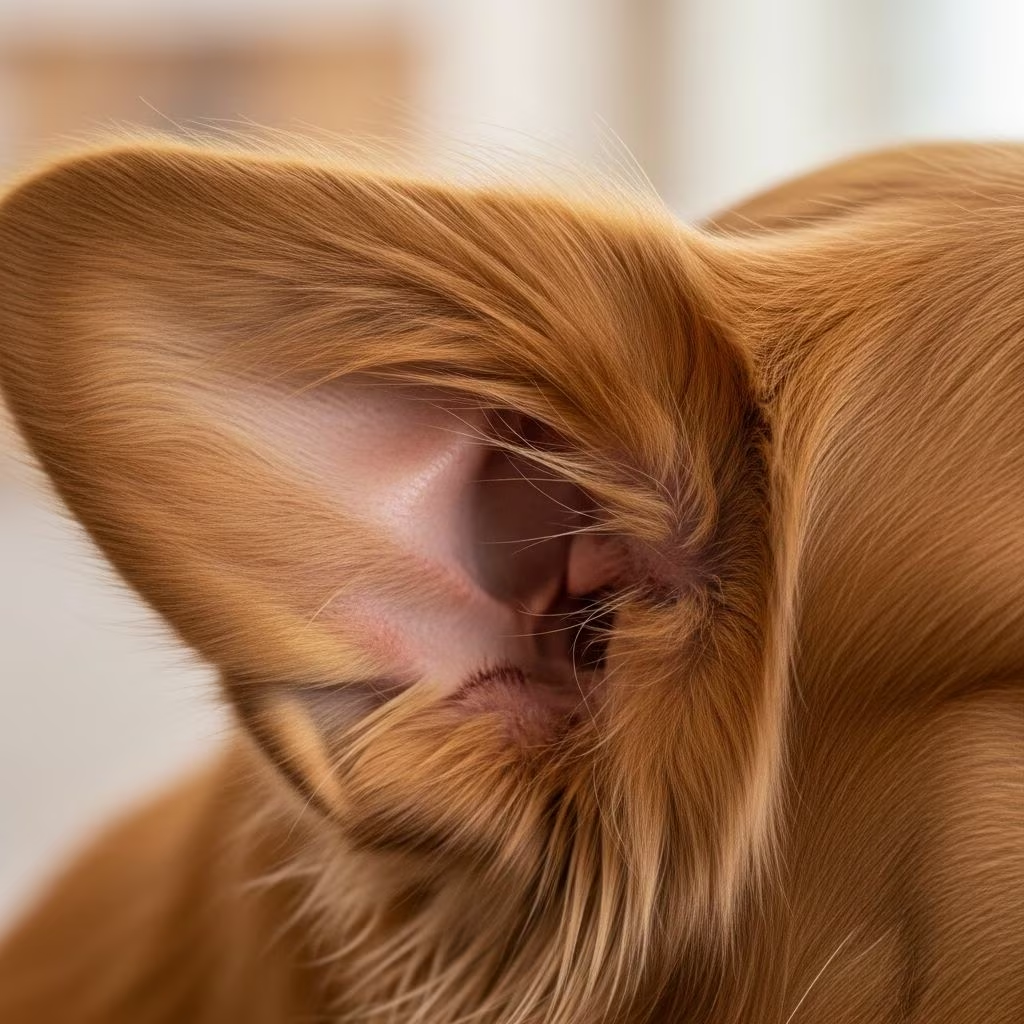
Dog ear infections, medically termed otitis, are among the most common health issues in canines, affecting the external, middle, or inner ear. These infections cause discomfort and, if untreated, can lead to serious complications like hearing loss or balance disorders. Understanding the reasons behind recurrent infections empowers owners to intervene early and prevent chronic problems.
Understanding Dog Ear Infections
The canine ear consists of three parts: the outer ear (pinna and canal), middle ear, and inner ear. **Otitis externa** inflames the external canal and is the most prevalent type. **Otitis media** affects the middle ear, while **otitis interna** involves the inner ear, potentially causing vestibular issues like head tilting and nystagmus. Dogs’ L-shaped ear canals trap moisture and debris, predisposing them to infections from bacteria, yeast, or mites.
Breeds with floppy ears, such as Cocker Spaniels, Basset Hounds, and Labrador Retrievers, are particularly susceptible due to poor ventilation. Water-loving dogs like Retrievers face higher risks after swimming.
Causes of Dog Ear Infections
Ear infections rarely occur in isolation; underlying factors create an environment for pathogens to thrive. Primary causes include:
- Allergies: Food or environmental allergies cause inflammation, leading to secondary infections. Atopic dermatitis affects up to 15% of dogs.
- Moisture: Water retention from swimming or baths promotes yeast and bacterial growth.
- Ear Mites: Common in puppies, mites like Otodectes cynotis irritate the canal, inviting bacteria.
- Foreign Bodies: Grass awns or foxtails lodge in the canal, causing trauma and infection.
- Anatomy: Narrow or hairy canals in breeds like Schnauzers hinder airflow.
- Polyps or Tumors: Growths block the canal, trapping debris.
- Hormonal Issues: Hypothyroidism alters skin pH, fostering infections.
- Trauma: Excessive scratching from other irritants worsens damage.
Chronic cases often stem from untreated allergies, with yeast (Malassezia) and bacteria (Pseudomonas, Staphylococcus) overgrowing in the warm, moist canal.
Symptoms of Ear Infections in Dogs
Early detection prevents progression. Watch for:
- Head shaking or tilting
- Rubbing or scratching the affected ear
- Redness, swelling, or heat in the canal
- Foul odor (yeasty or “corn chip” smell)
- Dark brown, yellow, or bloody discharge
- Hair loss, crusts, or scabs around the ear
- Sensitivity to touch
- Balance issues, eye flicking (nystagmus), or reluctance to eat in severe cases
In otitis interna, dogs may circle, fall over, or show facial paralysis. Bilateral infections indicate systemic issues like allergies.
Diagnosis: What to Expect at the Vet
Veterinarians perform otoscopy to visualize the canal, often under sedation for deep infections. Cytology samples identify bacteria, yeast, or mites. Culture and sensitivity tests guide antibiotic choice for resistant strains. Imaging like CT scans detect middle/inner ear involvement or polyps.
Underlying causes require allergy testing, thyroid panels, or endoscopy. Early diagnosis halts progression to chronic stenosis, where the canal narrows irreversibly.
Treatment Options for Dog Ear Infections
Treatment targets the infection and root cause, typically lasting 2-4 weeks for mild cases, longer for chronic ones.
Step 1: Thorough Cleaning
Vets clean under magnification, removing debris that blocks medication. Home cleaning follows with vet-approved solutions.
Step 2: Topical Medications
Eardrops combine antibiotics (e.g., gentamicin), antifungals (clotrimazole), and steroids (hydrocortisone) for inflammation. Apply as directed, massaging the base.
Step 3: Systemic Therapy
Oral antibiotics like enrofloxacin or cefpodoxime for 6-8 weeks in deep infections. Antifungals (itraconazole) for yeast. Anti-nausea drugs for vestibular signs.
Step 4: Addressing Underlying Issues
Allergy management via hypoallergenic diets, immunotherapy, or apoquel. Parasite control with miticides.
Surgical Interventions
For end-stage disease, Total Ear Canal Ablation (TECA) removes the canal, preserving hearing in many cases. Lateral wall resection opens floppy-eared breeds’ canals.
| Type of Infection | Common Treatments | Duration |
|---|---|---|
| Otitis Externa (Mild) | Cleaning + Topical drops | 1-2 weeks |
| Otitis Media/Interna | Oral antibiotics + IV fluids if needed | 6-8 weeks |
| Chronic/Recurrent | Allergy therapy + Possible surgery | Months |
Complete the full course to prevent resistance. Follow-ups ensure resolution.
Preventing Ear Infections in Dogs
Proactive care reduces recurrence by 80% in predisposed dogs:
- Dry ears thoroughly after swimming/baths using absorbent towels or low-heat dryers.
- Weekly cleaning with vet-recommended solutions (avoid Q-tips).
- Manage allergies: Novel protein diets, flea preventives, environmental control.
- Regular vet checks for high-risk breeds.
- Avoid home remedies like vinegar/hydrogen peroxide, which irritate.
Swimmers benefit from ear-drying products. Monitor for early signs post-water exposure.
When to See a Vet Urgently
Seek immediate care for:
- Head tilt, circling, or eye flicking
- Bloody discharge or deep pain
- No improvement after 48 hours of OTC care
- Both ears affected or neurological signs
Delay risks permanent damage. Vets differentiate infections from aural hematomas or tumors.
Frequently Asked Questions (FAQs)
What breeds are prone to ear infections?
Floppy-eared breeds like Spaniels, Hounds, and Retrievers, plus those with narrow canals (Shar-Peis, Pugs).
Can I treat my dog’s ear infection at home?
No. Home remedies risk worsening; professional diagnosis is essential.
How long do ear infections take to heal?
1-2 weeks for simple cases; chronic ones need months.
Do ear infections cause hearing loss?
Yes, untreated otitis interna can.
Is swimmer’s ear real in dogs?
Yes, moisture triggers yeast overgrowth in water dogs.
References
- Inner Ear Infection (Otitis Interna) in Dogs — VCA Animal Hospitals. 2023. https://vcahospitals.com/know-your-pet/inner-ear-infection-otitis-interna-in-dogs
- Dog Ear Infections: Causes, Symptoms, and Prevention — ASPCA Pet Insurance. 2024. https://www.aspcapetinsurance.com/resources/dog-ear-infections-causes-symptoms-and-prevention/
- Dog Ear Infections: Symptoms, Causes, Treatment, and Prevention — American Kennel Club (AKC). 2024-01-10. https://www.akc.org/expert-advice/health/dog-ear-infections/
- Dog Ear Infections — PetMD. 2025. https://www.petmd.com/dog/conditions/dog-ear-infections
- Pet Ear Infection Information — Veterinary Skin & Ear. 2023. https://veterinaryskinandear.com/ear-infections/



