

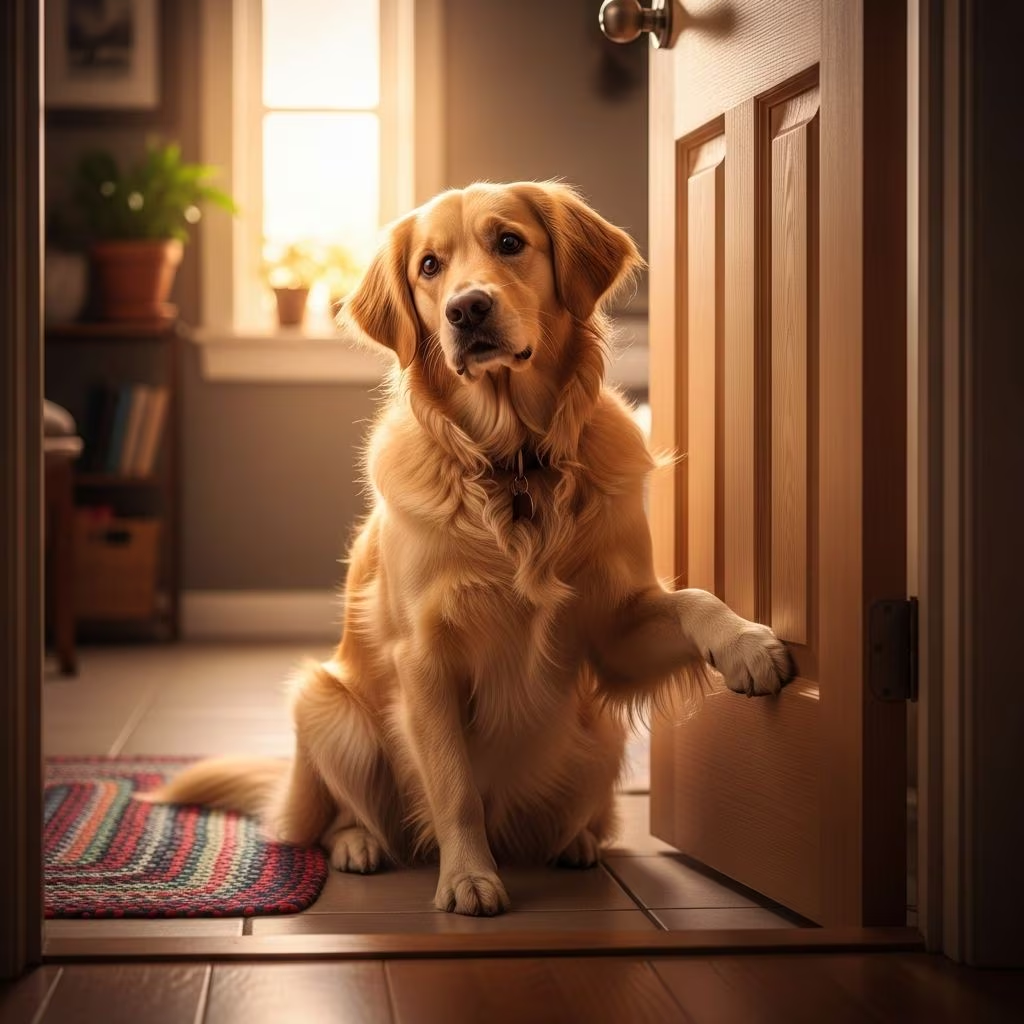
Why Does My Dog Follow Me to the Bathroom?
If you’ve ever wondered why your furry companion insists on being your bathroom buddy, you’re not alone. Many dog owners experience this quirky behavior, and the good news is that it’s completely normal. Dogs follow their owners to the bathroom for various reasons, and understanding these motivations can help you build a stronger bond with your pet while managing any unwanted behaviors.
Yes, it’s totally normal for dogs to follow you to the bathroom. Most of the time, they do this because they want to know what you’re doing in there and would prefer to tag along with you. Rather than viewing this as an intrusive behavior, recognizing it as a sign of affection and attachment can change your perspective on your dog’s constant companionship.
Understanding Pack Mentality and Loyalty
One of the primary reasons dogs follow you to the bathroom stems from their inherent pack mentality. Dogs are pack animals by nature, and this behavior is deeply rooted in their evolutionary history. In the wild, wolves and their ancestors traveled in groups and relied on the safety of the pack for survival. This instinctual drive to stay together has carried over to domesticated dogs, who view their human families as their pack.
Your dog sees you as part of their pack and instinctively wants to stay close to you. This behavior provides them with reassurance and security, which are fundamental needs for canines. When your dog follows you to the bathroom, they’re essentially saying, “I want to stay part of the pack, and I don’t want to be left behind.” This is a sign of their deep affection and loyalty towards you as their primary caregiver.
Additionally, your dog relies on you for food, shelter, and affection. Following you is a practical way to ensure all these needs are met. They associate your presence with positive outcomes, so their constant following is both instinctual and rooted in practical survival instincts that have been passed down through generations.
Separation Anxiety as a Contributing Factor
For some dogs, following their owners to the bathroom is a result of separation anxiety. When dogs feel anxious about being separated from their owners, they tend to stick to them more closely. This can manifest as following you into the bathroom or any other room in the house.
Separation anxiety is particularly common in dogs that are overly attached to their owners or have had traumatic experiences, such as being rehomed or left alone for extended periods. Dogs with separation anxiety might also show other signs of distress, including whining, destructive behavior when left alone, or excessive barking when you leave the house.
If you suspect your dog has separation anxiety, it’s important to address this behavior through gradual desensitization and positive reinforcement training. Creating a safe space for your dog when you’re away and practicing short departures can help reduce their anxiety over time. In some cases, consulting with a certified animal behaviorist or veterinarian may be beneficial.
Curiosity and Natural Interest
Dogs are naturally curious creatures, and the bathroom presents a fascinating environment full of novel stimuli. Your dog might follow you to the bathroom simply because they’re intrigued by what you’re doing in there. The sound of running water, the smell of soap and other toiletries, and even the simple act of you shutting the door might trigger their curiosity.
Bathrooms are filled with interesting smells that appeal to dogs’ sensibilities. For example, dogs in the wild gain information about one another by sniffing various things, and they apply this same line of logic to their human counterparts. Your bathroom contains numerous scents that pique your dog’s interest and encourage them to investigate.
The unusual noises of a flushing toilet or running water might spark their curiosity as well. These sounds are different from the typical noises your dog hears throughout the day, making them particularly interesting. Additionally, in multi-person households, closing the bathroom door upon entry may increase your dog’s curiosity about what’s happening behind that closed door.
Attention-Seeking Behavior
Another reason your dog might follow you into the bathroom is simply for attention. If your dog has learned that following you into the bathroom results in some form of interaction—whether it’s petting, talking to them, or even just a glance—they may keep up this behavior as a way to get your attention.
For dogs that crave attention, following you to the bathroom can become a way to stay involved in your day-to-day activities and ensure they receive the interaction they desire. Even negative attention, such as telling your dog to leave, can reinforce this behavior if your dog views any interaction as better than being ignored.
If you suspect attention-seeking is the primary motivation, it’s important to redirect this behavior positively. Rewarding your dog for quiet, calm behavior in other areas of your home and providing regular playtime and interaction can help satisfy their need for attention without encouraging bathroom intrusions.
Comfort and Security Needs
Some dogs simply want to be near their owners for emotional comfort and security. The bathroom can be a quiet space, and if your dog feels more relaxed in that environment, they may follow you in simply for the reassurance that you’re there. This is particularly true for dogs that have experienced stressful situations or loud noises, such as thunderstorms.
When your dog follows you to the bathroom and lays down on the cool tile or linoleum floor, they’re likely seeking both physical comfort and emotional reassurance. Cool floors can be particularly inviting for dogs, especially on hot days, and the enclosed space of the bathroom may feel like a safe retreat.
If your dog has experienced any traumatic events or is generally anxious, they may seek the safety of being near you as a way to manage their stress. Providing a comfortable bed or mat in a quiet area of your home can help your dog feel secure even when you’re not in the same room.
Mimicking Your Routine
Dogs are incredibly observant and often learn to mimic their owners’ routines. They know when you’re about to leave the house or do something important, like getting ready for the day. Following you to the bathroom could just be part of their daily routine—almost like a doggie version of “keeping an eye on you” to ensure they’re part of your activities.
If your dog has been allowed to follow you around since puppyhood, they might think it’s just part of the established routine. Dogs thrive on familiar patterns, so if following you into the bathroom was never discouraged, they’ll happily continue this behavior as part of their daily life with you.
Understanding this aspect of your dog’s behavior highlights the importance of establishing consistent boundaries and routines early in their lives. What might seem cute in a puppy can become an ingrained habit that’s difficult to break as they mature.
Is This Behavior Normal?
In most cases, following you to the bathroom is absolutely normal behavior. Dogs are social animals, and they often want to stay close to their owners. As long as the behavior doesn’t escalate into obsessive or problematic tendencies, there’s typically no need to worry. It’s simply an expression of your dog’s affection, attachment, and curiosity.
The behavior becomes a concern only when it stems from severe separation anxiety or becomes disruptive to your daily life. If your dog’s bathroom visits are accompanied by excessive whining, destructive behavior, or signs of acute distress when you close the door, these may indicate underlying anxiety that requires professional intervention.
Managing Your Dog’s Bathroom Habits
If you want to manage your dog’s tendency to follow you to the bathroom, there are several strategies you can employ:
Establish Boundaries Early: If you start with a puppy, establish clear boundaries from the beginning. Teaching your dog to wait outside the bathroom door or in a designated area helps prevent the behavior from becoming deeply ingrained.
Use Positive Reinforcement: Reward your dog when they choose to stay outside the bathroom or in another room. Treats, praise, and playtime can reinforce the desired behavior more effectively than punishment.
Create a Comfortable Space: Designate a comfortable area outside the bathroom where your dog can relax while you’re inside. A cozy bed or mat with a toy can make waiting easier for them.
Practice Desensitization: Gradually work on reducing your dog’s anxiety when separated from you. Start with short periods and gradually increase the duration to help them become more comfortable with brief separations.
Provide Mental Stimulation: Ensure your dog receives adequate mental and physical exercise throughout the day. A tired dog is less likely to obsess over your movements and more content to relax independently.
Other Reasons Your Dog Might Follow You Everywhere
Beyond the bathroom, your dog might follow you to other rooms for similar reasons. Some dogs are more prone to following their owners everywhere in the house, a phenomenon sometimes referred to as having a “velcro dog.”
Studies show that familiar scents activate a reward response in dogs, so they might enjoy certain rooms because the smells are positive associations. Additionally, some dogs are simply more attached to their owners and derive comfort from constant proximity.
It’s also worth noting that older dogs or those who are not feeling well may follow you more closely than usual as a way of seeking reassurance and care. If your dog’s behavior suddenly changes or becomes more clingy than usual, it’s worth consulting with a veterinarian to rule out any underlying health issues.
Debunking Common Myths
One popular myth is that dogs follow their owners to the bathroom because they see themselves as the “alpha” and want to protect you while you’re vulnerable. This idea comes from outdated dominance theories that have been largely debunked by modern animal behaviorists.
Dogs probably don’t operate on a strict pack hierarchy with humans in the way that outdated theories suggested. Their behavior is more likely driven by affection, curiosity, or routine than a desire to assert dominance or guard you from harm. Understanding this distinction helps us respond to our dogs’ behaviors with greater compassion and accuracy.
Building a Stronger Bond With Your Dog
When your dog follows you to the bathroom, it’s essentially their way of saying they value your companionship and don’t want to miss a moment with you. While this behavior might sometimes be inconvenient, recognizing it as a sign of love and loyalty can transform your perspective.
If you have a velcro dog, expect to be showered with affection and a constant desire for companionship. These dogs are incredibly loving and loyal but might need a bit of extra patience and guidance as you establish healthy boundaries. The key is finding a balance between appreciating their devotion and helping them develop confidence and independence.
Frequently Asked Questions
Q: Is it harmful to let my dog follow me to the bathroom?
A: Generally, it’s not harmful to allow your dog to follow you to the bathroom. However, if the behavior is driven by severe separation anxiety, addressing the underlying anxiety is important for your dog’s overall wellbeing.
Q: Should I punish my dog for following me to the bathroom?
A: Punishment is not an effective strategy and may worsen anxiety. Instead, use positive reinforcement to reward desired behaviors and help your dog feel secure when not in your immediate presence.
Q: How can I tell if my dog has separation anxiety?
A: Signs of separation anxiety include excessive whining or barking when you leave, destructive behavior, house training accidents, and extreme clinginess. Consult with a veterinarian or behaviorist if you suspect separation anxiety.
Q: Can I train my dog to stop following me to the bathroom?
A: Yes, you can train your dog to wait outside the bathroom through positive reinforcement and consistent boundaries. Start early and be patient, as changing ingrained habits takes time.
Q: Why does my dog stare at me while I’m in the bathroom?
A: Your dog is likely monitoring you out of curiosity, attachment, or a desire to ensure they know what you’re doing. This is a completely normal behavior and another expression of their bond with you.
References
- Why Do Dogs Follow You to the Bathroom? Reasons & Insights — Hide and Scent Pets. Accessed 2025-11-28. https://www.hideandscentpets.com/blogs/dog-behavior/why-do-dogs-follow-you-to-the-bathroom
- Why Does My Dog Follow Me to the Bathroom? — Chewy. Accessed 2025-11-28. https://www.chewy.com/education/dog/training-and-behavior/is-this-normal-why-do-dogs-follow-you-into-the-bathroom
- Why Does My Dog Keep Following Me Into the Bathroom? — Lubbock Dog Training. Accessed 2025-11-28. https://lubbockdogtraining.com/whydoesmydogkeepfollowingmeintothebathroom/
- Why Does My Dog Love Following Me Into the Bathroom? — Rover.com. Accessed 2025-11-28. https://www.rover.com/blog/why-do-dogs-follow-you-into-the-bathroom/
- Dog Science Series: Why Does My Dog Follow Me Into the Bathroom? — Animals Matter. Accessed 2025-11-28. https://animalsmatter.com/blogs/news/dog-science-series-why-does-my-dog-follow-me-into-the-bathroom
- Why Does My Dog Follow Me Everywhere? — PetMD. Accessed 2025-11-28. https://www.petmd.com/dog/behavior/4-reasons-your-dog-follows-you-everywhere



