

Why Does My Dog Foam at the Mouth?
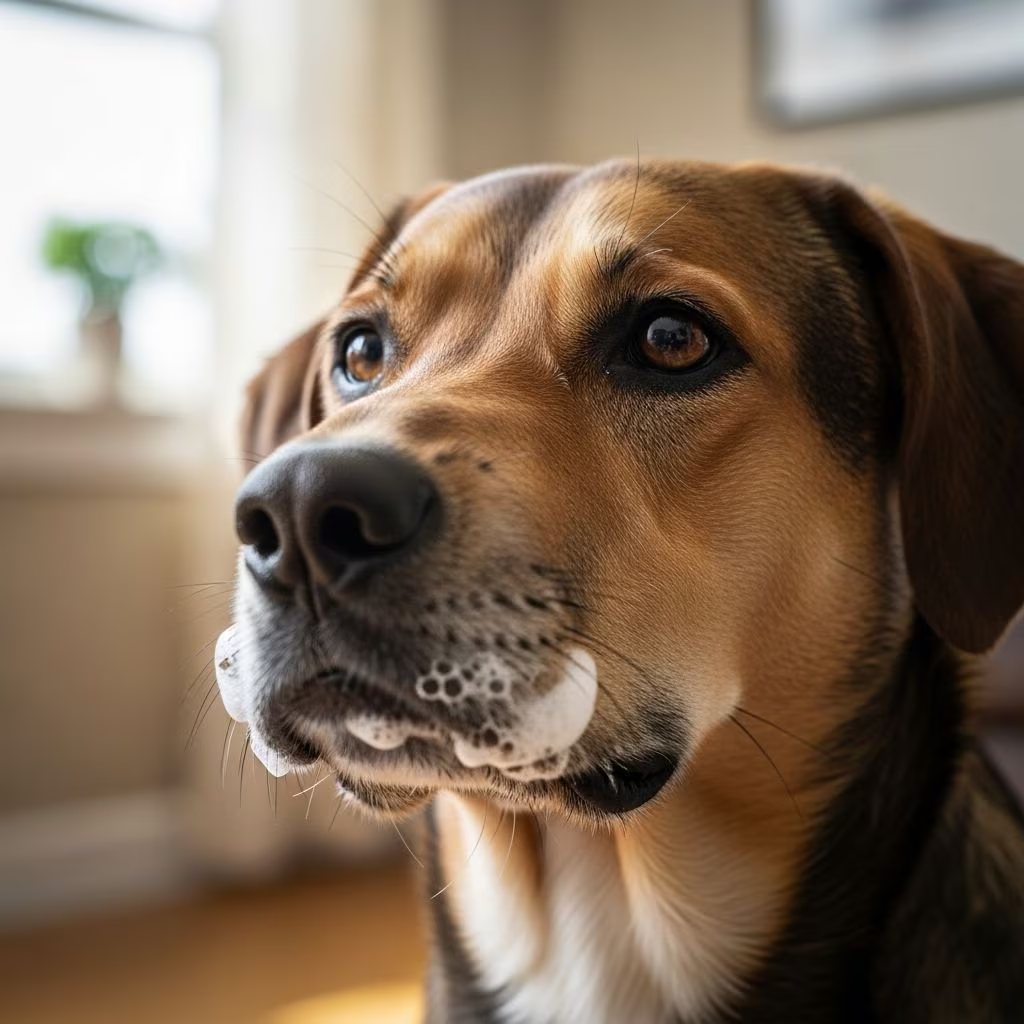
If you’ve noticed your dog foaming at the mouth, you may be concerned about their health and wellbeing. While this symptom can sometimes indicate a serious underlying condition, it is often caused by harmless, everyday occurrences. Understanding the different causes of foaming at the mouth can help you determine whether your dog needs immediate veterinary attention or if the issue will resolve on its own. Dog foaming at the mouth occurs when excessive drool fails to be swallowed while a dog is panting heavily, and the rapid breathing pushes air through the saliva, creating a white frothy appearance around their mouth.
Understanding Aerated Drool
One of the most common and benign causes of foaming at the mouth in dogs is aerated drool. Dogs naturally produce saliva, but this saliva is typically flat and unremarkable. However, when dogs pant or breathe rapidly, oxygen gets mixed into their saliva, creating tiny air bubbles that give the drool a foamy appearance. This type of foaming does not indicate any health problems and is completely normal.
Air can enter your dog’s drool for several harmless reasons, including:
- Panting or breathing rapidly from excitement or playfulness
- Sniffing heavily while drooling, especially during social interactions with other dogs
- Panting due to stress or anxiety in new environments
- Panting heavily after exercising or playing hard
- Eating or licking something with an unpleasant or bitter taste
If your dog is foaming at the mouth but acting completely normally, displaying their typical behavior, eating and drinking properly, and showing no signs of distress, the cause is likely simple aerated drool and nothing to worry about.
Benign Causes of Dog Foaming
Heat Stress and Overexertion
Heat stress and overexertion are common triggers for foaming at the mouth in dogs. When dogs engage in vigorous physical activity or are exposed to high temperatures, they pant heavily to cool down their bodies. This heavy panting, combined with the inability to swallow all the saliva being produced, results in foaming. After a fun run around the park or a particularly vigorous play session, you might notice your dog foaming at the mouth due to normal panting-related froth. This usually resolves quickly once your dog cools down and their breathing returns to normal.
Certain dog breeds, such as those with heavy flews (upper lips) like mastiffs or short noses like pugs, are more prone to overheating and struggle to maintain a normal body temperature. These breeds can overheat quickly and may be more susceptible to heat-related foaming.
Stress, Anxiety, and Excitement
Dogs experiencing stress, anxiety, or high excitement can develop foaming at the mouth. The combination of panting, whining, and barking during these emotional states aerates their drool and causes foam to appear around their mouth. Common triggers for stress and anxiety in dogs include:
- Visits to the veterinarian
- Travel or car rides
- Loud noises such as fireworks or thunderstorms
- New environments or unfamiliar people
- Separation from their owner
- Introduction to new pets
Treating your dog’s anxiety and stress is the best way to stop and prevent further foaming. Identifying what is causing your dog’s stress and providing comfort, reassurance, or behavioral training can help reduce these episodes.
Motion Sickness
Motion sickness is a common cause of foaming at the mouth, particularly in dogs who travel frequently by car. Motion sickness triggers nausea, which leads to excessive drooling. When combined with the panting and anxiety that often accompany motion sickness, this results in foaming at the mouth. If your dog suffers from motion sickness and consistently foams during car rides, it may be beneficial to speak with your veterinarian about medication options or behavioral strategies to reduce the symptoms.
Foul or Bitter Taste
Dogs have sensitive taste buds, and consuming something with a foul or bitter taste can trigger excessive drooling and foaming. This might occur if your dog has eaten something unpalatable, licked a bitter substance, or encountered a taste-based pet deterrent. Fortunately, this type of foaming typically resolves relatively quickly once the dog eliminates the bad taste from their mouth or spits out the offending substance.
Serious Health Conditions Associated with Foaming
Dental Disease and Oral Problems
Dogs suffering from dental disease and oral problems commonly foam at the mouth. Severe tooth abscesses, fractured teeth, or other painful dental issues cause excessive drooling as the dog’s body responds to pain and inflammation in the mouth. When this excessive drool is aerated through panting or normal breathing, it creates foam around the mouth.
Additionally, a bone or stick lodged between the teeth or on the roof of the mouth can cause pain and distress, leading to foaming. If you suspect your dog has dental disease or an oral obstruction, contact your veterinarian promptly for examination and treatment. Depending on the specific dental problem, your vet may recommend professional cleaning, antibiotics, tooth extraction, or other interventions.
Gastrointestinal Issues and Nausea
Nausea and vomiting from various gastrointestinal issues can cause foaming at the mouth. Dogs may experience nausea due to dietary indiscretions (eating something they shouldn’t), infections, metabolic illnesses, or other digestive disorders. The body’s response to nausea includes increased salivation and rapid breathing, both of which contribute to foaming.
If your dog’s foaming at the mouth is followed by vomiting, diarrhea, or other signs of digestive upset, it may indicate that your dog has eaten something that has caused stomach distress. This could potentially lead to other health concerns, and you should contact your veterinarian or an emergency veterinary clinic immediately.
Foreign Objects in the Mouth
Sometimes foaming at the mouth indicates that your dog has a physical object stuck in their mouth, throat, or esophagus. This could include:
- Bones or bone fragments
- Sticks or wood splinters
- String, thread, or cloth
- Toys or toy pieces
- Food blockages
A blockage or abscess in the oral cavity, throat, or esophagus causes excessive drooling and pain, which can result in foaming. Seek immediate veterinary attention if you suspect your dog has a foreign object lodged in their mouth or throat, as these situations can become serious quickly.
Seizures
Foaming at the mouth is a classic sign of a seizure in dogs. Other accompanying symptoms of seizures include shaking, twitching, disorientation, loss of consciousness, and involuntary muscle movements. If you witness your dog having a seizure with foaming, keep them safe from injury, time the seizure if possible, and contact your veterinarian or emergency clinic immediately after the episode ends.
Poisoning and Toxin Ingestion
If your dog has ingested a toxic substance, foaming at the mouth is a common side effect. Toxic reactions often stimulate excessive salivation as the body’s defense mechanism. Poisonous substances that can cause foaming include:
- Certain toxic plants (lilies, sago palms, etc.)
- Household chemicals and cleaners
- Medications (both prescription and over-the-counter)
- Certain foods toxic to dogs (chocolate, grapes, xylitol, etc.)
- Pesticides and rodent poisons
Other signs of poisoning may include vomiting, diarrhea, lethargy, weakness, or unusual behavior. If you suspect your dog has ingested something toxic, contact your veterinarian, emergency clinic, or poison control immediately.
Salivary Gland Disorders
Tumors or other disorders affecting the salivary glands can disrupt normal saliva production and cause excessive drooling as well. These conditions may include salivary gland tumors, sialadenitis (inflammation of the salivary glands), or salivary gland stones. Physical abnormalities in a dog’s mouth can also cause frothing.
Heatstroke
While mild heat stress from activity is usually benign, heatstroke is a serious medical emergency. Many dogs are prone to overheating, especially in hot and humid conditions. Some breeds, such as those with heavy flews like mastiffs or short noses like pugs, struggle to maintain a normal body temperature and can overheat quickly. Even in its early stages, heatstroke causes excessive drooling and foaming at the mouth as the body tries desperately to cool itself down. Signs of heatstroke include heavy panting, excessive drooling, lethargy, confusion, and potentially collapse. If you suspect your dog is experiencing heatstroke, immediately move them to a cool place, provide water, and contact your veterinarian or emergency clinic.
Rabies
Although rare in vaccinated dogs, rabies is perhaps the most serious condition associated with foaming at the mouth. Rabies is a viral disease that affects the nervous system and can cause excessive salivation and foaming. Other symptoms of rabies include:
- Change in behavior or personality
- Anger or aggression
- Distrust or fear of water
- Seizures
- Paralysis
- Inability to drink or eat
- Coma
If your dog has been bitten by another animal or has come into contact with wildlife, they may have been exposed to rabies. Since rabies is almost always fatal once clinical signs appear, prevention through vaccination is critical. If you notice an unusual amount of foam in your dog’s drool, especially combined with other rabies symptoms, have your pet checked out by your veterinarian immediately.
When to Seek Veterinary Care
Determining whether your dog’s foaming requires veterinary attention depends on the context and accompanying symptoms. Use this guide to help assess the situation:
| Observation | Likely Benign Cause | Seek Veterinary Care |
|---|---|---|
| After vigorous activity | Normal panting-related froth | Dog shows signs of distress or won’t cool down |
| During rest or inactivity | Recent drinking or drooling | Dog appears lethargic or has other symptoms |
| With other symptoms (lethargy, loss of appetite) | Stress or anxiety | Immediately—contact emergency clinic |
| Brief episode, resolves quickly | Aerated drool or bitter taste | If episodes are frequent or worsening |
Seek immediate veterinary attention if your dog is foaming at the mouth and displaying any of the following symptoms:
- Seizures or muscle twitching
- Vomiting or inability to keep food down
- Signs of pain or distress
- Lethargy or unusual behavior
- Difficulty breathing
- Loss of consciousness
- Suspected ingestion of a toxic substance
- Recent animal bite or exposure to wildlife
- Inability to swallow or eat
Frequently Asked Questions
Q: Is foaming at the mouth always a sign of rabies?
A: No. While rabies can cause foaming, it is not the only cause. Foaming is much more commonly caused by benign reasons such as aerated drool, excitement, or heat. Rabies is relatively rare in vaccinated dogs. However, if your dog has other symptoms associated with rabies or has been bitten by another animal, seek veterinary care immediately.
Q: My dog foamed at the mouth after playing but is acting normal. Should I worry?
A: Probably not. If your dog is acting normally, eating and drinking properly, and has no other symptoms, the foaming is likely just aerated drool from panting during play. However, monitor your dog for any changes in behavior or additional symptoms over the next few hours.
Q: Can motion sickness cause foaming in dogs?
A: Yes, motion sickness can cause foaming at the mouth. If your dog consistently foams during car rides, speak with your veterinarian about medication or behavioral strategies to reduce motion sickness.
Q: What should I do if my dog is foaming and seems distressed?
A: If your dog is foaming at the mouth and showing signs of distress, difficulty breathing, seizures, or other concerning symptoms, contact your veterinarian or emergency clinic immediately. Do not delay seeking professional help.
Q: How can I prevent foaming at the mouth in my dog?
A: Keep your dog vaccinated against rabies and other diseases, maintain good dental health through regular brushing and professional cleanings, avoid exposing your dog to extreme heat, manage your dog’s stress and anxiety, prevent access to toxic substances, and monitor what your dog eats or chews on.
References
- Why Is My Dog Foaming at the Mouth? — Frontier Vet Urgent Care. 2024. https://frontierveturgentcare.com/blog/dog-foaming-at-mouth-milwaukee-wi/
- Dog Foaming At The Mouth: Common Causes & What To Do — Petcube. 2024. https://petcube.com/blog/dog-foaming-at-the-mouth/
- Why Is My Dog Foaming at the Mouth? Causes Explained — Maven. 2024. https://maven.pet/all-about-pets/pet-health/dog-conditions/why-is-my-dog-foaming-at-the-mouth/
- Why is My Dog Foaming at the Mouth? — Whole Dog Journal. 2024. https://www.whole-dog-journal.com/health/why-is-my-dog-foaming-at-the-mouth/
- Dog Foaming at the Mouth – Potential Reasons Why and Is It a Concern? — Waggel. 2024. https://www.waggel.co.uk/blog/post/dog-foaming-at-mouth-causes-concerns
- What do I do when My dog is Foaming at the mouth? — Braselton Vet. 2024. https://braseltonervet.com/what-do-i-do-when-my-dog-is-foaming-at-the-mouth/
- My Dog is Foaming at the Mouth, What Do I Do? — VEG ER for Pets. 2024. https://www.veg.com/post/dog-foaming-at-the-mouth



