

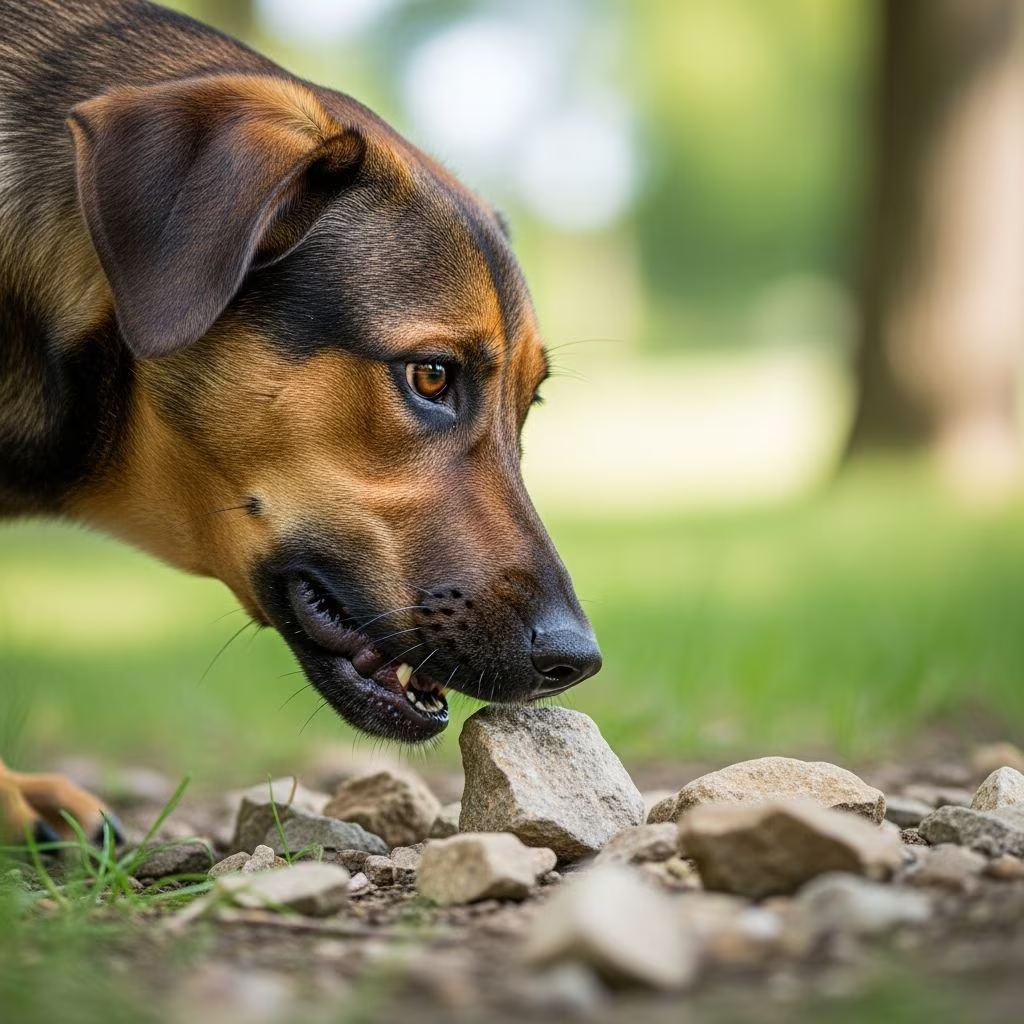
Dogs eating rocks is a common yet concerning behavior that can stem from curiosity, boredom, nutritional needs, medical conditions, or compulsive disorders. Understanding the root cause is essential to prevent serious health risks like dental damage, gastrointestinal blockages, or toxicity.
Is It Normal for Dogs to Eat Rocks?
Occasional mouthing or licking of rocks is normal, especially in puppies exploring their world with their mouths. However, habitual or obsessive rock-eating, known as pica, signals an underlying issue and increases health dangers. Puppies may chew rocks during teething for gum relief, but adults doing so require intervention.
Why Do Dogs Eat Rocks? 9 Common Reasons
Several factors drive this behavior. Here’s a breakdown of the most frequent causes, supported by veterinary insights.
1. Curiosity and Exploration
Dogs are naturally curious, using their mouths to investigate objects. Rocks with food scents, textures, or animal odors attract them. Puppies show focused expressions, perked ears, tilted heads, and forward-leaning postures while exploring.
2. Boredom or Lack of Stimulation
Understimulated dogs, especially those left outdoors with access to gravel, turn to rocks for entertainment. Insufficient physical exercise or mental enrichment leads to destructive habits like rock-chewing.
3. Attention-Seeking
Some dogs learn rock-eating elicits reactions from owners. Even negative attention, like yelling or chasing, reinforces the behavior, as any response is rewarding.
4. Teething (Especially in Puppies)
Puppies chew hard objects to soothe sore gums during teething. Rocks provide temporary relief but pose risks as pups may swallow pieces.
5. Nutritional Deficiencies
Though debated, some sources link rock-eating to nutrient lacks, particularly in unbalanced homemade or raw diets. Dogs may seek minerals from dirt or rocks. Medical issues like parasites, diabetes, anemia, or hyperthyroidism impair nutrient absorption, causing pica. However, veterinarians note no strong evidence directly ties mineral deficiencies to this habit in balanced-diet dogs.
- Diabetes: Causes excessive hunger, increased thirst, and urination.
- Parasites/Worms: Prevent nutrient uptake, leading to weight loss and lethargy.
- Iron Deficiency Anemia: From chronic blood loss like tumors.
6. Compulsive Disorders (Pica)
Pica is an obsessive eating disorder where dogs relentlessly consume non-food items out of context. It’s repetitive, exaggerated, and linked to stress, anxiety, or genetics.
7. Anxiety or Stress
Anxious dogs cope by chewing rocks repetitively. This self-soothing mechanism worsens without addressing the root stress.
8. Instinctual Chewing
Dogs have innate chewing drives to explore and navigate. Without proper toys, rocks become targets due to their smell or texture.
9. Medical or Dental Issues
Underlying conditions causing hunger or discomfort prompt rock ingestion. Dental pain might drive chewing, ironically worsening it.
The Dangers of Dogs Eating Rocks
Rock-eating poses severe risks beyond the behavior itself.
- Dental Damage: Fractured teeth, worn enamel, scraped gums, and mouth sensitivity from hard surfaces.
- Gastrointestinal Blockages: Swallowed rocks cause obstructions, vomiting, pain, and potential surgery.
- Internal Injuries: Sharp edges lacerate the GI tract, leading to bleeding, infection, or perforation.
- Toxicity: Some rocks contain heavy metals or toxins harmful to dogs.
Immediate veterinary attention is needed for symptoms like vomiting, diarrhea, lethargy, abdominal pain, or blood in stool.
How to Stop Your Dog from Eating Rocks
Stopping this habit requires identifying and addressing the cause through management, training, and vet care.
Step 1: Rule Out Medical Causes
Consult a vet for a check-up, including bloodwork, fecal tests for parasites, and dental exam. Treat issues like diabetes or worms promptly.
Step 2: Provide Enrichment and Exercise
Increase daily walks, play, puzzle toys, and chews to combat boredom. Rotate toys for novelty.
- Interactive toys like Kongs filled with treats.
- Mental games: scent work, training sessions.
- At least 30-60 minutes of vigorous exercise daily.
Step 3: Train and Redirect
Use positive reinforcement: “Leave it” command, then reward with treats/toys. Supervise outdoors and remove access to rocks.
Ignore attention-seeking; reward calm behavior instead.
Step 4: Environmental Management
Fence off rocky areas, use gravel-free yards, or muzzles temporarily for safety. Offer safe chews like Nylabones.
Step 5: Behavior Modification for Pica
For compulsive cases, vets may prescribe medication alongside training. Consistency is key.
| Reason | Prevention Strategy | Tools Needed |
|---|---|---|
| Boredom | Enrichment toys, exercise | Puzzle feeders, leashes |
| Attention-Seeking | Ignore + Reward calm | Treats, clicker |
| Pica/Medical | Vet visit + Meds/training | Professional behaviorist |
| Teething | Frozen chews | Puppy teething toys |
When to See a Vet
Seek immediate care if your dog shows obsession, swallowing rocks, or symptoms like persistent vomiting, distended abdomen, or weakness. Routine checks are advised for habitual chewers. Early intervention prevents emergencies.
Frequently Asked Questions (FAQs)
Why does my dog eat rocks but spit them out?
This is often exploratory mouthing from curiosity or teething, not full ingestion. Monitor to prevent swallowing.
Can nutritional supplements stop rock-eating?
Not reliably; no strong evidence links deficiencies directly. Vet diagnosis first, as balanced AAFCO diets suffice for most.
Is rock-eating a sign of worms?
Possibly, as parasites cause malnutrition mimicking deficiencies. Fecal tests confirm.
How do I train my puppy not to eat rocks?
Teach “leave it,” provide teething toys, supervise closely, and redirect positively.
What if my dog ate a rock yesterday?
Watch for vomiting, lethargy, or pain. X-rays may be needed if large; contact vet promptly.
This comprehensive guide equips you to address rock-eating effectively. Prioritize safety, enrichment, and professional advice for your dog’s well-being.
References
- 9 Reasons Your Dog Is Eating Rocks — Rover.com. 2023. https://www.rover.com/blog/why-do-dogs-eat-rocks/
- Do dogs eat rocks because of nutritional deficiencies? — Vetster. 2024. https://vetster.com/en/wellness/do-dogs-eat-rocks-because-of-nutritional-deficiencies
- Why Do Dogs Eat Rocks? — American Kennel Club (AKC). 2023. https://www.akc.org/expert-advice/training/get-dog-to-stop-eating-rocks/
- Why Dogs Eat Rocks (And When It’s an Emergency) — Preventive Vet. 2024. https://www.preventivevet.com/dogs/why-dogs-eat-rocks
- Why Do Dogs Eat Rocks (and How to Prevent It)? — Nylabone. 2023. https://www.nylabone.com/dog101/why-do-dogs-eat-rocks



