

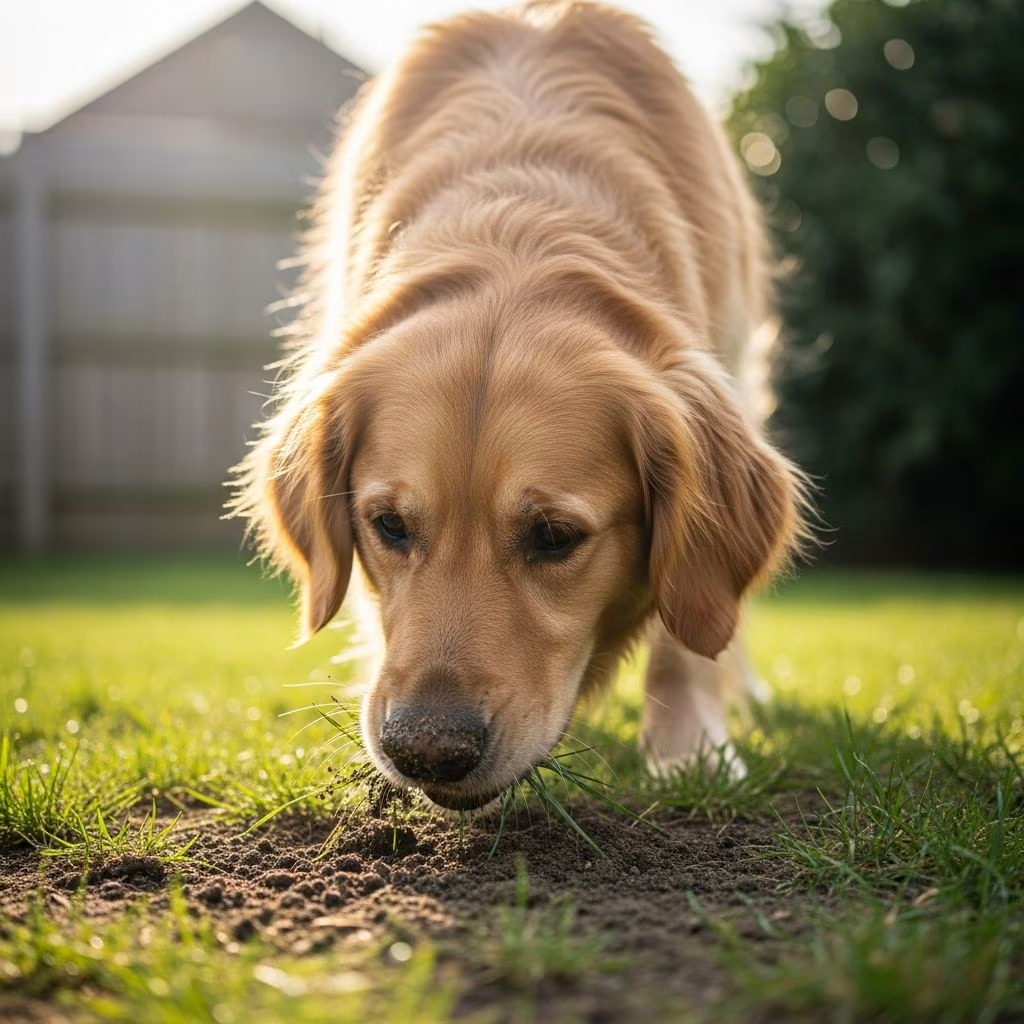
Why Does My Dog Eat Dirt?
If you’ve noticed your dog munching on soil, dirt, or mud, you’re not alone. This behavior, known as pica or more specifically geophagia when it involves eating dirt, is relatively common in dogs and can stem from a variety of causes. While occasional dirt eating might seem harmless, understanding why your dog engages in this behavior is the first step toward addressing it effectively. The reasons can range from nutritional deficiencies and medical conditions to behavioral and environmental factors.
What Is Pica in Dogs?
Pica is a medical term that describes the consumption of non-food items. When a dog specifically eats dirt, mud, or soil, this behavior is called geophagia. Dogs with pica may consume various non-food materials including rocks, grass, sticks, or garbage. This behavior can develop at any age and in any breed, though some dogs are more prone to it than others. Understanding whether your dog’s dirt eating is occasional curiosity or a persistent problem is crucial for determining the appropriate response.
Nutritional Deficiencies and Diet
One of the most common reasons dogs eat dirt is to compensate for nutritional deficiencies in their diet. When a dog’s diet lacks essential minerals, their body may send signals to seek these nutrients elsewhere. The minerals most commonly linked to dirt eating include:
- Iron
- Zinc
- Calcium
- Sodium
This behavior often occurs when dogs are fed low-quality commercial dog food or homemade diets that are not properly balanced. Dogs on alternative diets, particularly homemade meals that lack proper nutritional balance, are at higher risk for developing this habit. Interestingly, this instinct traces back to dogs’ wild ancestors, who would eat dirt to obtain vitamins and minerals missing from their natural diets.
If your dog is consuming a commercial diet with the AAFCO (Association of American Feed Control Officials) statement indicating it’s complete and balanced, nutritional deficiencies should not be the cause. However, consulting with your veterinarian about your dog’s specific dietary needs ensures they’re receiving proper nutrition. In some cases, supplements or a diet change may be necessary to stop this behavior.
Medical Conditions and Health Issues
Beyond nutrition, various medical conditions can trigger dirt-eating behavior in dogs. Understanding these health-related causes is essential for providing appropriate treatment.
Digestive Issues and Gastrointestinal Problems
Dogs with digestive problems may eat dirt in an attempt to self-medicate or soothe their stomachs. When a dog’s digestive system isn’t functioning properly, they might seek out soil to help alleviate discomfort or induce vomiting. This self-medication response can include:
- Trying to induce vomiting to purge something causing distress
- Seeking the binding effect of dirt to temporarily relieve digestive upset
- Attempting to soothe an inflamed gastrointestinal tract
Inflammatory bowel disease (IBD) is a specific condition that can drive dirt-eating behavior. IBD affects the digestive tract, making it harder for dogs to absorb nutrients properly, which then leads them to seek minerals in unconventional places.
Parasites and Infections
Parasitic infestations are a sneaky culprit behind dirt eating in dogs. Soil-dwelling parasites including roundworms, hookworms, capillaria, giardia, and whipworms can infest dogs through contaminated dirt. These parasites cause digestive issues and malnutrition, which paradoxically leads to more dirt eating—creating a problematic cycle that requires veterinary intervention.
Anemia and Other Conditions
Anemia, a condition involving low red blood cell counts, can also trigger dirt-eating behavior. Dogs with anemia may instinctively seek iron-rich soil to address their deficiency. Additionally, other conditions like portosystemic (liver) shunts—abnormal blood vessels that allow blood to bypass the liver—can affect nutrient metabolism and digestion, potentially contributing to pica.
Physical Damage from Dirt Consumption
Beyond the reasons dogs eat dirt, the act itself poses health risks. Sharp particles in soil can damage the stomach and intestinal lining, leading to infections and inflammation. Gastrointestinal blockages from accumulated dirt and rocks are another serious concern. Additionally, dirt may contain pesticides, herbicides, and fertilizers that are toxic if ingested, potentially causing vomiting, diarrhea, neurological issues, tremors, or confusion.
Behavioral and Environmental Factors
Not all dirt eating stems from nutritional or medical causes. Behavioral and environmental factors play a significant role in this habit for many dogs.
Boredom and Lack of Exercise
Dogs lacking adequate physical or mental stimulation often develop undesirable behaviors including dirt eating. Without sufficient exercise or engaging activities, dogs may eat dirt as a way to occupy their time and self-soothe. To address this cause:
- Increase daily exercise with walks, runs, or play sessions
- Provide interactive toys and puzzle feeders
- Rotate toys regularly to maintain novelty
- Consider enrolling in agility classes or dog sports
Stress and Anxiety
Dogs experiencing stress or anxiety may eat dirt as a symptom of their mental health condition. Separation anxiety, changes in routine, or other stressors can trigger this behavior. Addressing anxiety involves:
- Establishing a consistent daily routine
- Using positive reinforcement training techniques
- Providing safe spaces where your dog feels secure
- Considering anxiety-reducing supplements or medications if recommended by your vet
Environmental Triggers
Sometimes the environment itself encourages dirt eating. Dogs may be attracted to specific smells or tastes in soil, particularly if your yard contains certain substances. Common environmental triggers include:
- Chemical fertilizers and pesticides
- Herbicides
- Compost or food waste
- Specific soil compositions or textures
To minimize environmental triggers, limit your dog’s access to treated areas and use pet-safe products in your garden. Be cautious about where your dog spends time, especially near construction sites, heavily landscaped areas, or parks where unknown substances may be present.
Signs That Warrant Veterinary Attention
While occasional dirt eating might not be alarming, certain signs indicate you should consult your veterinarian:
- Frequent or increasing dirt-eating behavior
- Sudden onset of the behavior
- Decreased appetite
- Constipation or irregular bowel movements
- Lethargy or unusual tiredness
- Pale gums (indicating anemia)
- Vomiting or diarrhea
- Weight loss
If your dog exhibits any combination of these symptoms alongside dirt eating, schedule a veterinary appointment promptly. Your vet can perform diagnostic tests to identify underlying health issues and recommend appropriate treatment.
How to Stop Your Dog from Eating Dirt
Addressing your dog’s dirt-eating habit depends on identifying the underlying cause. Here are practical strategies for different situations:
Dietary Solutions
- Switch to a high-quality dog food meeting AAFCO standards
- Consult your vet about dietary supplements if appropriate
- Ensure proper portion sizes to prevent hunger-driven behavior
- If feeding a homemade diet, work with a veterinary nutritionist to ensure balance
Behavioral Management
- Increase daily exercise appropriate for your dog’s age and health
- Provide mental stimulation through training, puzzle toys, and enrichment activities
- Supervise outdoor time and redirect attention when dirt eating begins
- Use positive reinforcement to reward alternative behaviors
Environmental Modifications
- Remove access to contaminated or treated soil areas
- Use pet-safe gardening products
- Keep yard clean of debris, compost, and waste
- Avoid areas with potential toxins or unknown substances
Medical Treatment
- Follow your veterinarian’s recommendations for parasite treatment
- Address underlying digestive conditions with prescribed medications
- Treat anemia or other nutritional deficiencies as identified
- Attend follow-up appointments to monitor progress
Frequently Asked Questions
Q: Is it normal for dogs to eat dirt?
A: Occasional dirt eating is relatively common in dogs, but frequent or persistent behavior warrants investigation. It may indicate nutritional deficiencies, medical issues, or behavioral problems that need addressing.
Q: Can eating dirt make my dog sick?
A: Yes, dirt eating poses several health risks including exposure to parasites, toxins, gastrointestinal blockages, and physical damage to the digestive tract. Contaminated soil with pesticides or sharp objects can cause serious health complications.
Q: What deficiencies cause dogs to eat dirt?
A: The most common mineral deficiencies linked to dirt eating are iron, zinc, calcium, and sodium. A nutritional imbalance or inadequate diet can trigger this behavior as dogs instinctively seek missing nutrients.
Q: How can I prevent my dog from eating dirt?
A: Prevention involves providing a complete and balanced diet, ensuring adequate exercise and mental stimulation, supervising outdoor time, and addressing any underlying medical conditions. Reducing stress and environmental triggers also helps significantly.
Q: Should I take my dog to the vet if they eat dirt?
A: If dirt eating is frequent, sudden, or accompanied by other symptoms like vomiting, diarrhea, or lethargy, veterinary consultation is essential. A vet can rule out medical issues and nutritional deficiencies.
Q: What does it mean if my dog has pale gums and eats dirt?
A: Pale gums combined with dirt eating could indicate anemia. This requires immediate veterinary attention, as anemia affects oxygen delivery throughout your dog’s body and requires proper diagnosis and treatment.
References
- Why Is My Dog Eating Dirt? — Rockdale Animal Hospital. 2024. https://rockanimal.com/articles/dog-eating-dirt
- Why Do Dogs Eat Dirt? Causes, Health Risks, and How to Help — Earthborn Holistic Pet Food. 2024. https://www.earthbornholisticpetfood.com/blog/training-behavioral/why-do-dogs-eat-dirt-causes-health-risks-and-how-to-help/
- Why Do Dogs Eat Dirt? — PetMD. 2024. https://www.petmd.com/dog/behavior/why-do-dogs-eat-dirt
- Why Is My Dog Eating Dirt? — Wellspring Animal Hospital. 2024. https://wellspringvet.net/articles/dog-eating-dirt
- Why Do Dogs Eat Dirt? Is This Normal? — Chewy. 2024. https://www.chewy.com/education/dog/training-and-behavior/why-do-dogs-eat-dirt
- Why Do Dogs Eat Dirt, Mud, and Soil? — Purina US. 2024. https://www.purina.com/articles/dog/health/symptoms/why-do-dogs-eat-dirt
- Why Does My Dog Eat Dirt? — American Kennel Club. 2024. https://www.akc.org/expert-advice/health/why-does-my-dog-eat-dirt/



