

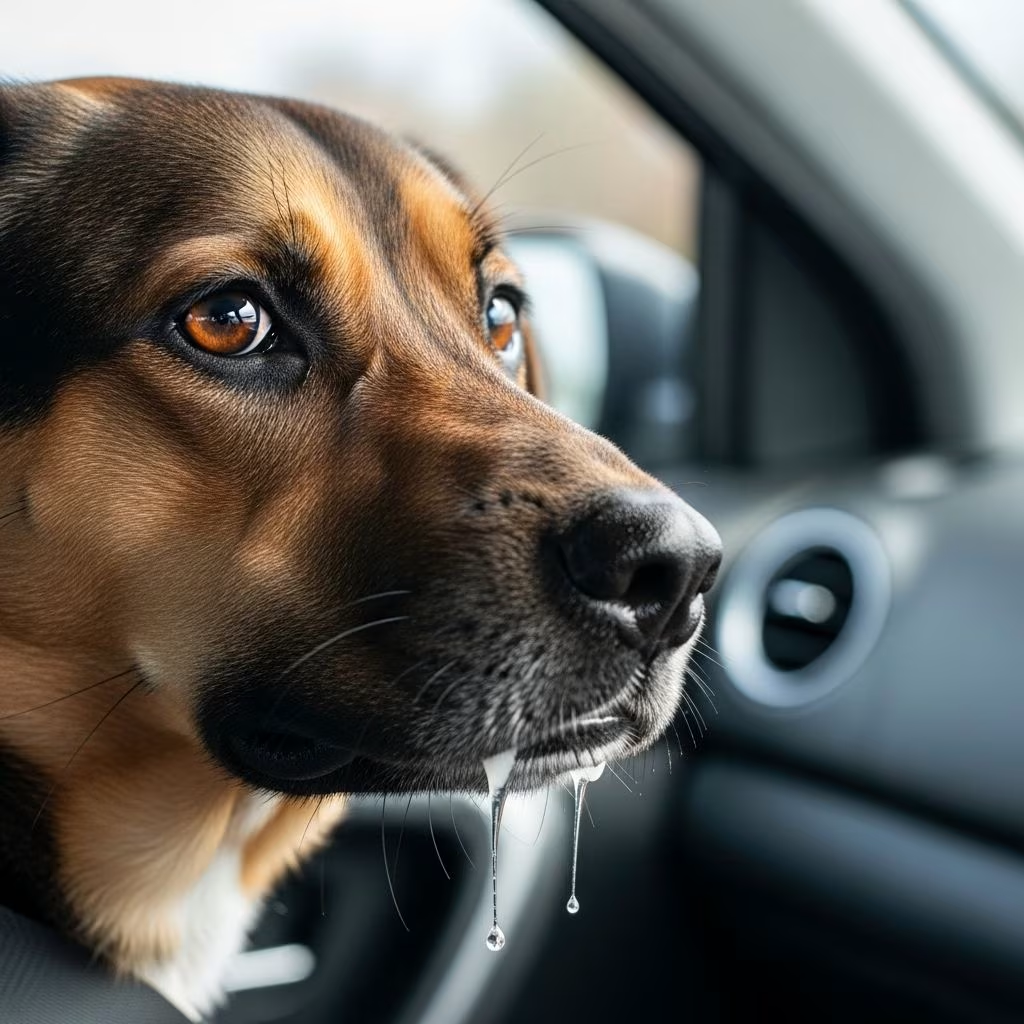
Many dog owners face the messy reality of excessive drooling during car trips. This common issue stems primarily from motion sickness, where the inner ear’s balance system conflicts with visual cues, triggering nausea and hypersalivation. Dogs may pant, lick lips, or pace alongside the drool, signaling discomfort that resolves post-ride.
Decoding the Physiology of Drooling During Travel
Drooling, or hypersalivation (ptyalism), occurs when salivary glands overproduce saliva due to stimulation. In cars, the vestibular system detects motion while stationary visuals confuse the brain, mimicking nausea responses seen in humans. This activates the parasympathetic nervous system, ramping up saliva to prepare for potential vomiting. Breeds like Bulldogs or Pugs, with short snouts, experience amplified effects from restricted airways.
Normal drooling aids digestion and mouth health, but car-induced excess points to sensory overload. Puppies adapt better as their systems mature, while older dogs may worsen with age-related balance decline.
Top Triggers for Road Trip Slobber
- Motion Sickness: The leading culprit, affecting up to 80% of young dogs initially, fading with exposure. Symptoms include lip smacking and whining.
- Anxiety and Stress: Fear of unfamiliar routes or past traumas prompts adrenaline-fueled drool.
- Anticipation or Excitement: Viewing car rides as fun outings can overstimulate glands.
- Environmental Factors: Heat buildup or poor ventilation exacerbates panting and saliva.
Distinguishing Normal from Problematic Drooling
Brief, ride-only drool is typically benign, ceasing upon stopping. Monitor for persistence beyond the trip or additional signs like vomiting, which may indicate deeper issues. Table below compares scenarios:
| Scenario | Symptoms | Action Needed |
|---|---|---|
| Mild Motion Sickness | Drool + lip licking during motion | Desensitization training |
| Anxiety-Driven | Drool + whining/pacing | Calming aids, vet consult |
| Health-Related | Drool + vomiting/lethargy | Immediate vet visit |
| Heat-Related | Drool + rapid panting/collapse | Emergency cooling/care |
Use this guide to assess quickly; bloody saliva or swelling demands urgent care.
Health Conditions Mimicking Car Drool
Not all vehicle drool is travel-exclusive. Oral problems like fractured teeth, gum disease, or foreign objects cause constant buildup. Nausea from GI upset or toxins amplifies saliva. Serious emergencies include:
- Bloat (GDV): Distended belly + retching
- Poisoning: Neurological signs + drool
- Heatstroke: Red gums + weakness
Breed predispositions matter; large, deep-chested dogs risk bloat. Always rule out these via vet exam if drool lingers.
Practical Fixes for Drool-Free Drives
Start desensitization early: Short, positive trips with treats build tolerance. Feed lightly pre-ride to minimize nausea.
Positioning and Comfort Tips
- Secure in a crash-tested crate or harness for stability.
- Front-seat view reduces disorientation.
- AC on high for cool air.
Medications and Supplements
Vet-prescribed anti-nausea like Cerenia blocks motion signals effectively. Natural aids: Ginger chews or acupressure bands show anecdotal success. Avoid OTC human meds due to toxicity risks.
Training Your Dog for Happy Highways
Counter-conditioning pairs rides with joy: Engine on = treats, no movement. Gradually extend duration. Consistency over weeks yields calm travelers. Professional trainers help anxious cases.
When to Escalate to Professional Help
Seek vet if drool accompanies blood, swelling, collapse, or refusal to eat. Diagnostics may include dental X-rays or bloodwork. Emergency signs: Pawing mouth, breathing distress.
FAQs: Dog Car Drooling Essentials
Why does my dog drool only in the car?
Primarily motion sickness from vestibular-visual mismatch; anxiety secondary.
Can puppies outgrow car drooling?
Yes, most do by 1 year as balance matures.
Is car drool a sign of poisoning?
Possible if paired with vomiting/diarrhea; check recent exposures.
How to clean car after dog drool?
Enzyme cleaners neutralize saliva; towels prevent messes.
Are there breeds immune to car sickness?
No, but brachycephalics suffer more.
Breed-Specific Insights on Travel Tolerance
Short-nosed breeds (e.g., Frenchies) amplify nausea from airway limits. Herding types may drool from excitement. Giants like Great Danes risk bloat during stress. Tailor strategies per breed.
Long-term, habituated dogs enjoy outings slobber-free, enhancing bonding.
References
- Why is My Dog Drooling So Much? — Trinity Veterinary Hospital. 2023. https://trinityveterinaryhospital.com/blog/why-is-my-dog-drooling-so-much/
- Is Excessive Drooling in Dogs an Emergency? — Focused Pet Care. 2024. https://focusedpetcare.com/emergency-vet-in-jacksonville-fl/is-excessive-drooling-in-dogs-an-emergency/
- Dog Drooling: When is it an Emergency? — VEG ER for Pets. 2023. https://www.veg.com/post/dog-drooling
- Dog Drooling: When Is It Cause for Concern? — American Kennel Club. 2024-01-15. https://www.akc.org/expert-advice/health/why-do-dogs-drool/
- Beyond the Slobber: Why Your Dog Won’t Stop Drooling — Harlingen Veterinary Clinic. 2023. https://harlingenveterinaryclinic.com/blog/dog-drooling-constantly/
- Why is my dog drooling in the car? — WagWalking. 2021-10-22. https://wagwalking.com/symptom/why-is-my-dog-drooling-in-the-car
- Carsickness and Motion Sickness in Dogs — Small Door Veterinary. 2024. https://www.smalldoorvet.com/learning-center/wellness/carsickness-dogs



