

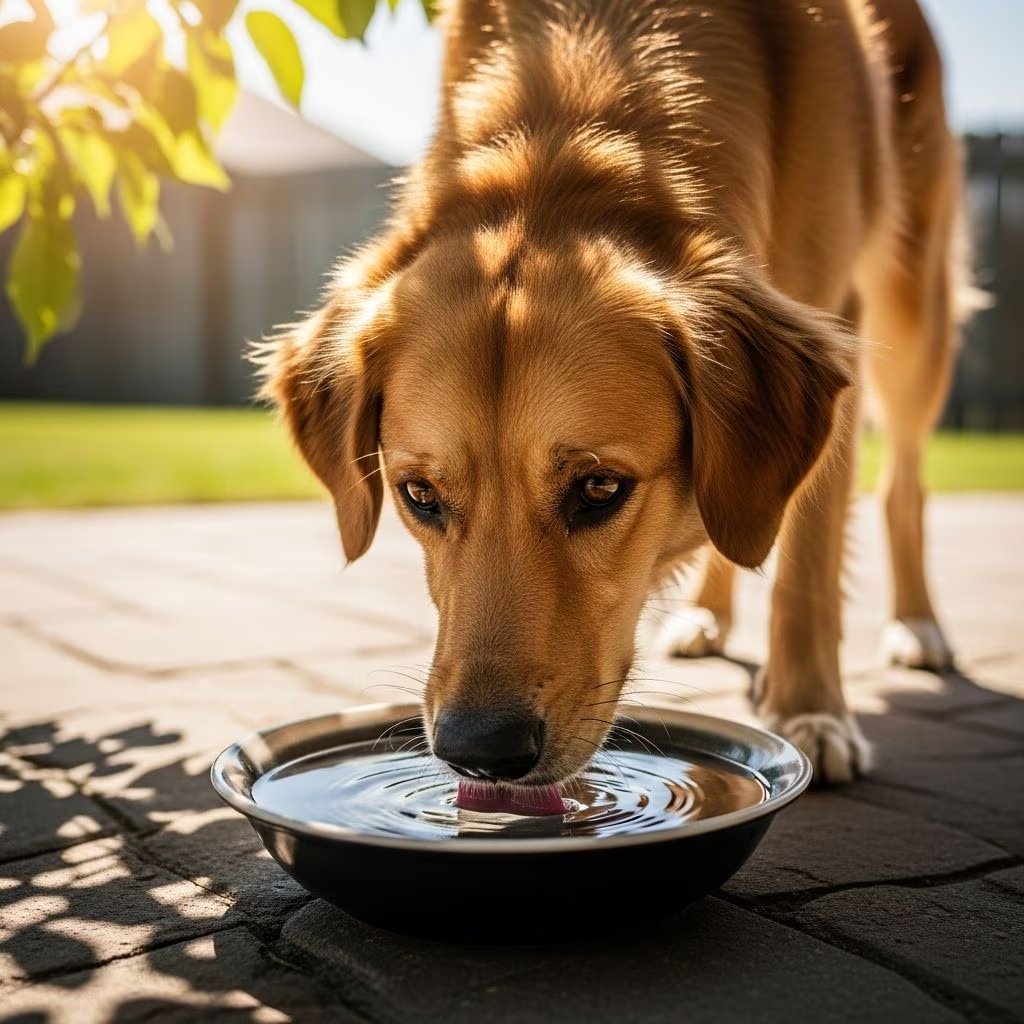
Why Does My Dog Drink So Much Water?
If you’ve noticed your dog consuming water more frequently than usual, you’re not alone in experiencing this concern. Excessive thirst in dogs, medically known as polydipsia, can range from a simple behavioral habit to a sign of a serious underlying health condition. Understanding the reasons behind your dog’s increased water intake is essential for maintaining their health and wellbeing. This guide explores the common causes, warning signs, and when professional veterinary care becomes necessary.
How Water Balance Works in Dogs
To understand why dogs drink excessively, it’s helpful to know how their bodies normally regulate water intake and loss. Water balance in dogs is tightly controlled through a sophisticated system involving the brain, kidneys, and hormones. When a dog lacks sufficient water intake or experiences excessive water loss through urination, the pituitary gland releases a hormone called anti-diuretic hormone (ADH), also known as vasopressin. ADH signals the kidneys to conserve water and produce more concentrated urine, reducing overall fluid loss. Simultaneously, the thirst center in the brain is stimulated, encouraging the dog to drink more water. This elegant system normally maintains perfect hydration balance. However, when this regulatory mechanism fails—due to kidney damage, hormonal imbalances, or other medical conditions—excessive drinking can result.
Medical Causes of Excessive Thirst in Dogs
Kidney Disease
Kidney disease is one of the most common medical reasons for excessive drinking in dogs. The kidneys play a crucial role in filtering waste products from the blood and regulating fluid levels throughout the body. When the kidneys aren’t functioning properly, they lose their ability to concentrate urine effectively. This failure means more water is lost in urine, causing dehydration and triggering increased thirst as the dog attempts to compensate. Beyond excessive drinking, dogs with kidney disease often experience increased urination, weight loss, vomiting, lethargy, and loss of appetite. Early detection through blood work and urinalysis is vital, as dietary management and monitoring can help slow the disease’s progression and maintain your dog’s quality of life.
Diabetes Mellitus
Diabetes mellitus, or sugar diabetes, represents another significant medical cause of polydipsia in dogs. In this condition, the body cannot properly regulate blood glucose levels, leading to elevated glucose in the bloodstream. The kidneys attempt to filter out this excess glucose, but in doing so, they draw water with it, resulting in increased urination. To compensate for fluid loss, affected dogs develop increased thirst. Alongside excessive drinking, diabetic dogs typically exhibit increased urination, increased appetite despite weight loss, and lethargy. Without treatment, untreated diabetes can progress to a potentially fatal condition called diabetic ketoacidosis, characterized by weakness, abnormal breath odor, vomiting, and diarrhea. If you suspect diabetes, immediate veterinary care is essential for blood glucose testing and insulin therapy initiation.
Cushing’s Disease (Hyperadrenocorticism)
Cushing’s disease occurs when the adrenal glands produce excessive amounts of cortisol, the body’s stress hormone. Elevated cortisol levels interfere with the kidney’s ability to concentrate urine and block other hormones from functioning properly, resulting in excessive urination and compensatory increased drinking. Dogs with Cushing’s disease often display a characteristic pot-bellied appearance, excessive panting, thin skin, hair loss, and increased hunger. The condition develops more commonly in older dogs and may be diagnosed through clinical observation of symptoms combined with specific blood and urine tests. While Cushing’s disease doesn’t always require immediate medical intervention, proper diagnosis and management can significantly improve your dog’s comfort and lifespan.
Liver Disease
The liver plays essential roles in regulating hydration and metabolism. When liver disease develops, the organ’s compromised function can lead to excessive thirst alongside other concerning symptoms. Dogs with liver disease may experience jaundice (yellowing of the skin or eyes), vomiting, poor appetite, and weight loss. Liver disease can result from infections, toxin exposure, or congenital conditions. Because the liver is vital for numerous bodily functions, liver disease requires prompt veterinary diagnosis and treatment to prevent life-threatening complications.
Urinary Tract Infections (UTIs)
Urinary tract infections cause inflammation and irritation of the bladder, which can stimulate increased drinking behavior. Beyond excessive thirst, dogs with UTIs typically strain to urinate, have accidents in the house despite being house-trained, and excessively lick their genital area. UTIs are usually straightforward to treat with antibiotics, but they should be addressed promptly to prevent the infection from ascending to the kidneys, where it could cause more serious complications. If you notice these signs, a simple urinalysis can confirm the diagnosis.
Pyometra
Pyometra is a life-threatening infection of the uterus that occurs in female dogs that haven’t been spayed. Bacterial toxins released into the bloodstream disrupt the kidney’s ability to retain urine, leading to excessive urination and compensatory drinking. Dogs with pyometra often show pus discharge from the vulva, fever, lethargy, appetite changes, and vomiting. This condition is fatal if left untreated, as the infection can spread throughout the body causing sepsis. Any signs of pyometra warrant immediate emergency veterinary care.
Electrolyte Imbalances
Sodium and potassium imbalances can significantly affect water regulation in dogs. Sodium naturally draws water toward it, and if the balance between sodium and potassium becomes disrupted, the kidneys cannot properly hold or store water. This leads to increased urination and thirst. Electrolyte imbalances can result from dehydration, high-sodium meals, certain toxins, or underlying medical conditions. Signs include vomiting, diarrhea, lethargy, loss of appetite, weakness, and neurologic symptoms such as circling, falling over, or seizures. These symptoms demand immediate veterinary attention.
Environmental and Behavioral Factors
Heat and Exercise
Sometimes excessive drinking has nothing to do with disease. Dogs naturally require more water during hot weather or after vigorous exercise, just as humans do. When your dog pants excessively to cool down or loses water through panting during play, they will need to replace that fluid by drinking more water. This is normal and expected behavior. However, if your dog shows signs of actual heatstroke—including drooling, extreme lethargy, restlessness, nausea, loss of appetite, vomiting, diarrhea, or breathing difficulties—move them to a cool environment immediately and contact a veterinarian, as heatstroke is a medical emergency.
Dehydration
Paradoxically, dehydration itself can cause dogs to drink more water as their bodies attempt to rehydrate. Dehydration can result from vomiting, diarrhea, fever, or insufficient water availability. If dehydration occurs rapidly, it can lead to heatstroke, another medical emergency. If your dog is dehydrated, move them to a cool location and offer water, but avoid forcing them to drink as this causes stress. If symptoms don’t improve, contact your veterinarian for assessment and potential fluid therapy.
Gastrointestinal Issues
Vomiting or diarrhea can lead to dehydration, causing your dog to drink more water to compensate. However, if your dog drinks too much water at once, it can paradoxically trigger more vomiting or regurgitation. If gastrointestinal signs are frequent, severe, or persistent, seek veterinary care to address the underlying cause and prevent complications.
Dry Air and Environmental Factors
Indoor heating during winter months can dry out the air in your home, causing your dog to drink more water to compensate. You may notice your dog drinking more noticeably at night when heating is running. Using a humidifier in areas where your dog spends time can help alleviate this behavior. Additionally, dogs that don’t have consistent access to water throughout the day—such as those crated during work hours without a water bowl—will naturally drink more when water finally becomes available.
Anxiety, Stress, and Boredom
Dogs sometimes develop compulsive behaviors, including excessive drinking, as a response to underlying anxiety, stress, or boredom. Some dogs may compulsively drink water when anxious or when they don’t receive sufficient mental stimulation and playtime. While this behavior sometimes stems from psychological rather than medical causes, it can still become problematic if it leads to water intoxication or disrupts your dog’s normal routine. If you suspect anxiety or compulsive behavior, providing increased affection, playtime, and mental enrichment activities may help. If the behavior persists or seems out of control, consult your veterinarian to rule out medical causes and discuss potential behavioral interventions.
High-Sodium Diet
Dogs fed high-sodium treats or food, particularly at night, may experience increased thirst as their bodies attempt to dilute the sodium concentration in the bloodstream. Evaluating your dog’s diet and treating choices can help identify whether dietary sodium might be contributing to excessive drinking.
When to Seek Veterinary Care
While some causes of excessive drinking are benign, others indicate serious health conditions requiring professional evaluation. You should contact your veterinarian promptly if your dog’s excessive thirst is accompanied by any of the following warning signs:
- Increased urination or changes in urination patterns
- Sudden or rapid weight loss
- Vomiting or diarrhea
- Lethargy, weakness, or disorientation
- Changes in appetite
- Severe panting or respiratory distress
- Abnormal behavior or demeanor changes
- Visible signs of discomfort or pain
Additionally, consider when your dog’s drinking pattern changed. Did the increase happen suddenly or gradually over weeks? Has there been a recent change in diet, environment, or activity level that might explain the increase? Answering these questions will help your veterinarian make an accurate diagnosis.
Diagnostic Process and Veterinary Examination
When you bring your dog to the veterinary clinic, your vet will perform a thorough physical examination and ask detailed questions about your dog’s medical history, current symptoms, and recent changes. Most cases of excessive drinking require diagnostic testing, which typically includes blood work and urinalysis. Blood tests can reveal abnormalities in kidney function, liver function, glucose levels, calcium levels, and hormone levels. Urinalysis can detect infections, glucose in urine, kidney disease indicators, and electrolyte abnormalities. In some cases, additional imaging such as ultrasound may be recommended to visualize internal organs and check for abnormalities. These diagnostic tests are essential for identifying the underlying cause of polydipsia and determining the appropriate treatment.
Treatment Options
Treatment for excessive drinking depends entirely on the underlying cause. For infectious conditions like UTIs or pyometra, antibiotics or surgical intervention may be necessary. Endocrine disorders like diabetes require insulin therapy or other medications. Kidney disease management focuses on dietary modification and supportive care. Cushing’s disease may be managed with medication to reduce cortisol production. Electrolyte imbalances require correction of the underlying cause and careful monitoring. For behaviorally-based excessive drinking, environmental modifications and increased mental and physical enrichment can help. Your veterinarian will develop a specific treatment plan tailored to your dog’s individual diagnosis and needs.
Frequently Asked Questions
Q: How much water should a healthy dog drink daily?
A: Healthy adult dogs typically drink between 0.5 to 1 ounce of water per pound of body weight daily. A 50-pound dog should drink approximately 25 to 50 ounces (roughly 3 to 6 cups) per day, though this varies based on diet, activity level, and climate. Consult your veterinarian about what’s normal for your specific dog.
Q: Can excessive drinking lead to water intoxication in dogs?
A: Yes, water intoxication (hyponatremia) can occur if a dog drinks excessive amounts of water without compensatory sodium intake. This is rare but serious and can cause neurologic symptoms. If you suspect water intoxication, seek emergency veterinary care immediately.
Q: Is excessive drinking always a sign of serious disease?
A: Not necessarily. Excessive drinking can result from benign causes like hot weather, exercise, or dietary factors. However, when accompanied by other symptoms or when it represents a sudden change from your dog’s normal behavior, it warrants veterinary evaluation to rule out serious underlying conditions.
Q: How is kidney disease in dogs treated?
A: Kidney disease management depends on severity. Early-stage kidney disease may require only dietary changes to reduce stress on the kidneys and monitoring through regular blood work. More advanced cases may require hospitalization, medications, fluid therapy, and specialized renal diets. Your veterinarian will recommend the appropriate approach for your dog’s stage of disease.
Q: Can diet changes help reduce excessive drinking?
A: In some cases, yes. If excessive drinking is diet-related (such as high-sodium foods), reducing dietary sodium can help. For dogs with kidney disease or diabetes, specialized therapeutic diets prescribed by your veterinarian can support management and potentially reduce excessive thirst. However, diet changes should always be made under veterinary guidance.
References
- Polydipsia in Dogs and Cats (Increased Drinking) Fact Sheet — Vet Specialists UK. 2024. https://www.vetspecialists.co.uk/fact-sheets-post/polydipsia-in-dogs-and-cats-increased-drinking-fact-sheet/
- Why Won’t My Dog Stop Drinking Water? — Frontier Vet Urgent Care. 2024. https://frontierveturgentcare.com/blog/dog-wont-stop-drinking-water/
- Why Is My Dog Drinking a Lot of Water? — PetMD. 2024. https://www.petmd.com/dog/symptoms/why-is-my-dog-drinking-a-lot-of-water
- Why is Your Dog Drinking Lots of Water? — Purina US. 2024. https://www.purina.com/articles/dog/health/symptoms/why-is-my-dog-drinking-a-lot-of-water
- Why Is My Dog Drinking So Much Water? — Pet Townsend Veterinary Clinic. 2024. https://pettownsendvet.com/blog/why-is-my-dog-drinking-so-much-water/
- Why Is My Dog Drinking So Much Water? — Peak Veterinary. 2024. https://www.peakveterinary.com/blog/why-is-my-dog-drinking-so-much-water



