

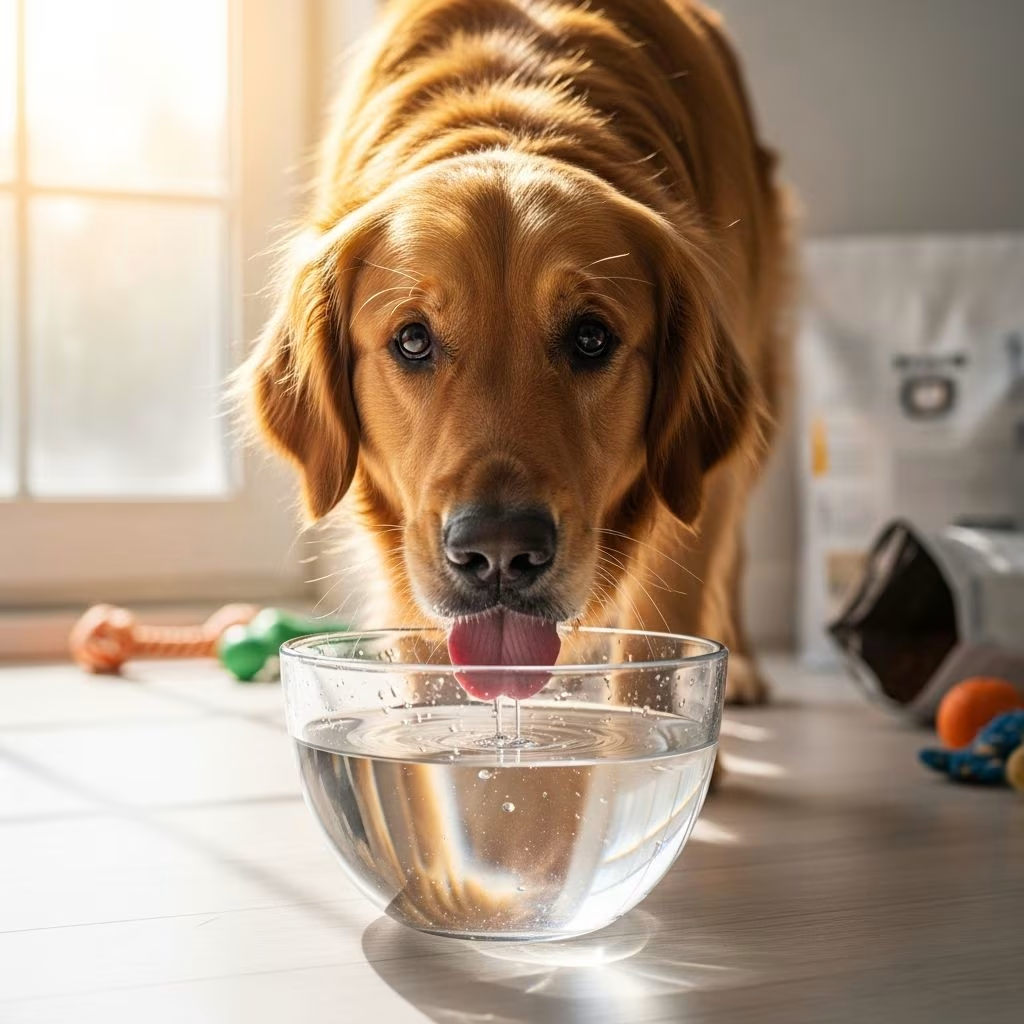
Why Does My Dog Drink So Much Water?
If you’ve noticed your dog drinking more water than usual, you may be wondering what’s causing this change in behavior. While increased thirst can sometimes be perfectly normal, excessive water consumption may also signal an underlying health issue that requires veterinary attention. Understanding the reasons behind your dog’s increased drinking habits is essential for maintaining their health and well-being.
Excessive thirst in dogs, medically known as polydipsia, occurs when a dog drinks significantly more water than is typical for their age, size, and activity level. This condition can stem from various causes, ranging from simple environmental factors to serious medical conditions. The key is learning to distinguish between normal drinking behavior and drinking patterns that warrant a trip to your veterinarian.
How Much Water Should Your Dog Drink?
Before determining whether your dog is drinking too much, it’s helpful to understand normal water intake for dogs. Generally, a healthy dog drinks approximately one ounce of water per pound of body weight each day. For example, a 50-pound dog should drink about 50 ounces or roughly 6-8 cups of water daily. However, this baseline can vary depending on factors such as climate, activity level, diet, and individual metabolism.
Water intake naturally increases during hot weather, after exercise, or when a dog’s diet consists primarily of dry kibble rather than wet food. Understanding these normal fluctuations helps you identify when your dog’s drinking truly becomes excessive and abnormal.
Medical Causes of Excessive Thirst in Dogs
Several medical conditions can trigger increased water consumption in dogs. Recognizing these potential health issues is crucial for early detection and treatment. Here are the most common medical causes:
Diabetes Mellitus
Diabetes is one of the most frequent causes of excessive thirst and urination in dogs. In this condition, the body cannot properly regulate blood sugar levels, causing the kidneys to filter excess glucose into the urine. This process draws additional water into the urine, leading to increased urination and subsequent increased thirst as the dog attempts to rehydrate. Dogs with diabetes often exhibit symptoms including weight loss despite increased appetite, lethargy, and changes in appetite patterns. If left untreated, diabetes can progress to a life-threatening condition called diabetic ketoacidosis, characterized by abnormal breath odor, vomiting, and severe lethargy.
Kidney Disease and Kidney Failure
The kidneys play a critical role in filtering waste from the blood and regulating fluid balance throughout the body. When the kidneys aren’t functioning properly, they lose their ability to concentrate urine efficiently. This causes increased urination as toxins draw excess water through the filtration process. The resulting dehydration triggers your dog to drink more water to compensate. Dogs with kidney disease often experience vomiting, lethargy, loss of appetite, weight loss, and an unusual odor to their breath. Kidney failure ranges in severity, and early detection through veterinary screening can help manage the condition and improve your dog’s quality of life.
Cushing’s Disease (Hyperadrenocorticism)
Cushing’s disease occurs when the adrenal glands produce excessive amounts of cortisol, a stress hormone. Elevated cortisol levels interfere with the kidneys’ ability to concentrate urine, resulting in increased urination and subsequent increased thirst. This hormonal imbalance produces several distinctive symptoms including a pot-bellied appearance, excessive panting, hair loss, thin skin, and increased hunger. Cushing’s disease is often diagnosed based on the presence of these characteristic symptoms, and while it doesn’t always require immediate medical intervention, early diagnosis helps manage the condition effectively.
Liver Disease
The liver helps regulate hydration and metabolism throughout the body. When liver function becomes compromised, excessive thirst can develop alongside other symptoms such as jaundice (yellowing of the skin or eyes), vomiting, and poor appetite. Liver disease can result from infections, toxins, or congenital conditions. Early detection through blood work is essential for managing liver disease and preventing further complications.
Urinary Tract Infections (UTIs)
Urinary tract infections cause inflammation and irritation of the bladder, which can trigger increased water consumption. Dogs with UTIs often exhibit additional signs including straining to urinate, accidents in the house, and excessive licking of the genital area. UTIs are typically treated with antibiotics and should be addressed promptly to prevent the infection from progressing to more serious complications like bladder or kidney infections.
Pyometra
This life-threatening condition is an infection of the uterus in female dogs that have not been spayed. Bacterial toxins released into the bloodstream affect the kidney’s ability to retain urine, leading to increased urination. Dogs compensate by drinking more water. Pyometra often presents with additional symptoms such as pus discharge from the vulva, fever, lethargy, appetite changes, and vomiting. This condition is fatal if left untreated due to sepsis spreading throughout the body, making immediate veterinary care essential.
Electrolyte Imbalances
Sodium or salt imbalances can lead to increased thirst and urination in dogs. Sodium draws water molecules, and when electrolyte balance is disrupted, the kidneys cannot properly store and regulate water. Dehydration, high-sodium meals, certain toxins, and various medical conditions can cause these imbalances. Warning signs include vomiting, diarrhea, lethargy, weakness, and neurological symptoms such as circling or loss of coordination.
Environmental and Behavioral Causes
Not all cases of excessive drinking stem from medical conditions. Environmental factors and behavioral issues can also contribute to increased water consumption:
Hot Weather and Exercise
Just like humans, dogs naturally drink more water during hot weather or after physical activity. When dogs lose water through excessive panting or sweating through their paw pads, they drink more to replace lost fluids. This is normal compensatory behavior and typically not cause for concern unless accompanied by signs of heatstroke such as drooling, severe lethargy, restlessness, vomiting, or breathing difficulties.
Dry Air
Indoor heating during winter months can significantly dry out the air in your home, increasing your dog’s thirst. You may notice your dog drinks more water at night when heating systems are actively running. Using a humidifier in areas where your dog spends time can help alleviate this environmental effect.
Diet Changes
Dogs eating primarily dry kibble naturally drink more water than dogs consuming wet food, which has higher moisture content. Any sudden change in diet can temporarily affect water intake. Additionally, high-sodium treats or meals fed at night may increase nighttime drinking.
Insufficient Water Access
If your dog is crated during the day without access to a water bowl, they may drink excessively when finally given the opportunity. Ensuring constant access to fresh water throughout the day prevents compensatory drinking.
Anxiety, Stress, and Boredom
Dogs experiencing anxiety, stress, or boredom may develop compulsive drinking behaviors. Some dogs develop obsessive-compulsive tendencies that include excessive water consumption. Providing adequate affection, playtime, mental stimulation, and exercise can help reduce stress-related drinking behaviors. If your dog seems to be drinking excessively without apparent physical cause, behavioral interventions and environmental enrichment may be necessary.
Cognitive Dysfunction
Older dogs experiencing cognitive dysfunction or canine dementia may display changes in drinking habits as part of general behavioral changes. This age-related condition requires veterinary assessment and management.
When to Contact Your Veterinarian
Sudden or excessive thirst is not always normal and may indicate a serious health issue requiring professional evaluation. Schedule a veterinary appointment if your dog displays any of the following warning signs:
- Sudden increase in water intake
- Increased urination or accidents in the house
- Weight loss despite normal or increased appetite
- Vomiting or diarrhea
- Lethargy or weakness
- Changes in appetite (increased or decreased)
- Abnormal breath odor
- Hair loss or skin changes
- Severe panting or respiratory distress
- Disorientation or behavioral changes
What to Expect at the Veterinary Clinic
When you bring your dog to the veterinarian for excessive thirst, expect a thorough examination that may include blood work and urinalysis. These diagnostic tests can reveal underlying conditions such as diabetes, kidney disease, liver disease, electrolyte imbalances, and infections. Your veterinarian will also take a detailed history about when the drinking started, whether it was sudden or gradual, and what other symptoms your dog is experiencing.
Providing specific information about your dog’s drinking patterns helps your veterinarian narrow down the potential causes. Note whether your dog’s increased thirst coincides with environmental changes, diet modifications, or other behavioral changes.
Managing Excessive Thirst at Home
While awaiting veterinary diagnosis or following treatment recommendations, several strategies can help manage your dog’s water consumption:
- Monitor water intake: Track how much water your dog drinks daily to provide accurate information to your veterinarian
- Ensure fresh water availability: Provide constant access to clean, fresh water throughout the day
- Avoid excessive salt: Limit high-sodium treats and maintain a balanced diet
- Increase humidity: Use a humidifier during dry months to reduce environmental triggers
- Provide mental stimulation: Offer toys, puzzles, and regular playtime to prevent boredom-related drinking
- Control temperature: Ensure your dog has access to cool areas during hot weather
Frequently Asked Questions
Q: How can I tell if my dog is drinking too much water?
A: Compare your dog’s water intake to the general guideline of one ounce per pound of body weight daily. If your dog is drinking significantly more than this baseline and the increase is sudden or accompanied by other symptoms, contact your veterinarian. Keep a water intake log to provide accurate information.
Q: Can anxiety cause excessive drinking in dogs?
A: Yes, anxiety, stress, and boredom can trigger compulsive drinking behaviors in dogs. Providing adequate exercise, mental stimulation, and positive attention can help address stress-related excessive thirst. However, always rule out medical causes first with your veterinarian.
Q: Is it normal for dogs to drink more water in summer?
A: Yes, increased water consumption during hot weather is normal and expected. Dogs drink more to compensate for water loss through panting and to maintain proper hydration. This becomes concerning only if your dog shows signs of heatstroke such as severe lethargy, vomiting, or breathing difficulties.
Q: What should I do if my dog drinks too much water and vomits?
A: Drinking too much water rapidly can cause regurgitation or vomiting. However, if vomiting is frequent, severe, or persistent, seek veterinary care immediately as this combination suggests an underlying medical condition requiring diagnosis and treatment.
Q: Can diet affect how much water my dog drinks?
A: Yes, diet significantly affects water consumption. Dogs eating dry kibble drink more water than those eating wet food with higher moisture content. Sudden diet changes can temporarily alter drinking patterns. High-sodium foods also increase thirst.
Q: Is water intoxication a real concern for dogs that drink excessively?
A: Yes, compulsive drinking can potentially lead to water intoxication, a serious condition where excessive water intake causes dangerous electrolyte imbalances. If you suspect compulsive drinking, contact your veterinarian to discuss behavioral interventions and medical evaluation.
Q: How is excessive thirst treated?
A: Treatment depends on the underlying cause. Medical conditions require specific treatments ranging from antibiotics for infections to insulin therapy for diabetes or diet modifications for kidney disease. Behavioral causes may require environmental changes and stress management strategies.
Conclusion
Excessive thirst in dogs warrants attention, as it can indicate anything from simple environmental factors to serious medical conditions. By understanding the various causes of increased water consumption and recognizing warning signs, you can help ensure your dog receives appropriate care. When in doubt, consult your veterinarian for a thorough evaluation and proper diagnosis. Early detection and treatment of underlying conditions can significantly improve your dog’s health outcomes and quality of life.
References
- Polydipsia in Dogs and Cats (Increased Drinking) Fact Sheet — Veterinary Specialists UK. https://www.vetspecialists.co.uk/fact-sheets-post/polydipsia-in-dogs-and-cats-increased-drinking-fact-sheet/
- Why Is My Dog Drinking a Lot of Water? — PetMD. https://www.petmd.com/dog/symptoms/why-is-my-dog-drinking-a-lot-of-water
- Why Is Your Dog Drinking Lots of Water? — Purina US. https://www.purina.com/articles/dog/health/symptoms/why-is-my-dog-drinking-a-lot-of-water
- Why Won’t My Dog Stop Drinking Water? — Frontier Vet Urgent Care. https://frontierveturgentcare.com/blog/dog-wont-stop-drinking-water/
- Why Is My Dog Drinking So Much Water? — Pet Townsend Veterinary Clinic. https://pettownsendvet.com/blog/why-is-my-dog-drinking-so-much-water/
- Why Is My Dog Drinking So Much Water? — North Kenny Veterinary Clinic. https://northkennyvet.com/blog/dog-drinking-so-much-water/
- Why Is My Dog Drinking So Much Water? — Peak Veterinary. https://www.peakveterinary.com/blog/why-is-my-dog-drinking-so-much-water



