

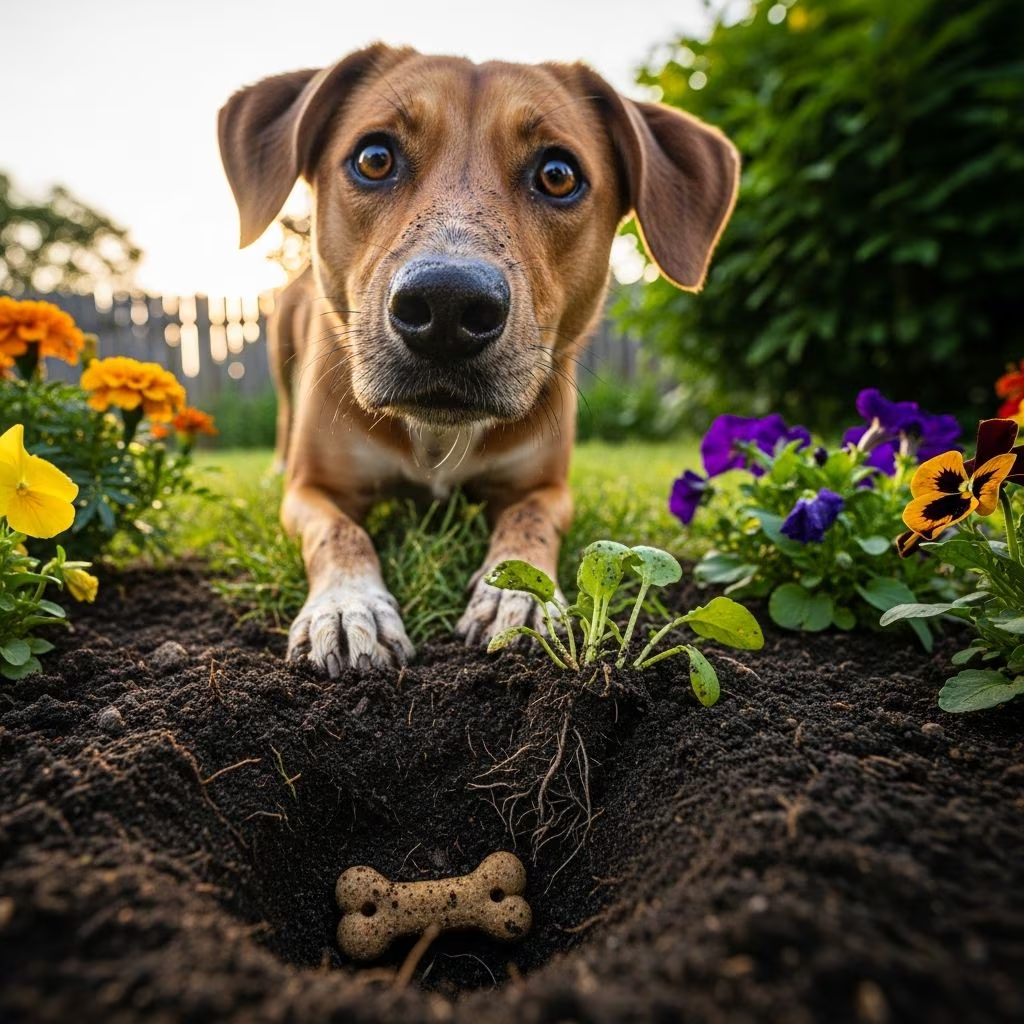
Dogs burying treats in the garden is a common and intriguing behaviour that puzzles many pet owners. This habit, often seen as messy or puzzling, is deeply rooted in canine instincts passed down from wild ancestors. Whether your dog is stashing away bones, toys, or favourite treats under the soil, understanding the ‘why’ behind it can help you respond appropriately without frustration. In this comprehensive guide, we’ll explore the evolutionary, psychological, and environmental factors driving this action, backed by insights from animal behaviour experts. From survival strategies to signs of anxiety, we’ll cover all angles and provide actionable advice to manage it.
Instinctive Behaviour from Wild Ancestors
The primary reason dogs bury treats traces back to their wolf-like forebears. Wild canids, including wolves and feral dogs, practised ‘caching’—hiding surplus food to consume later during scarcity. This ensured survival in unpredictable environments where meals weren’t guaranteed. Domestic dogs retain this hardwired instinct, even in homes with consistent feeding schedules.
Burying also served practical purposes: the cool, moist earth acted as a natural refrigerator, preserving meat by slowing decomposition and protecting it from scavengers. Your garden becomes the modern equivalent of a den site, offering a safe, cool spot. Studies on canine ethology confirm that this behaviour persists because it’s genetically encoded, not a learned response.
- Food Scarcity Preparation: Dogs bury excess to ‘save for later,’ mimicking wild pack strategies.
- Preservation: Soil temperature helps keep treats fresh longer.
- Resource Guarding: Hiding valuables from perceived competitors, like other pets or even family members.
Territorial Marking and Ownership
Beyond survival, burying asserts territory. Dogs use scent glands in their paws to mark burial spots, signaling ‘this is mine’ to intruders. This territorial behaviour strengthens ownership over resources in multi-pet households or areas with neighbourhood animals. It’s not aggression but a subtle dominance display, common in breeds with strong guarding instincts.
In social dynamics, a dog might bury treats to avoid competition. If your home has multiple dogs, the ‘hoarder’ ensures their share survives. Observing interactions during treat time reveals if jealousy or rivalry triggers this.
Anxiety, Stress, and Past Experiences
Not all burying is purely instinctual; emotional factors play a role. Rescue dogs or those from neglectful backgrounds often bury out of food insecurity fears. Past scarcity creates anxiety, prompting hoarding as a coping mechanism. Inconsistent feeding schedules exacerbate this, as dogs thrive on routine.
Anxiety manifests when dogs feel resources are threatened. Symptoms include excessive digging, pacing, or resource guarding. Comfort from burying provides a calming ritual, similar to repetitive human habits. If your dog was a stray or shelter pup, this behaviour might linger despite a stable home.
| Trigger | Signs | Solutions |
|---|---|---|
| Food Scarcity History | Frequent burying, especially rescues | Consistent meals, anxiety aids |
| Unpredictable Routine | Burying after irregular feeds | Fixed schedule, puzzle toys |
| Household Competition | Hiding from other pets | Separate feeding areas |
Overabundance and Playfulness
Paradoxically, too many treats lead to burying. When overwhelmed by abundance, dogs manage surplus by stashing, preventing waste in their ‘wild’ mindset. This is common with enthusiastic treat-giving during training.
For playful pups, digging is entertainment. The act involves problem-solving—scouting spots, digging, covering—which provides mental stimulation. Breeds like Terriers, bred for earthwork, excel at this ‘game.’ Boredom amplifies it; understimulated dogs turn gardens into treasure maps.
- Excess Management: Offer smaller portions or use dispensers.
- Fun Factor: Channel energy into fetch or agility.
Health Risks of Buried Treats
While harmless in moderation, risks exist. Dug-up treats can spoil, causing digestive upset like vomiting or diarrhoea. Contaminated soil introduces bacteria; foreign objects during digging risk blockages. Monitor for lethargy, refusal to eat, or stool changes—vet visits if persistent.
In gardens with chemicals or plants, toxicity looms. Supervise and discourage unsanitary spots.
How to Manage and Discourage Burying
You can’t erase instincts, but redirection works. Start with positive reinforcement: reward immediate eating. Use puzzle toys or frozen Kongs to mimic effort, satisfying the ‘earn it’ drive.
- Portion Control: Limit treats to avoid surplus.
- Enrichment: Daily walks, training, toys for stimulation.
- Safe Spaces: Crate or mat for private eating.
- Training: ‘Leave it’ or ‘eat now’ commands with treats.
- Professional Help: Vets/trainers for anxiety cases.
Observe patterns: time of day, treat type, company. Adjust accordingly for harmony.
Frequently Asked Questions (FAQs)
Why do some dogs bury treats but others don’t?
Individual genetics, breed ancestry, upbringing, and environment influence this. Hunting breeds hoard more; well-socialized pups in secure homes less so.
Is burying treats a sign of anxiety?
Possibly, especially in rescues or with irregular routines. Pair with other signs like whining; consult pros if concerned.
Can I stop my dog from burying treats entirely?
Not always feasible due to instincts, but manage via routines, toys, and training to minimize it.
Should I worry if my dog eats buried treats?
Occasional is fine; watch for illness. Prevent by limiting access and cleaning spots.
What if burying damages my garden?
Provide dig pits with sand/toys. Reward alternative spots to redirect.
Conclusion
Your dog’s treat-burying is a window into their wild heritage—a blend of survival smarts, territoriality, play, and occasional stress. Embracing it fosters understanding, while smart management keeps gardens intact and pets content. Respect instincts, enrich lives, and enjoy the quirky bond. (Word count: 1678)
References
- Why Do Dogs Hide or Bury Their Treats? — Farmer Pete’s. 2023-05-15. https://www.farmerpetes.com.au/blogs/blog/why-do-dogs-hide-bury-their-treats
- Why Does My Dog Bury His Treats? Understanding This Fascinating Behavior — Houndsy. 2024-02-10. https://www.houndsy.com/blogs/modern-tails/why-does-my-dog-bury-his-treats-understanding-this-fascinating-behavior
- Dog Science Series: Why Do Dogs Bury Their Toys and Treats? — Animals Matter. 2023-08-20. https://animalsmatter.com/blogs/news/dog-science-series-why-do-dogs-bury-their-toys-and-treats
- Why Is My Dog Hiding Things? — American Kennel Club (AKC). 2024-11-05. https://www.akc.org/expert-advice/advice/why-is-my-dog-hiding-things/



