

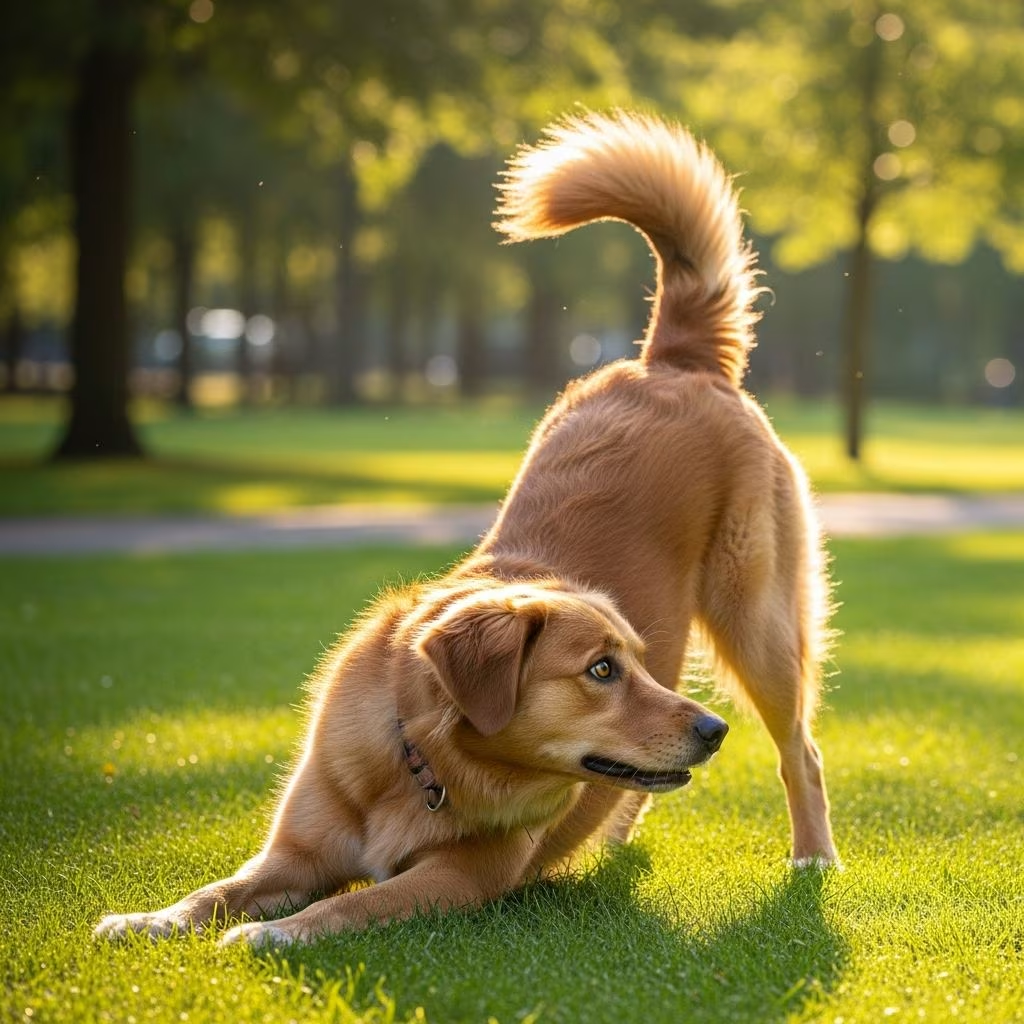
Your dog suddenly drops into a bow, front legs stretched out, rear end wiggling in the air—it’s an endearing sight that never fails to bring a smile. But what does this behavior really mean? Dogs bow for several reasons, primarily tied to play, communication, and physical needs. Understanding the context, body language, and environment helps decode whether it’s an invitation to fun, a sign of deference, or simply a stretch. This comprehensive guide breaks down the main motivations behind the dog bow, drawing from veterinary insights and canine behavior research, so you can respond appropriately and deepen your bond with your furry friend.
The Play Bow: A Classic Invitation to Fun
The most recognizable reason dogs bow is the **play bow**, a universal canine signal screaming “Let’s play!” This posture features the dog’s chest lowered to the ground, front legs extended forward, hindquarters elevated, and often accompanied by vigorous tail wagging, excited barking, playful growls, or bouncy movements. It’s not just random; it’s a highly ritualized behavior evolved through stabilizing selection, where the bow’s stereotyped form ensures clear communication across dogs, wolves, and other canids.
Play bows serve multiple purposes in social interactions. They initiate play sessions, punctuate ongoing roughhousing to reaffirm fun intentions, or apologize after accidental hard bites—saying, “Oops, I didn’t mean that! Still want to play?” Research on coyotes, wolves, wolf-dog hybrids, beagles, and free-ranging dogs shows remarkable consistency in bow duration and form, underscoring its role as a locomotor intention movement that doubles as a signal. When your dog bows to you, they’re including you in their pack, treating you as a playmate worthy of excitement.
- Body language cues: Loose, wiggly body; high tail; forward ears; intense eye contact or averted gaze during play.
- Common triggers: After walks, when you return home, or spotting a toy.
- How to respond: Mirror the energy with a toy toss, gentle wrestle, or command like “play,” but always supervise to prevent overstimulation.
Play bows aren’t exclusive to dogs; they’re observed in wolves and other social mammals, highlighting their evolutionary roots in fostering bonds and practicing survival skills like chasing and pouncing. Ignoring repeated play bows can lead to frustration, so incorporate daily interactive sessions to channel that energy positively.
Submissiveness: A Sign of Deference or Anxiety
Not all bows signal play. A **submissive bow** occurs when a dog lowers its head and chest below the hindquarters, often creeping forward slowly, with ears pinned back, tail low or tucked, lip-licking, and sometimes submissive urination. This is common in timid dogs, especially young females, and stems from fear, past trauma, or perceived threats in the environment.
Unlike the exuberant play bow, submissive postures aim to appease dominant figures—human or canine—avoiding conflict. Dogs are highly sensitive to voice tones, household chaos, or physical corrections, which can trigger these behaviors if they feel unsafe. Previous abuse or neglect exacerbates this, turning it into a chronic response rather than a fleeting gesture.
A Note on Encouraging Submissiveness
While a meek approach might seem sweet, reinforcing submissive behaviors can worsen anxiety. Instead, build confidence through positive reinforcement training, calm environments, and gradual desensitization. Consult a vet or behaviorist if paired with trembling, avoidance, or aggression, as it may indicate underlying issues like separation anxiety.
- Distinguishing features: Slow approach; averted eyes; lowered posture without play signals.
- Risk factors: Rescue dogs, multi-pet homes, inconsistent routines.
- Solutions: Reward bold behaviors; use treats for eye contact; avoid punishment.
Friendliness: A Warm Welcome Without Play Expectations
Sometimes, a bow conveys pure **friendliness** and excitement upon meeting someone new. The dog approaches eagerly, drops into a brief bow, but doesn’t escalate to full play. Tail wags broadly, body remains loose, and the overall vibe is welcoming rather than demanding interaction. This is common with visitors or familiar faces, signaling acceptance and joy without expecting roughhousing.
It’s a cheerful greeting that radiates enthusiasm. Unlike submissiveness, there’s no fear; energy is upbeat, making it a positive social cue. Responding with petting or soft words reinforces trust, especially for sociable breeds like Labradors or Golden Retrievers.
The Greeting Stretch: Waking Up and Loosening Up
Ever notice your dog bow-stretching after a nap? This **greeting stretch**, akin to the yoga “downward dog,” is a physiological need. Upon waking, dogs extend front legs, arch their back, and often yawn to loosen stiff muscles and ligaments. Pandiculation—a reflex stretching pattern—activates brain-muscle connections, particularly rear extensors for running, mimicking human morning routines.
It’s not always communicative; it’s functional, helping transition from rest to activity. If directed at you, it combines affection with relief from stiffness. Encourage it with gentle scratches along the back, but monitor for excess if linked to discomfort like arthritis.
Mimicking Exercise: Joining Your Yoga Session
Dogs are natural copycats, especially during owner workouts. Seeing you in downward dog, they may **mimic the pose** out of curiosity or participation. This flexible move stretches their spine, shoulders, and hips, promoting joint health. Breeds like Border Collies or athletic mixes excel at this, turning exercise into shared bonding time.
Capitalize on it: Incorporate dog-safe yoga or stretches into routines, using treats to encourage safe poses. It’s a fun way to boost flexibility and prevent injuries.
Why Are Some Dogs More Playful (and Bowy) Than Others?
Playfulness varies by breed, age, personality, and environment. High-energy breeds like Terriers or Herding dogs bow frequently, seeking stimulation. Puppies bow most due to developmental needs, while seniors may do so less. Pent-up energy from insufficient exercise leads to excessive bowing or destructive outlets, so aim for 30-60 minutes daily of walks, fetch, or puzzle toys.
| Breed Group | Play Bow Frequency | Exercise Needs |
|---|---|---|
| Herding (e.g., Border Collie) | High | High (1-2 hrs/day) |
| Terrier | High | Moderate-High |
| Lap Dogs (e.g., Chihuahua) | Low-Moderate | Low-Moderate |
| Sighthounds | Moderate | High sprint sessions |
Address over-bowing by enriching environments: Kong toys, agility training, or doggy playdates prevent behavioral issues.
Frequently Asked Questions (FAQs)
Q: Is dog bowing always playful?
A: No, it can indicate submissiveness, stretching, friendliness, or mimicry. Context and full body language are key.
Q: Why does my dog bow excessively?
A: Often pent-up energy or habit. Increase exercise and mental stimulation; vet check for pain if sudden.
Q: Should I ignore submissive bows?
A: Don’t punish; build confidence positively. Professional help if persistent.
Q: Can all dogs do play bows?
A: Yes, it’s instinctual across breeds, refined by socialization.
Q: Is bowing a sign of respect?
A: More communication tool than respect; evolved for play invitation.
Decoding your dog’s bow enhances mutual understanding, preventing miscommunications. Observe patterns, respond consistently, and enjoy the playful spirit that makes dogs such joyful companions. Regular vet check-ups ensure no health issues underlie changes in behavior.
References
- Why Does My Dog Bow to Me? 5 Vet-Reviewed Reasons — Dogster. 2023. https://www.dogster.com/dog-behavior/why-does-my-dog-bow-to-me
- What Does It Mean When A Dog Bows? — Life’s Abundance Blog. 2019-04-17. https://blog.lifesabundance.com/post/2019/04/17/The-Secret-of-the-Dog-Bow.aspx
- Dogs at Play: How and Why Bowing Came to Mean “Let’s Play” — Psychology Today. 2025-03. https://www.psychologytoday.com/us/blog/animal-emotions/202503/dogs-at-play-how-and-why-bowing-came-to-mean-lets-play
- Is it normal that my dog keeps stretching and bowing repeatedly? — Dial a Vet. N.d. https://www.dialavet.com/ask-a-vet/dog-stretching-and-bowing-more-4829



