

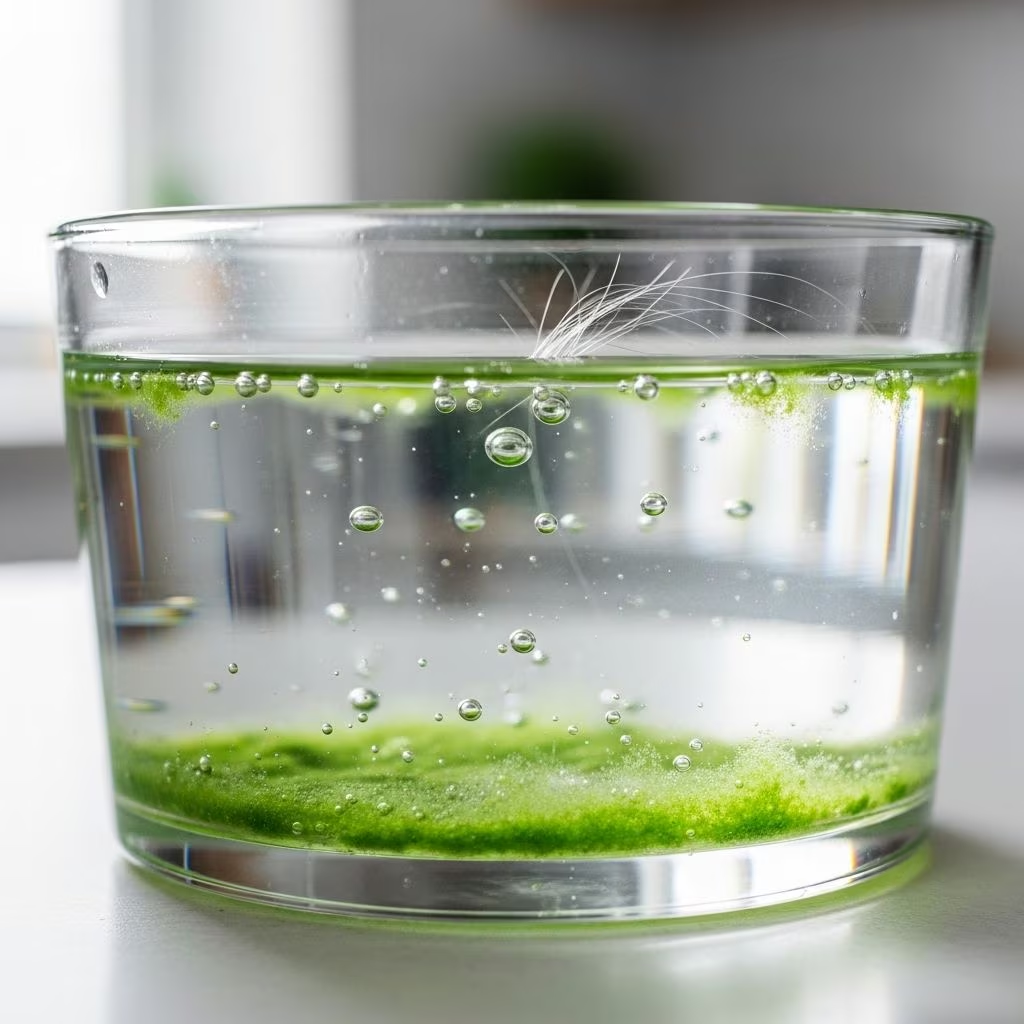
The slimy film in your cat’s water bowl is a common issue that frustrates many pet owners. This gooey buildup, often noticed along the edges or bottom, is primarily bacterial biofilm—a protective layer produced by microorganisms thriving in the moist environment.
Biofilm forms when airborne bacteria, yeast, mold spores, and microbes from your cat’s saliva combine with food particles and standing water. Cats, with their low thirst drive inherited from wild ancestors, may drink less if the water tastes or smells off, leading to dehydration risks.
What Causes the Slime in My Cat’s Water Bowl?
Several factors contribute to slime formation, making it nearly inevitable without diligent maintenance.
- Airborne Bacteria and Microbes: Bacteria like Serratia marcescens (causing pink slime), yeast, and mold spores float in the air and land in the bowl, especially in humid homes. They attach to surfaces and secrete a glue-like substance for protection.
- Cat Saliva: Every lap deposits bacteria from the cat’s mouth—cats have more oral bacteria than many species. Saliva breaks down into sugars that feed these microbes, accelerating growth.
- Food Particles and Debris: Dropped kibble, paw dirt, or fecal matter introduces organic material, fueling bacterial multiplication.
- Standing Water: Unlike flowing sources, bowls allow water to stagnate, losing chlorine (a natural bactericide) over time. Filtered or dechlorinated water promotes faster buildup.
This combination creates visible slime within days, often with a foul odor detectable to cats’ superior sense of smell (14 times better than humans).
Health Risks of Slimy Water Bowls for Cats
Beyond aesthetics, slime poses serious threats. Biofilm shields bacteria, making them up to 1,000 times more resistant to disinfectants and antibiotics.
- Urinary Tract Infections (UTIs): Ingested pathogens like E. coli or Staphylococcus can cause bladder infections, especially in females.
- Kidney Disease: Chronic dehydration from avoiding tainted water strains kidneys; biofilm exacerbates this.
- Dental Issues: Dirty water worsens plaque, bad breath, and periodontal disease.
- Gastrointestinal Problems: Biofilm blocks nutrient absorption, leading to malnutrition over time.
- Respiratory Risks: Inhaled or ingested bacteria may cause infections, particularly Listeria.
Cats on dry food diets are at higher risk due to low hydration instincts, potentially leading to renal failure if slime deters drinking.
Why Do Some Water Bowls Get Slimier Than Others?
Not all bowls slime equally; design and material play key roles.
| Material | Pros | Cons | Slime Risk |
|---|---|---|---|
| Plastic | Affordable, lightweight | Porous, scratches harbor bacteria; hard to clean crevices | High |
| Stainless Steel | Non-porous, durable; food-grade resists corrosion | Lower grades leach metals; can dent | Medium |
| Ceramic | Smooth, stylish | Porous if not glazed; heavy, breakable | Medium-High |
| Glass | Non-porous, easy to see slime | Fragile, slippery | Low-Medium |
Fountains circulate water but have pumps with hidden crevices where slime thrives. Wide, shallow bowls with smooth surfaces fare better than deep or narrow ones.
How to Prevent Slime in Your Cat’s Water Bowl
Prevention beats cure. Focus on disrupting bacterial growth cycles.
- Daily Refresh: Change water every 24 hours to remove food sources before multiplication.
- Use Tap Water: Chlorine inhibits bacteria better than filtered or bottled (though monitor for sensitivity).
- Strategic Placement: Avoid sun, outdoors overnight, or near feeders to prevent algae, dirt, or contaminants.
- Material Upgrade: Opt for stainless steel or antimicrobial plastics; avoid scratched bowls.
- Fountains with Caveats: Choose easy-disassemble models, but clean pumps thoroughly.
Encourage hydration with multiple bowls, wet food, or fountains mimicking streams—cats prefer running water.
How to Clean a Slimy Cat Water Bowl
Thorough cleaning penetrates biofilm. Routine: weekly deep clean, daily rinse.
- Dump and Rinse: Empty water; hot soapy water initial scrub.
- Disinfect: 1:10 bleach-water solution (1 tsp bleach per cup water) or white vinegar (1:1). Soak 10-20 mins; scrub with toothbrush for crevices.
- Rinse Thoroughly: Multiple hot water rinses to remove residues.
- Dry Completely: Air dry to prevent moisture buildup.
- Pump/Fountain Care: Disassemble; vinegar soak for motors; replace filters monthly.
Avoid dishwashers unless specified—high heat (250°F) needed for porous materials. Weekly vinegar soaks prevent recurrence.
Best Water Bowls and Fountains for Cats (Slime-Resistant)
Choose based on ease of cleaning and cat appeal.
- Stainless Steel Bowls: Top pick—non-porous, dishwasher-safe (e.g., food-grade 18/8).
- Glass Pyrex: Transparent for monitoring cleanliness.
- Wide Ceramic: Glazed, stable; less tipping.
- Pet Fountains: Ceramic or stainless with antimicrobial tubing; simple pumps (e.g., Glacier Point style).
Test cat preference—elevated bowls aid whisker comfort; fountains boost intake by 20-50%.
Frequently Asked Questions (FAQs)
Is the slime in my cat’s water bowl harmful?
Yes, it harbors dangerous bacteria causing UTIs, kidney issues, and dental disease. Clean promptly.
How often should I change my cat’s water?
Daily for bowls; fountains every 2-3 days with filter changes. Prevents biofilm entirely.
Why does slime form faster in fountains?
Pumps have crevices trapping saliva/debris; circulation doesn’t eliminate bacteria.
Can filtered water prevent slime?
No—removes chlorine, aiding growth. Tap water resists better.
What if my cat won’t drink from a clean bowl?
Add tuna juice, use fountains, or multiple stations. Check for dehydration signs.
Does pink slime differ from clear?
Pink from Serratia marcescens; both biofilms, clean identically.
Maintaining a slime-free bowl ensures your cat stays hydrated and healthy. Consistent habits make it effortless.
References
- Pet Fountain Slime – The Good News — Glacier Point for Cats. Accessed 2026. https://glacierpointforcats.com/pet-fountain-slime-the-good-news/
- Dear Molly, “Slime” — Cat Behavior Solutions. Accessed 2026. https://www.catbehaviorsolutions.org/post/dear-molly-slime
- Pink Slime in Your Pet’s Water Dish? Don’t Panic! — Lehigh County Authority. 2022-07. https://www.lehighcountyauthority.org/2022/07/pink-slime-in-your-pets-water-dish-dont-panic/
- The Importance of Clean Water Bowls for Your Dog or Cat — Zoetis Petcare. Accessed 2026. https://www.zoetispetcare.com/blog/article/importance-clean-bowls-dog-cat



