

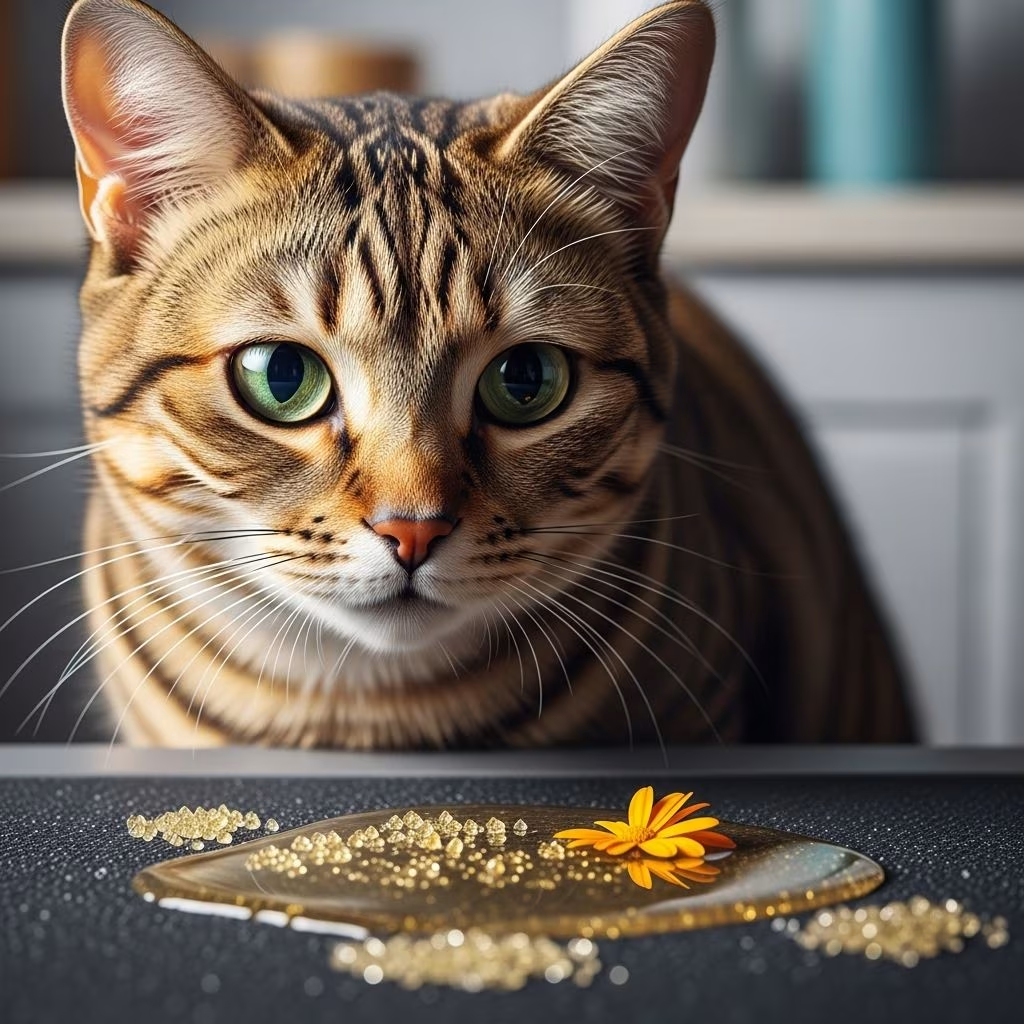
A sweet smell in your cat’s urine can be alarming, as normal cat pee typically has a strong ammonia odor due to urea breakdown. This unusual sweetness often stems from excess glucose or other changes, signaling potential health issues like **diabetes mellitus**, the most common culprit. Other causes include kidney disease, urinary tract infections (UTIs), and skin infections around the genitals. Early detection is crucial, as untreated conditions can lead to serious complications. This guide covers the four primary reasons, symptoms to watch for, diagnosis, treatment, and prevention tips.
The 4 Causes of Sweet-Smelling Cat Pee
Cat urine odor changes when waste composition shifts, often due to metabolic or infectious issues. Here’s a breakdown of the top four causes, supported by veterinary insights.
1. Diabetes Mellitus
**Diabetes mellitus** is the leading cause of sweet-smelling cat urine, especially in middle-aged or older cats. It occurs when the pancreas fails to produce enough insulin or the body resists it, causing high blood glucose (hyperglycemia). Excess glucose spills into the urine, giving it a sweet, sticky quality as the kidneys try to flush it out.
Cats with diabetes often drink and urinate excessively (polyuria/polydipsia) to dilute the glucose. Fat breakdown for energy produces ketones, adding a fruity note to the smell. Risk factors include obesity, sedentary lifestyle (more common in males), and age. Symptoms include:
- Increased thirst and water intake
- Frequent urination or accidents outside the litter box
- Weight loss despite normal or increased appetite
- Lethargy and weakness
- Sweet or fruity breath/urine odor
Without treatment, diabetes can lead to ketoacidosis, a life-threatening emergency.
2. Kidney Disease
Kidney disease, prevalent in senior cats, typically causes concentrated urine with a strong ammonia smell, but some owners perceive it as sweet due to altered waste filtration. Failing kidneys can’t dilute urine properly, concentrating urea and other compounds. This chronic condition worsens with age, as kidneys lose efficiency.
Additional signs include increased thirst, weight loss, vomiting, poor appetite, and bad breath. Unlike diabetes, kidney disease urine may appear darker and more pungent over time. Early intervention via diet and fluids can extend life quality.
3. UTI (Urinary Tract Infection)
A **UTI** introduces bacteria that accelerate urea breakdown into ammonia, often described as foul or fishy, but sometimes misinterpreted as sweet. Bacteria thrive in the urinary tract, causing inflammation. Female cats and those with diabetes are more prone.
Common symptoms:
- Frequent, small-volume urination
- Straining or crying while peeing
- Cloudy, bloody, or strong-smelling urine
- Excessive genital licking
- Litter box avoidance
UTIs require antibiotics; untreated cases can ascend to kidneys.
4. Skin Infection
Skin infections near the genitals, often from yeast or bacteria in moist folds, can mimic sweet urine odor. Obese cats or those with mobility issues (e.g., arthritis) struggle with grooming, allowing infections to fester. The smell arises from discharge mixing with urine.
Look for redness, swelling, oozing, hair loss, or obsessive licking in the hind-end. Cleaning and antibiotics resolve most cases, but weight management prevents recurrence.
Symptoms to Watch For
Beyond odor, monitor these red flags signaling a vet visit:
| Symptom | Possible Cause | Urgency |
|---|---|---|
| Sweet/fruity urine smell | Diabetes, UTI | High |
| Increased thirst/urination | Diabetes, Kidney disease | High |
| Weight loss | Diabetes, Kidney disease | Medium-High |
| Straining to pee | UTI | High |
| Genital redness/licking | Skin infection, UTI | Medium |
Any sudden change warrants prompt attention, as cats hide illness well.
Diagnosis: What to Expect at the Vet
Vets start with a history and physical exam, then:
- Urinalysis: Checks glucose, ketones, bacteria, crystals.
- Bloodwork: Measures glucose, kidney values (BUN/creatinine), electrolytes.
- Urine culture: Identifies UTI bacteria.
- Imaging (ultrasound/X-ray): Rules out stones or masses.
- Fructosamine test: Confirms chronic hyperglycemia for diabetes.
Early diagnosis improves prognosis dramatically.
Treatment Options
Treatment targets the cause:
| Condition | Treatment | Prognosis |
|---|---|---|
| Diabetes | Insulin injections, diet (low-carb), weight loss, monitoring. | Good with management |
| Kidney Disease | Fluids, renal diet, phosphate binders, blood pressure meds. | Manageable, not curable |
| UTI | Antibiotics (7-14 days), pain relief. | Excellent if treated early |
| Skin Infection | Topical/oral meds, cleaning, weight loss. | Good |
Follow-up tests ensure resolution.
Prevention Tips for Healthy Cat Urine
- Feed high-quality, low-carb diets; avoid dry food excess.
- Ensure fresh water access (fountains encourage drinking).
- Maintain ideal weight through play/exercise.
- Scoop litter daily; use enzymatic cleaners for odors.
- Annual vet check-ups, especially for seniors.
- Monitor for behavior changes early.
Proactive care keeps urine smelling normally pungent, not sweet.
Frequently Asked Questions (FAQs)
Q: Is sweet-smelling cat pee always diabetes?
A: No, while diabetes is most common, kidney disease, UTIs, or skin infections can also cause it. Vet testing confirms.
Q: Should I worry if my cat acts normal?
A: Yes, cats mask symptoms. Sweet urine alone merits a check-up, as issues like diabetes progress silently.
Q: How is cat diabetes treated at home?
A: With vet guidance: insulin shots twice daily, special diet, glucose monitoring. Many cats live normally.
Q: Can diet cause sweet urine?
A: Indirectly, high-carb diets raise diabetes risk, but not directly. Balanced nutrition prevents issues.
Q: When is a vet emergency for urine smell?
A: If with straining, blood, lethargy, vomiting, or no urination—go immediately.
References
- Why Does Cat Urine Smell So Bad? — Biosweep of Central Florida. 2023. https://biosweepcentralfl.com/why-does-cat-urine-smell-so-bad/
- Why Does My Cat’s Pee Smell Sweet? Our Vet Explains 4 Possible Causes — Catster (Ask the Vet). 2023-10-15. https://www.catster.com/ask-the-vet/why-does-my-cats-pee-smell-sweet/
- Is it something serious if my cat’s pee suddenly smells sweet? — Dial a Vet. 2024. https://www.dialavet.com/vet-answers/post/cats-urine-sweet-smell-49330
- Why Does My Cat’s Pee Smell So Bad? — ARM & HAMMER. 2024. https://www.armandhammer.com/en/articles/cat-urine-smells-like-ammonia-strong-pee-smell
- Cat Diabetes: Signs & Symptoms — Yalesville Veterinary Hospital. 2023. https://yalesvillevet.com/blog/cat-diabetes/
- Causes of Bad Odors in Cats — PetMD. 2024-05-20. https://www.petmd.com/cat/general-health/causes-bad-odors-cats



