

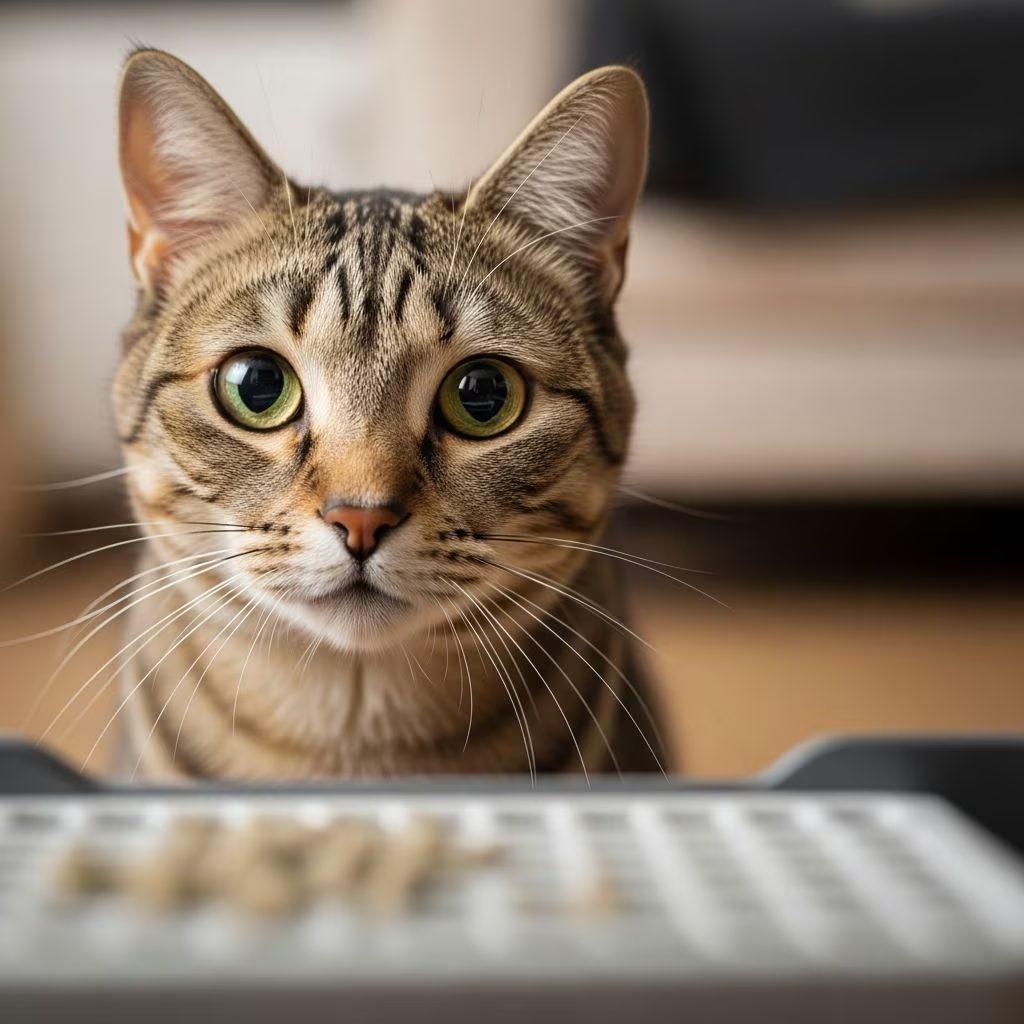
Cat urine has a naturally pungent ammonia-like odor due to its high concentration of urea and uric acid, evolved from desert ancestry where cats reabsorb maximum water for survival. However, a sudden intensification in smell often signals an underlying issue rather than normal variation. Fresh cat pee starts mild but intensifies as bacteria break down urea into ammonia and other volatiles like mercaptans. This article explores all potential causes—from health emergencies to simple fixes—and provides actionable steps to restore freshness to your home.
What Makes Cat Urine Smell So Strong Naturally?
Understanding baseline cat urine chemistry helps distinguish normal from problematic odors. Cat pee contains uric acid (which forms persistent crystals), urea (breaks down to ammonia), creatinine, electrolytes, and felinine (an amino acid degrading into pungent 3-methyl-3-sulfanylbutan-1-ol or MMB). Cats produce highly concentrated urine—far denser than dogs’—to conserve water, amplifying the scent.
- Ammonia production: Urea decomposition by bacteria releases ammonia, peaking as urine ages.
- Uric acid crystals: These linger on fabrics and litter, resisting cleanup and intensifying over time.
- Felinine breakdown: Unique to felines, it adds a sulfurous note worsening with exposure.
Sudden changes exceed this norm, warranting investigation to rule out serious conditions.
Medical Reasons for Suddenly Strong-Smelling Cat Pee
The most urgent causes are health-related. A abrupt odor spike, especially with symptoms like straining, blood, or frequent trips, demands immediate vet attention.
Urinary Tract Infections (UTIs) and Bladder Issues
UTIs cause bacterial overgrowth, producing extra ammonia and foul byproducts. Affected cats urinate more often in smaller amounts, with pungent, cloudy pee. Cystitis (bladder inflammation) or stones exacerbate this. Male cats risk blockages, a life-threatening emergency.
- Symptoms: Straining, vocalizing, blood in urine, litter avoidance.
- Action: Vet urinalysis and antibiotics; untreated UTIs can lead to kidney damage.
Kidney Disease and Organ Dysfunction
Chronic kidney disease (CKD) impairs filtration, concentrating toxins like creatinine and urea, yielding ammonia-heavy urine. Hyperthyroidism or diabetes may sweeten the smell instead, but strong odors signal advanced issues.
| Condition | Odor Change | Other Signs |
|---|---|---|
| UTI/Bladder Infection | Sharp ammonia | Frequent urination, straining |
| Kidney Disease | Intensified, persistent | Weight loss, vomiting, thirst |
| Diabetes | Sweet (not strong) | Increased drinking/eating |
| Hyperthyroidism | Variable strong | Hyperactivity, poor coat |
Dehydration’s Role in Concentrated Urine
Insufficient water intake thickens urine, boosting odor intensity. Cats often ignore bowls; seniors or sick ones dehydrate faster. Check gums (should be moist, pink) and skin elasticity.
Diet and Nutrition: Why Food Changes Amp Up Pee Smell
High-protein diets (common in dry kibble) elevate urea production, darkening and strengthening urine. Chicken-based proteins metabolize into more ammonia than fish varieties. Low-moisture foods worsen concentration.
- Sudden switches: New brands or flavors spike odor temporarily.
- Fixes: Boost wet food (80% moisture), add broth, or try salmon-based kibble. Ensure 3-4 oz water per 5 lbs body weight daily.
Aged cats process proteins less efficiently, compounding smells—consult vets for renal diets if over 7 years.
Litter Box and Environmental Culprits
Poor maintenance traps odors: Unscooped boxes let bacteria thrive, concentrating ammonia. Clumping litter hides soaked pee deep, fostering breakdown.
- Cleaning protocol: Scoop daily, full change weekly, wash box biweekly with enzymatic cleaners.
- Litter type: Silica or carbon-filtered options absorb better than clay.
- Box issues: Too few boxes (rule: # cats +1), dirty, or relocated cause spraying—stronger than regular pee due to territorial pheromones.
Stress and Behavioral Factors Behind Strong Odors
Cats under stress (new pets, moves, loud noises) concentrate urine via hormonal shifts or inappropriate elimination. Unneutered males add testosterone, intensifying scent for marking.
- Signs: Hiding, aggression, litter avoidance.
- Solutions: Pheromone diffusers, routine stability, vet check for pain.
How to Reduce Strong Cat Pee Smell Immediately
Act multifaceted: Vet if symptoms present, then optimize home.
- Hydrate: Fountains, wet food, flavor water.
- Diet tweak: Rotate proteins, increase moisture.
- Litter upgrade: Odor-control litters, multiple clean boxes.
- Cleaners: Enzymatic sprays break uric acid (avoid ammonia-based).
- Monitor: Track volume/color; normal is 2-4 oz/day, pale yellow.
When to See a Vet for Strong-Smelling Cat Urine
Seek care if odor persists >48 hours with any: blood, straining, lethargy, thirst spikes, weight loss. Diagnostics include urinalysis, bloodwork, ultrasound. Early intervention prevents escalation—e.g., blocked males need emergency catheterization.
Frequently Asked Questions (FAQs)
Why does my cat’s pee smell stronger than my dog’s?
Cats evolved concentrated urine for desert survival, with higher uric acid and ammonia than canine pee.
Is strong pee smell always a UTI?
No—dehydration, diet, or litter issues common, but pair with symptoms? Yes, test it.
How often should I clean the litter box?
Scoop daily, dump weekly; multi-cat homes more frequently to curb odors.
Can diet alone fix strong cat urine?
Often yes for mild cases via wet food/protein variety, but rule out health first.
Why does old cat pee smell worse?
Bacteria degrade urea to ammonia; uric crystals embed, resisting removal.
Preventing Sudden Strong Cat Pee Odors Long-Term
Proactive care minimizes risks: Annual vet exams (especially seniors), consistent hydration/diet, pristine boxes, stress reduction. Track changes in a journal for patterns. With diligence, your cat’s pee stays baseline pungent—not overpowering.
References
- Why Does Cat Urine Smell So Bad? — PrettyLitter. 2023. https://www.prettylitter.com/blog/why-does-cat-urine-smell-so-bad
- Why Does Cat Urine Smell So Strong, and How Can You Manage It? — PetSnowy. 2024. https://petsnowy.com/blogs/press-updates/why-does-cat-urine-smell-so-strong-and-how-can-you-manage-it
- What Can I Give My Cat for a Very Strong Urine Smell? — Pet Parents. 2023. https://petparentsbrand.com/blogs/wellness/what-can-i-give-my-cat-for-very-strong-urine-smell
- Cat Chemistry — American Scientist. 2018-05-01. https://www.americanscientist.org/article/cat-chemistry
- Why Does Cat Pee Smell So Bad? — Litter-Robot. 2024. https://www.litter-robot.com/blog/why-does-cat-pee-smell-so-bad/
- How To Get Rid of Cat Pee Smell — PetMD. 2023. https://www.petmd.com/cat/general-health/how-to-get-rid-of-cat-pee-smell



