

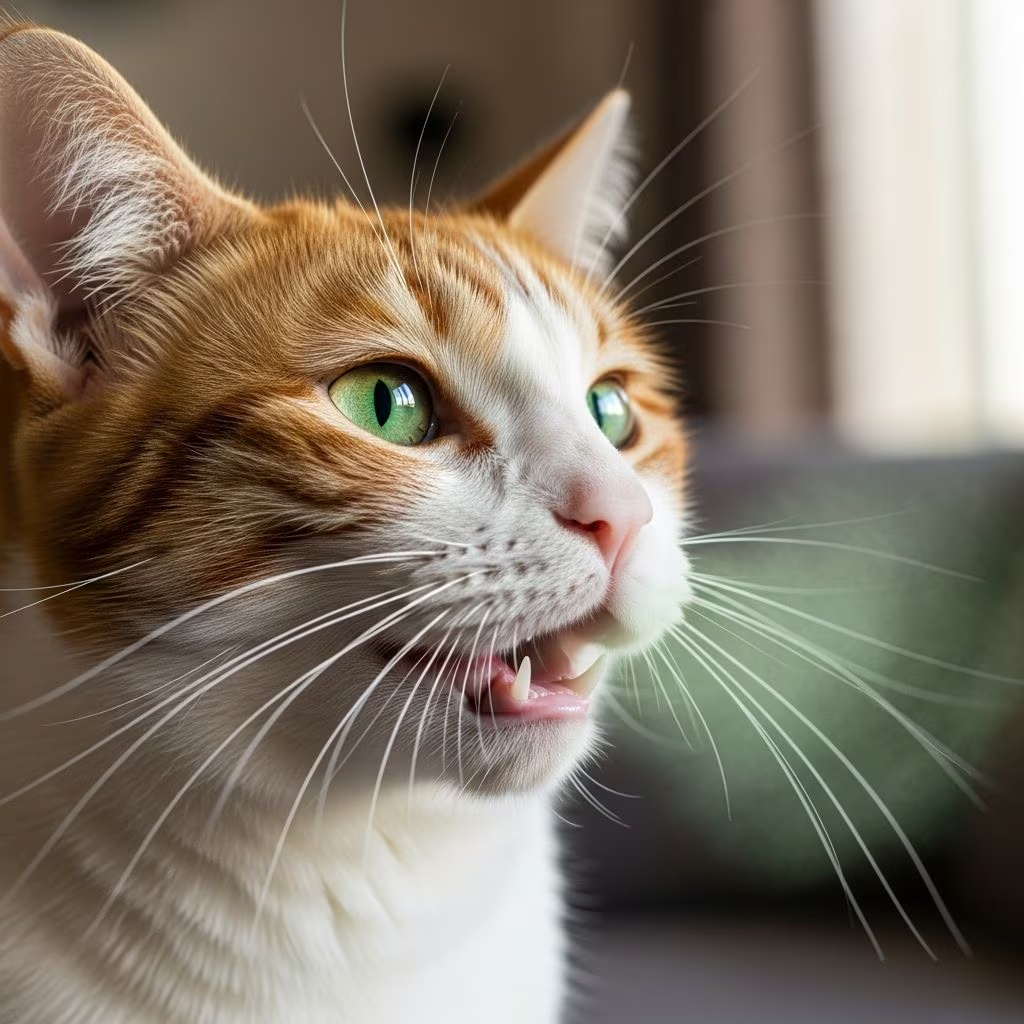
Bad breath in cats, known as halitosis, is more than an unpleasant odor—it’s often a red flag for underlying health problems. While occasional smells after meals are normal, persistent foul breath typically points to dental disease or systemic conditions like kidney failure or diabetes. Early detection through vet visits can prevent serious complications and improve your cat’s quality of life.
This comprehensive guide explores the primary causes, symptoms to watch for, diagnostic steps, treatments, home care routines, and prevention strategies. Understanding these factors empowers cat owners to act swiftly and keep their pets healthy.
Is Bad Breath Normal in Cats?
No, consistent bad breath is not normal in cats. A healthy cat’s breath should be relatively neutral or only mildly odorous after eating. Persistent halitosis indicates bacterial overgrowth, plaque buildup, or metabolic issues. According to veterinary sources, up to 70% of cats over age three suffer from dental disease, the leading culprit behind smelly breath.
Ignore it at your peril: untreated issues can escalate to tooth loss, pain, and organ damage. Monitor your cat’s breath weekly by gently lifting the lip or during cuddles. If the smell is fishy, ammonia-like, or sickly sweet, seek veterinary advice promptly.
Causes of Bad Breath in Cats
Halitosis in felines stems from oral bacteria producing volatile sulfur compounds (VSCs) that create foul odors. These bacteria thrive on plaque and tartar, leading to gum inflammation (gingivitis) and periodontitis. Beyond dental woes, diet, infections, and organ dysfunction contribute significantly.
Dental Disease: The #1 Culprit
Periodontal disease affects most adult cats, causing plaque to harden into tartar within days. Bacteria attack gums, creating pockets of infection that release stench-causing pus and gases. Symptoms include drooling, pawing at the mouth, and loose teeth. Untreated, it leads to abscesses and bone loss.
- Gingivitis: Early red, swollen gums from plaque irritation.
- Periodontitis: Advanced stage with gum recession and tooth mobility.
- Tooth Resorption: Painful erosion where teeth break down, common in 20-60% of cats.
Diet-Related Bad Breath
Certain foods, like fish-heavy diets or wet food remnants stuck in teeth, fuel bacterial growth. Poorly chewable diets exacerbate plaque buildup. Transition to dental-formulated kibble that mechanically cleans teeth as cats crunch.
Respiratory Infections and Stomatitis
Upper respiratory viruses cause mouth ulcers and sinus drainage, fostering bacteria. Stomatitis, an autoimmune overreaction, inflames the entire mouth, leading to severe pain and halitosis. Cats may refuse food or vocalize in distress.
Systemic Diseases Signaling Trouble
Bad breath often reveals organ failure:
- Kidney Disease: Failing kidneys allow urea buildup, exhaled as ammonia breath. Advanced cases show increased thirst and weight loss.
- Diabetes: Unprocessed glucose leads to ketoacidosis, producing fruity or acetone-like breath.
- Liver Disease: Impaired detoxification causes musty or fishy odors from toxin accumulation.
Other Causes
- Foreign Objects: Grass blades or string trapped in gums create localized infections.
- Abscesses/Ulcers: Pus-filled swellings or sores emit rot-like smells.
- Cancer/Teething: Oral tumors or kitten teething cause temporary but noticeable odor.
Signs Your Cat Has Bad Breath Issues
Beyond the smell, observe these indicators:
| Symptom | Description | Possible Cause |
|---|---|---|
| Red/Swollen Gums | Bleeding or receding gumline | Gingivitis/Periodontitis |
| Tartar Buildup | Yellow-brown deposits on teeth | Plaque Hardening |
| Drooling/Discolored Saliva | Excessive wetness or blood-tinged | Infection/Pain |
| Difficulty Eating | Face pawing, food dropping | Stomatitis/Abscess |
| Weight Loss/Lethargy | Systemic signs like thirst | Kidney/Diabetes |
These signs warrant immediate vet evaluation to rule out life-threatening conditions.
When to See a Vet for Cat Bad Breath
Schedule a visit if breath persists beyond 24-48 hours, worsens suddenly, or accompanies symptoms like vomiting, diarrhea, or behavioral changes. Vets perform oral exams, bloodwork, and X-rays to diagnose. Delaying risks irreversible damage—early intervention is key.
Diagnosis of Feline Halitosis
Veterinarians start with a physical exam under sedation for thorough tooth probing. Diagnostics include:
- Blood Tests: Check kidney, liver, glucose levels.
- Urinalysis: Detects diabetes or kidney dysfunction.
- Dental Radiographs: Reveals hidden abscesses or resorptions.
- Cultures: Identify bacterial strains.
Treatment Options for Stinky Cat Breath
Treatment targets the root cause:
- Professional Cleaning: Anesthesia-enabled scaling removes tartar below the gumline.
- Extractions: Removing damaged teeth alleviates pain and infection.
- Antibiotics/Pain Meds: For infections or stomatitis.
- Systemic Therapy: Insulin for diabetes, fluids for kidney disease.
Home Remedies and Daily Care
Complement vet care with routines:
- Brushing: Use enzymatic toothpaste 3x/week with a cat brush or finger. Start slow with treats.
- Dental Gels/Wipes: Chlorhexidine-based products reduce bacteria.
- Additives: Powders in food/water target plaque and gut bacteria.
- Treats/Toys: Chews scrape tartar mechanically.
Avoid human products—xylitol is toxic to cats.
Preventing Bad Breath in Cats
Proactive steps maintain fresh breath:
- Daily toothbrushing from kittenhood.
- Dental diets and water fountains for hydration.
- Bi-annual vet dental checks.
- Supplements with prebiotics for oral microbiome balance.
Consistent care reduces disease risk by 50% or more.
Frequently Asked Questions (FAQs)
What if my kitten has bad breath?
Kittens may have temporary smells from teething or weaning foods. Persistent odor needs a vet check for congenital issues.
Can diet alone fix cat bad breath?
Dental diets help but can’t replace brushing or cleanings for advanced disease.
Is fishy breath dangerous?
Yes, it often signals liver or kidney problems—see a vet urgently.
How often should I brush my cat’s teeth?
Ideally daily, minimum 3 times weekly for prevention.
Does age affect cat breath issues?
Senior cats are prone due to weakened immunity; start prevention early.
References
- Understanding Bad Breath in Cats: Causes, Treatment, and Prevention — AnimalBiome. 2023. https://www.animalbiome.com/blogs/pet-health/understanding-bad-breath-in-cats-causes-treatment-and-prevention
- Why Does My Cat’s Breath Stink? — PetNest Animal Hospital. 2024-08-20. https://petnestanimalhospital.com/2024/08/20/why-does-my-cats-breath-stink/
- Cat’s Breath Bad? Possible Causes & What To Do — Modesto Vet Hospital. 2023-03-15. https://www.modestovethospital.com/site/blog/2023/03/15/cat-bad-breath
- Why Does My Cat’s Breath Smell Bad? — Steinway Court Vet. 2023-12-15. https://www.steinwaycourtvet.com/site/blog/2023/12/15/cats-breath-smell-bad
- Why does my cat’s breath smell so bad? — ACVC Grayson. 2024-08-15. https://www.acvcgrayson.com/site/blog/2024/08/15/cat-breath-smell-bad
- Bad Breath in Cats: Causes, Symptoms, and When To See a Vet — PetMD. 2024. https://www.petmd.com/cat/conditions/mouth/bad-breath-cats
- Halitosis in Cats — VCA Animal Hospitals. 2024. https://vcahospitals.com/know-your-pet/halitosis-in-cats



