

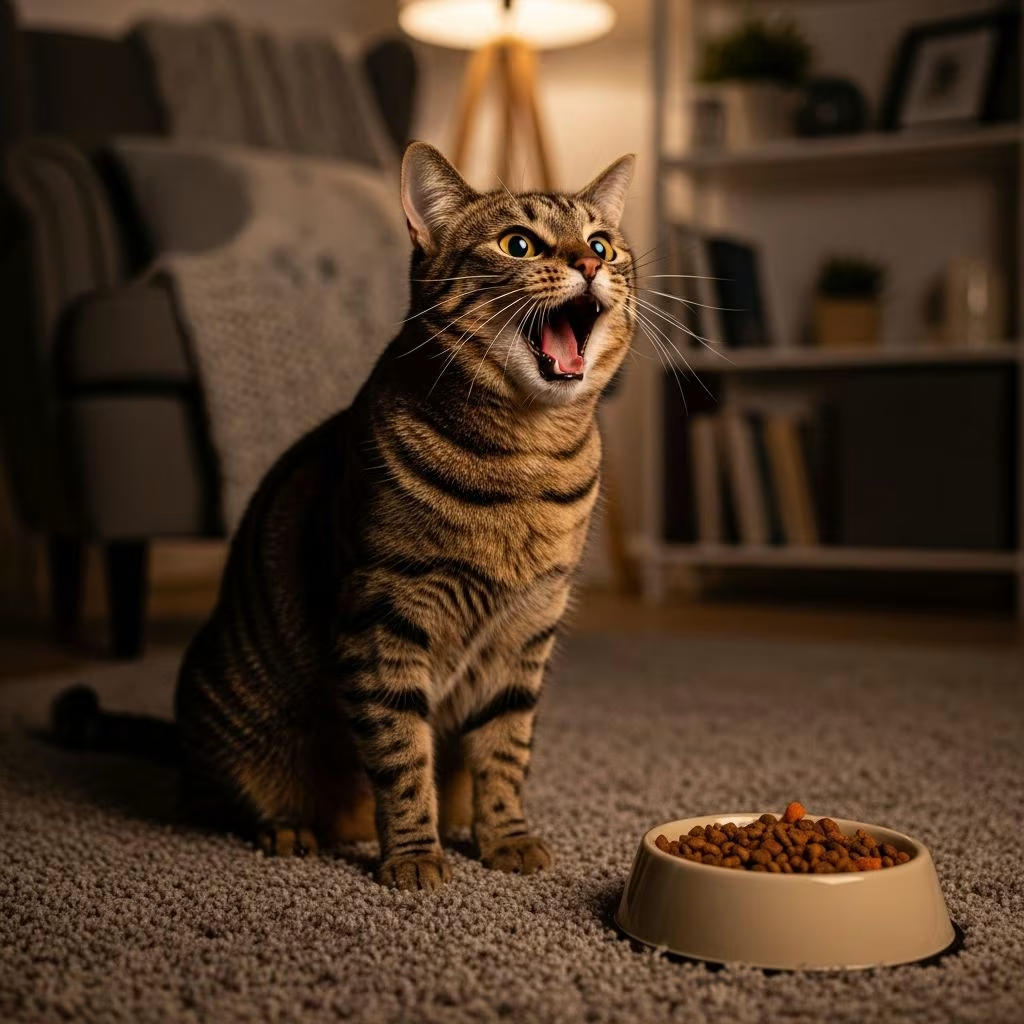
Yowling after eating can alarm cat owners, as this loud, intense vocalization differs from typical meows. Cats primarily meow to communicate with humans, but yowling often signals distress, pain, hunger, or confusion. Understanding the distinction helps identify if your cat’s post-meal yowls are benign or require veterinary attention.
Meowing vs Yowling: What’s the Difference?
Meowing is familiar—soft, sweet, or demanding, used by cats to get human attention for food, play, or access. In contrast, **yowling** is prolonged, loud, and eerie, resembling a howl. Cats yowl when threatened, seeking mates, experiencing pain, or disoriented. Post-eating yowls confuse owners since meals should satisfy, not distress. This behavior warrants investigation into health or environmental factors.
According to veterinary sources, excessive yowling links to medical issues like hyperthyroidism or cognitive dysfunction, especially in seniors. Recognizing these helps differentiate normal from problematic vocalizations.
The 5 Likely Reasons Your Cat Yowls After Eating
Several vet-verified causes explain post-meal yowling. These range from simple overeating to serious conditions. Monitor patterns and accompanying symptoms for clues.
1. Nausea
Overeating mimics human post-feast discomfort, causing nausea in cats. A too-large meal overwhelms their small stomachs, leading to queasiness and yowling. Solution: Portion daily calories into smaller, frequent meals (every 5-8 hours, as cats can’t go long without food). If yowling persists, nausea may stem from hairballs, toxins, or illness—consult a vet promptly.
VCA Hospitals notes tummy pain from various sources triggers vocalization.
2. Still Hungry
Greedy cats yowl for seconds if meals don’t satisfy. This “hangry” cry occurs if portions fall short of caloric needs. Measure food precisely to avoid overfeeding, which risks obesity. Gradually increase if within guidelines, but rule out medical hunger from hyperthyroidism or diabetes first—these boost appetite despite weight loss.
Preventive Vet advises training: Ignore yowls, feed only after quiet pauses to break the vocal-food association.
3. Dental Issues
Pain from dental problems peaks post-meal. Tooth decay, plaque, gingivitis, abscesses, or sharp food fragments irritate gums and teeth during chewing. Cats hide pain, but yowling betrays discomfort after swallowing. Poor oral health affects 70% of cats by age 3—regular vet dental checks are essential.
Symptoms include drooling, bad breath, pawing mouth. Professional cleaning or extractions may be needed.
4. Painful Digestive Issues
Gas, allergies, or food intolerances cause stomach cramps post-meal. Wet food changes or rich treats upset digestion, prompting yowling. Check ingredients for allergens like grains or proteins. Transition foods slowly over 7-10 days.
ASPCA recommends high-fiber diets for dieters to feel full without excess calories. Persistent issues signal IBD or parasites—vet diagnostics like fecal tests help.
5. Cognitive Dysfunction Syndrome
Senior cats (over 11 years) may suffer **cognitive dysfunction syndrome (CDS)**, feline dementia. Post-meal confusion leads to disorientation yowls—they forget their location or recent actions. Signs: altered sleep, pacing, anxiety.
Purina links senior yowling to CDS, hearing loss, or hypertension. Supplements like omega-3s or vet-prescribed meds manage symptoms.
Other Potential Causes of Post-Eating Yowls
Beyond the top five, consider:
- Hyperthyroidism: Overactive thyroid ramps metabolism, causing hunger, weight loss, and yowling despite eating. Common in seniors; blood tests confirm.
- Stress/Anxiety: Meal-time changes or household stress trigger vocalization. Signs: hiding, litter issues.
- Arthritis/Pain: Eating exacerbates joint pain; yowls express overall discomfort.
- Deafness: Seniors yowl louder, unaware of volume due to hearing loss.
When To Worry?
Not all yowls signal crisis, but new or escalating behavior merits vet evaluation. Worry if accompanied by:
- Appetite changes (loss or increase)
- Lethargy or hyperactivity
- Hiding, irritability, or litter avoidance
- Weight loss/gain, vomiting, diarrhea
- Poor grooming, increased thirst/urination
ASPCA urges vet checks for sudden vocal changes, as diseases like kidney issues or hypertension underlie them. Early intervention improves outcomes—don’t punish yowling; it’s communication.
How to Help Your Yowling Cat
| Issue | Solutions | Vet When? |
|---|---|---|
| Nausea/Hunger | Smaller meals 3-4x/day; measure calories | Persistent despite changes |
| Dental Pain | Soft food; dental diets; cleanings | Drooling, bad breath |
| Digestive Upset | Hypoallergenic food; probiotics | Diarrhea >48hrs |
| CDS/Hyperthyroidism | Enriched environment; meds | Any senior symptoms |
Environmental enrichments like puzzle feeders reduce stress yowls.
Frequently Asked Questions (FAQs)
Is yowling after eating always serious?
No, it can be hunger or overeating, but persistent cases often indicate pain or illness—vet check recommended.
Why do senior cats yowl more after meals?
CDS causes confusion; hyperthyroidism hunger; dental/arthritis pain worsens with age.
Can diet stop my cat’s post-meal yowls?
Yes, for nausea/digestion—try high-fiber or novel protein foods, but vet approval first.
Should I ignore yowling for food?
Yes, to avoid reinforcement; feed after quiet. Ensure 8-hour max gaps.
How to check for dental issues at home?
Look for red gums, loose teeth, odor. Never force mouth open—vet exam best.
Conclusion
Post-meal yowling stems from nausea, hunger, dental pain, digestive issues, or CDS, but stress or endocrine disorders also play roles. Observe symptoms, adjust feeding, and consult vets for diagnostics like bloodwork or dental X-rays. Proactive care keeps your cat comfortable and vocalizations minimal. Featured Image Credit: savitskaya iryna, Shutterstock
References
- Why Does My Cat Yowl After Eating? 5 Vet-Verified Reasons — Catster. 2023. https://www.catster.com/cat-behavior/why-does-my-cat-yowl-after-eating/
- Why Cats Meow and Yowl Excessively — Preventive Vet. 2024-01-15. https://www.preventivevet.com/cats/excessive-meowing-and-yowling-in-cats
- Why is Your Elderly Cat Yowling Excessively? — Purina US. 2023-05-10. https://www.purina.com/articles/cat/senior-cat/behavior/yowling
- Meowing and Yowling — ASPCA. 2024. https://www.aspca.org/pet-care/cat-care/common-cat-behavior-issues/meowing-and-yowling
- The Cat’s Meow! Caterwauling in Cats — VCA Animal Hospitals. 2023-11-20. https://vcahospitals.com/know-your-pet/the-cats-meow-caterwauling-in-cats



