

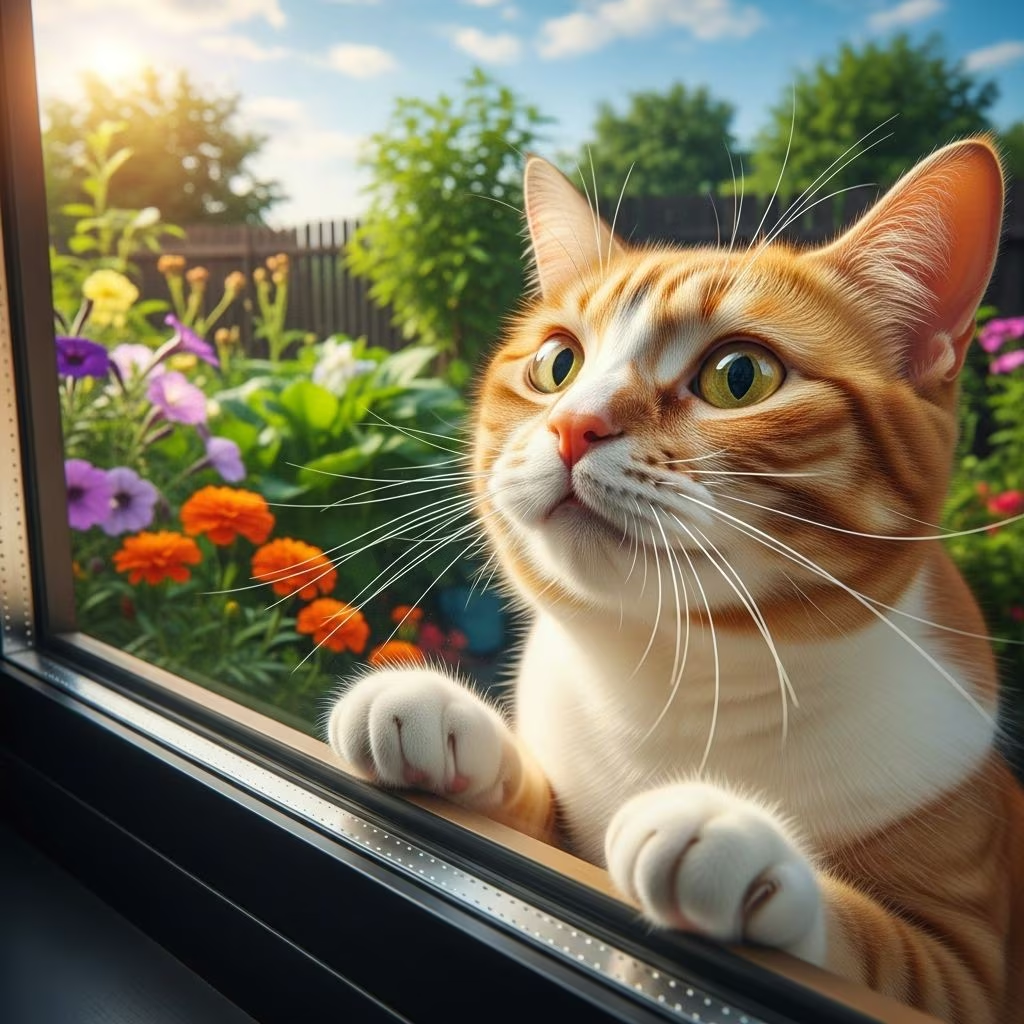
Your once-content indoor cat is now meowing incessantly at the door, pawing at windows, and darting out at every opportunity. This sudden obsession with the outdoors can puzzle even experienced cat owners. Cats are descendants of wild predators with deep-rooted instincts to hunt, explore, and patrol territory. While modern domestic life provides safety and comfort, it often falls short on fulfilling these primal urges, leading to behaviors like persistent door-dashing or yowling.
Understanding why cats want to go outside involves looking at their biology, environment, and emotional needs. Factors range from curiosity about new sights and sounds to hormonal drives or simple boredom. This comprehensive guide covers the root causes, benefits of outdoor access, associated risks, and proven strategies to enrich your cat’s indoor life without compromising safety. By addressing these elements, you can help your feline thrive whether they stay indoors or enjoy supervised adventures.
Reasons Why Your Cat Wants to Go Outside
Cats exhibit a strong desire for outdoor access due to a combination of instinctual, environmental, and physiological triggers. Even lifelong indoor cats can develop this urge suddenly, often signaled by vocalizations, pacing, or escape attempts.
Natural Hunting and Exploration Instincts
At the core of every cat’s outdoor yearning is their evolutionary heritage as solitary hunters. Wild cats roam vast territories to stalk prey, mark boundaries, and investigate novel stimuli. Domestic cats retain this drive, viewing the outdoors as a vast playground teeming with birds, insects, squirrels, and scents. Studies show cats hunt not just for food but for the thrill, peaking at dusk and dawn when prey is active. A cat spotting wildlife from a window may fixate on escaping to engage these instincts directly.
Mating Season and Hormonal Changes
Unaltered cats, especially females in heat or males detecting pheromones, become fixated on doors during breeding seasons. A new neighbor cat can trigger intense yowling and door-scratching as hormones surge. Spaying or neutering significantly reduces this behavior, with many owners reporting calmer pets post-procedure.
Boredom and Lack of Stimulation
Indoor environments, while safe, can become monotonous. Without varied sensory input, cats grow restless, leading to pleas for outdoor excitement. Signs include excessive meowing, destructive scratching, or lethargy. Enriching indoor spaces counters this effectively.
New Attractions Outside
Changes like a bird’s nest, blooming plants, or passing wildlife spark curiosity. Cats’ superior senses detect these from afar, compelling them to investigate up close.
Medical or Stress-Related Factors
Sudden shifts might indicate health issues like hyperthyroidism or urinary problems, prompting escape attempts. Stress from household changes (new pets, moves) can also manifest as outdoor fixation. Consult a vet if behavior persists alongside eating or litter changes.
Benefits of Letting Your Cat Go Outside
Supervised outdoor time offers undeniable perks, mimicking natural behaviors and enhancing well-being. However, balance with risks is key.
- Physical Exercise: Outdoor cats naturally run, climb, and pounce, combating obesity. Veterinary data indicates active outdoor access reduces weight-related diseases.
- Mental Stimulation: Endless smells, sights, and sounds boost cognitive health, reducing stress. Sunlight provides vitamin D, aiding mood.
- Instinct Fulfillment: Scratching trees, hunting bugs, and exploring satisfy innate needs, preventing furniture damage indoors.
- Bonding Time: Leash walks or yard play strengthen owner-pet bonds through shared adventure.
Risks of Outdoor Access for Cats
While appealing, unsupervised outdoor roaming poses serious dangers, far outweighing benefits for many experts.
| Risk | Description | Prevalence/Impact |
|---|---|---|
| Traffic Accidents | Cats crossing roads; 45% of studied outdoor cats did this nightly. | Leading cause of feline death. |
| Diseases & Parasites | Feline leukemia, FIV from fights; fleas, ticks, worms. | High contagion risk. |
| Toxins & Poisoning | Rodent bait, toxic plants, human food waste. | Can cause kidney failure. |
| Predators & Fights | Dogs, coyotes, territorial cats; 25% nightly encounters. | Injuries, abscesses common. |
| Getting Lost/Trapped | Storm drains, crawlspaces (20% incidence). | High rescue need. |
Urban areas amplify these threats, with research from the University of Georgia revealing outdoor cats’ risky nighttime behaviors like road-crossing and stranger encounters. Indoor cats live longer, healthier lives on average.
How to Satisfy Your Cat’s Outdoor Urges Safely
Keep your cat fulfilled without full outdoor freedom using these vet-approved methods.
Enrich the Indoor Environment
- Install **cat trees, shelves, and window perches** for climbing and bird-watching.
- Use **interactive toys, puzzle feeders, and laser pointers** for 15-30 minutes daily play.
- Provide **scratching posts** mimicking trees; rotate to maintain interest.
- Add **companion animals** if compatible, for social play and grooming.
Supervised Outdoor Options
- Harness and Leash Training: Acclimate gradually with treats; start indoors.
- Catios or Enclosures: Secure screened patios allow safe exploration.
- Backpack Carriers: For walks, ensuring ventilation and monitoring.
Prevent Door-Dashing
Train with commands like “wait,” using treats. Install baby gates or door sweeps. Distract with toys upon entry/exit.
Frequently Asked Questions (FAQs)
Does letting cats outside make them happy?
Cats enjoy outdoor stimulation, but well-enriched indoor cats can be equally content. Happiness stems from met needs, not location.
What are the signs of an unhappy cat?
- Hiding or avoidance.
- Excessive yowling or aggression.
- Changes in appetite, grooming, or litter use.
- Lethargy or disinterest in play.
Do cats naturally want to go outside?
Yes, due to hunting and exploration instincts, but individuals vary. Enrichment replicates this indoors.
Why does my indoor cat suddenly want outside?
Triggers include seasonal hormones, boredom, new outdoor stimuli, or stress. Vet check recommended.
Can indoor cats be as happy as outdoor ones?
Absolutely, with proper toys, play, views, and companions. Indoor life offers safety and longevity.
How do I train my cat not to run out the door?
Use consistent commands, distractions, and barriers. Positive reinforcement works best.
Conclusion: Balancing Instincts and Safety
Your cat’s outdoor obsession reflects their vibrant spirit. Prioritize enrichment and supervision to honor instincts safely. Consult vets for personalized advice, ensuring a joyful, healthy life.
References
- Why Does My Cat Want to Go Outside? — Travel Cat. 2023. https://yourcatbackpack.com/blogs/cat-backpack-tips-and-advice/why-does-my-cat-want-to-go-outside
- My Kitty Wants to Be an Outdoor Cat: What Do I Do?! — Countryside Veterinary Clinic. 2023. https://www.countrysideveterinaryclinic.org/services/cats/blog/my-kitty-wants-be-outdoor-cat-what-do-i-do
- What Cats Do When They’re Out at Night — Preventive Vet. 2023. https://www.preventivevet.com/cats/cat-behaviors-at-night
- Are Outdoor Cats Happier? — Animal Humane Society. 2023. https://www.animalhumanesociety.org/resource/are-outdoor-cats-happier
- Why Is My Indoor Cat Obsessed With Escaping Outdoors? — Cats.com. 2023. https://cats.com/why-does-my-cat-want-to-go-outside



