

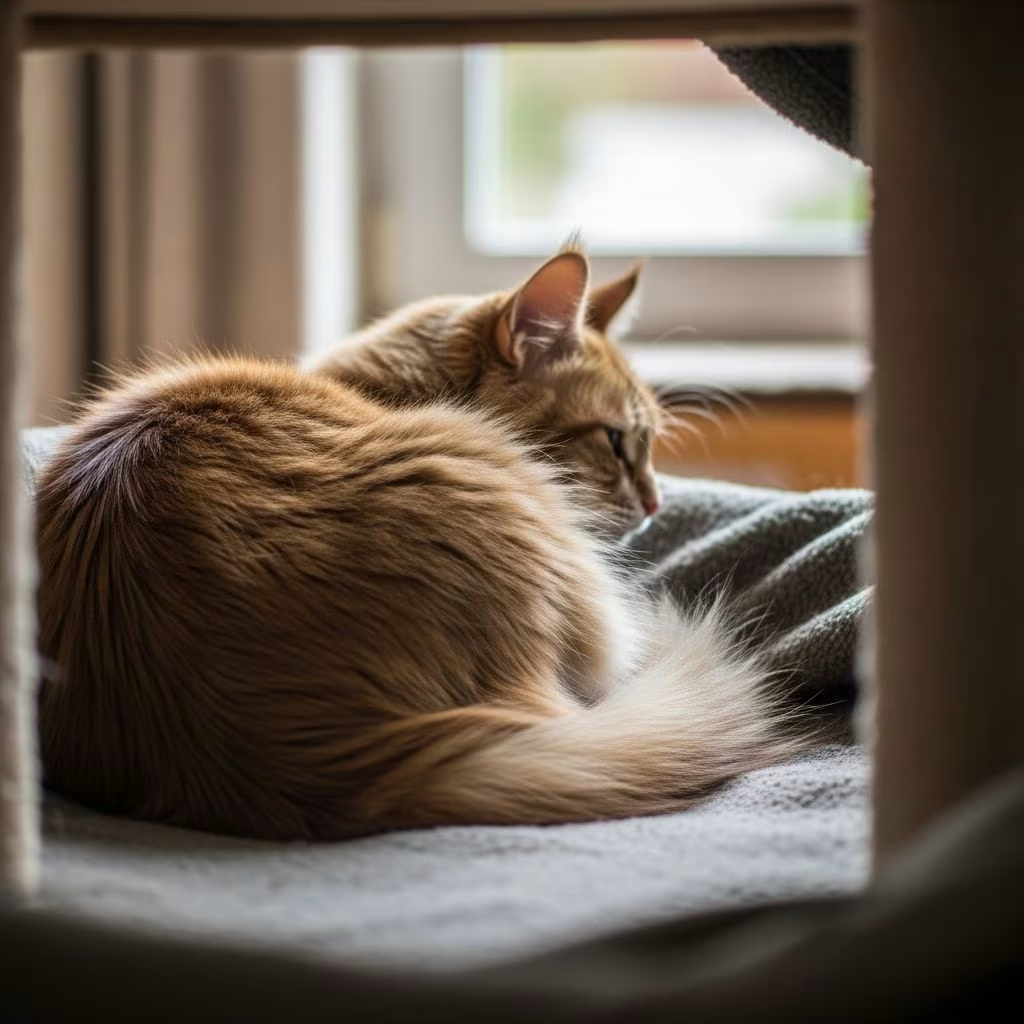
Cats are often seen as independent creatures, but when a typically social feline suddenly seeks solitude, it can worry owners. This behavior shift might stem from health issues, environmental changes, or emotional states. Understanding these reasons helps you respond appropriately, ensuring your cat’s comfort and health.
Observing subtle cues like hiding, reduced interaction, or altered routines is key. While some isolation is normal, persistent changes warrant attention. This guide covers eight vet-approved reasons, drawing from feline behavior insights, to help you decode your cat’s needs.
The 8 Reasons Why Your Cat May Want to Be Alone
1. Your Cat Isn’t Feeling Well
Illness tops the list for sudden isolation in cats. Unlike dogs, cats often hide discomfort to avoid appearing vulnerable. Conditions like urinary tract infections, dental pain, or gastrointestinal issues prompt retreat to quiet spots.
Veterinarians note that cats mask symptoms well, making early detection challenging. Signs include lethargy, appetite loss, or grooming changes alongside hiding. A vet exam, including bloodwork or imaging, rules out serious issues like kidney disease or hyperthyroidism.
Monitor for vomiting, diarrhea, or weight loss. Prompt veterinary care prevents escalation, as untreated illnesses worsen isolation.
2. Your Cat Is in a Bad Mood
Cats experience moods influenced by minor triggers. Overstimulation from petting, loud noises, or disrupted sleep can lead to temporary withdrawal. This ‘pouty’ phase usually resolves quickly.
Recognize overstimulation signs like tail flicking, ear flattening, or skin rippling. Provide space without forcing interaction. Enrichment toys or perches restore balance, signaling it’s not personal.
3. Your Cat Isn’t Happy with a Change
Cats thrive on routine; disruptions like moving, new pets, furniture shifts, or visitors unsettle them. They may hide to process these changes, reclaiming security in familiar spots.
Introduce alterations gradually. For new pets, use scent swapping and supervised meetings. Pheromone diffusers like Feliway mimic calming scents, easing transitions. Most cats adapt within days to weeks.
4. Your Cat Is a Queen in the Family Way or Aging Gracefully
Pregnant cats seek seclusion for safety during late gestation or nursing. They choose hidden birthing spots, emerging post-kittening. Respect this instinct; provide quiet nesting boxes.
Senior cats isolate due to arthritis, cognitive decline, or rest needs. They require low-traffic areas for undisturbed sleep. Elevated beds and ramps aid mobility, reducing stress.
Euthanasia considerations arise if terminally ill cats withdraw, though evidence is anecdotal. Consult vets for quality-of-life assessments.
5. Your Cat’s Senses Are Deteriorating
Declining vision, hearing, or smell alters perception, causing cautionary isolation. Cataracts, ear infections, or nasal polyps affect cats of all ages, not just seniors.
Observe bumping into objects, startling easily, or disorientation. Veterinary diagnostics like eye exams or hearing tests identify issues. Treatments such as surgery or medications restore confidence.
6. Your Cat Senses Another Cat
A keen feline nose detects intruder scents from neighborhood cats, even without sightings. Spraying or marking heightens territorial anxiety, prompting hiding.
Indoor cats react to outdoor visitors similarly to new household pets. Secure windows, use deterrents like motion sprinklers, and clean pheromones thoroughly. Multiple litter boxes reduce stress.
7. Your Cat Could Be Depressed or Anxious
Cats suffer depression or anxiety from separations, routine changes, or trauma. Affectionate breeds like Siamese are prone. Symptoms include hiding, appetite loss, or vocalization.
Separation anxiety mimics loneliness: destructive behavior, litter avoidance, or clinginess when owners return. Genetic factors or early weaning contribute.
- Lethargy: Excessive sleeping beyond normal 12-16 hours signals blues.
- Destructive Acts: Scratching or inappropriate elimination expresses stress.
- Clinginess: Following owners or keyboard lounging seeks attention.
Enrich environments with toys, perches, and companions for single cats. Feline behaviorists address severe cases.
8. Your Cat Is Bored
Boredom leads to withdrawal in active cats lacking stimulation. Without play or exploration, they sleep more or ignore owners.
Solution: Interactive toys, puzzle feeders, and scheduled play mimic hunting. Vertical spaces and window perches combat ‘single cat syndrome,’ where solo felines show aggression or depression.
Signs Your Cat Needs Attention
Beyond isolation, watch for:
| Sign | Possible Cause | Action |
|---|---|---|
| Appetite Loss | Illness/Anxiety | Vet Visit |
| Excessive Vocalizing | Loneliness/Stress | Enrichment |
| Aggression | Boredom/Fear | Behaviorist |
| Litter Issues | UTI/Anxiety | Medical Check |
These overlap with stress indicators like hiding or reduced grooming.
When to See a Vet
Consult a vet if isolation lasts over 24-48 hours, accompanies physical symptoms, or follows changes. Rule out medical causes first; behavioral fixes follow.
Annual checkups catch sensory or age-related issues early. Blood panels screen for thyroid or organ problems.
How to Help Your Solitary Cat
- Offer quiet retreats like cat trees or boxes.
- Use pheromone products for calm.
- Schedule daily play sessions.
- Consider a companion for social cats.
- Maintain clean litter and fresh food.
Patience rebuilds trust. Punish nothing; positive reinforcement works best.
Frequently Asked Questions (FAQs)
Q: Is it normal for cats to want alone time?
A: Yes, cats are solitary by nature but sudden or prolonged isolation signals issues.
Q: How long before worrying about a hiding cat?
A: Monitor 1-2 days; seek vet if symptoms persist.
Q: Can boredom cause depression in cats?
A: Yes, leading to lethargy and withdrawal.
Q: Do senior cats isolate more?
A: Often, due to health or rest needs.
Q: What’s single cat syndrome?
A: Behavioral issues in solo cats from lack of companionship.
Understanding Your Cat’s Needs
Decoding isolation fosters stronger bonds. Prioritize health checks, enrich environments, and respect boundaries. Your cat’s solitude often resolves with empathy and intervention.
References
- My Cat Wants to Be Alone All of a Sudden: 8 Vet Approved Reasons — Catster. 2023. https://www.catster.com/cat-behavior/why-does-my-cat-want-to-be-alone/
- 5 Signs Your Cat is Feeling Lonely — Dezi & Roo. 2023. https://deziroo.com/blogs/pawsitive-connections/5-signs-your-cat-is-feeling-lonely
- How to Manage Cat Separation Anxiety — Chewy. 2023. https://www.chewy.com/education/cat/health-and-wellness/please-dont-go-how-to-manage-separation-anxiety-in-cats
- 5 Signs Your Single Cat is Lonely — Whisker. 2023. https://www.whisker.com/blog/5-signs-your-single-cat-is-lonely
- Do Cats Get Lonely: Must-Know Facts for Pet Parents — Figo Pet Insurance. 2023. https://figopetinsurance.com/blog/do-cats-get-lonely
- Is My Cat Stressed? 3 Quick Signs to Look For — Humane Society of Macomb. 2023. https://humanesocietyofmacomb.org/is-my-cat-stressed-3-quick-signs-to-look-for/



