

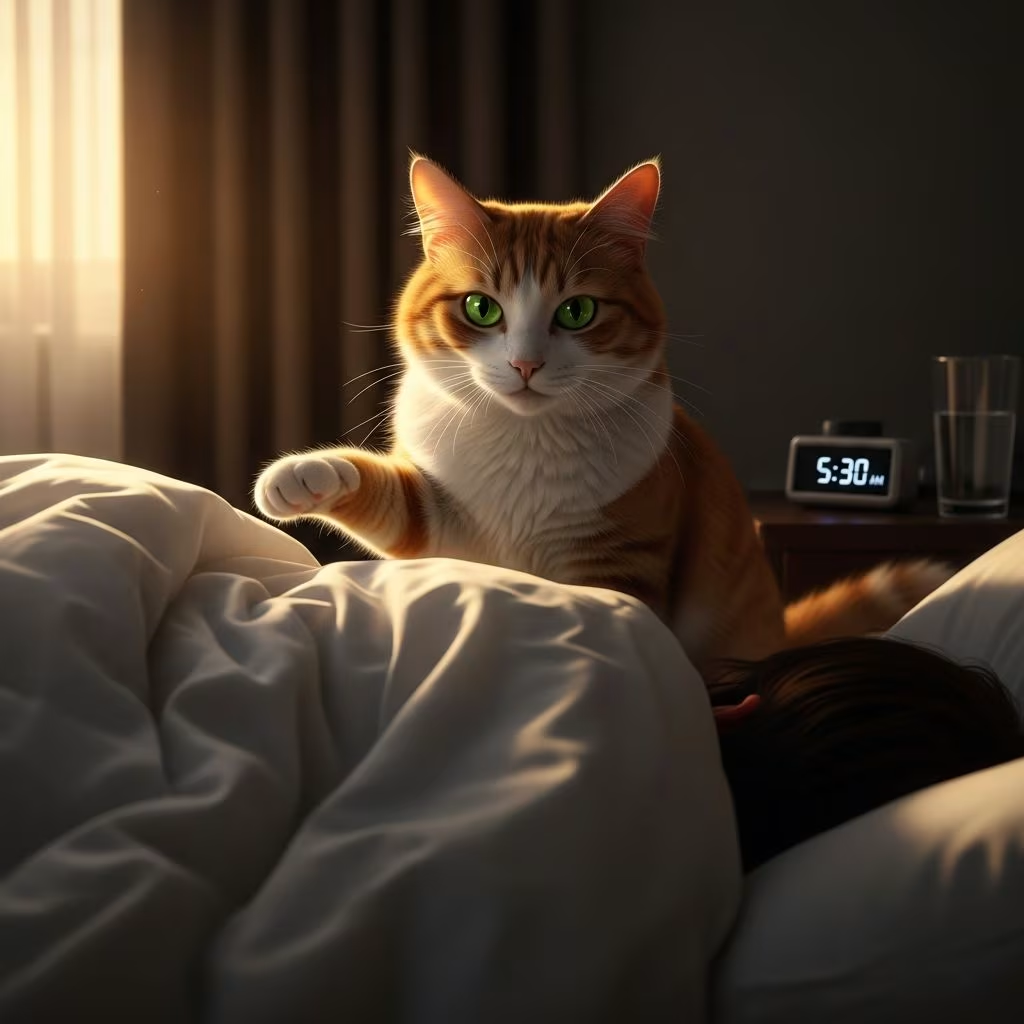
Cats are beloved companions, but their tendency to wake owners at inconvenient hours can lead to frustration and sleep deprivation. Understanding the reasons behind this behavior—rooted in their crepuscular nature, unmet needs, or health concerns—is key to finding solutions. This article explores common causes and offers actionable strategies to help both you and your cat enjoy better rest.
Understanding Your Cat’s Natural Sleep Patterns
Cats are **crepuscular** animals, meaning they are most active at dawn and dusk rather than strictly nocturnal or diurnal like humans. This instinct stems from their evolutionary role as hunters, when prey like birds and rodents are most active. Even indoor cats retain this biological clock, leading to zoomies or vocalizations as sunlight appears or just before bedtime.
Throughout the day, cats nap frequently to conserve energy, often sleeping 12-16 hours but in short bursts. If your cat sleeps excessively during daylight hours due to boredom, they build up energy reserves, resulting in nighttime disturbances. Age plays a role too: kittens and seniors may have irregular patterns due to high energy or discomfort.
Common Reasons Cats Wake Their Owners
Several factors drive cats to rouse you from sleep. Identifying the primary trigger allows targeted interventions.
Hunger or Thirst
One of the top culprits is **hunger**. Cats have small stomachs (about ping-pong ball size) and can feel hungry 4-5 hours after eating. If fed only once daily, they may meow or paw at you around dawn expecting breakfast. Thirst follows suit, especially if water bowls are empty overnight.
- Free-feeding dry kibble might seem ideal but doesn’t mimic hunting; cats thrive on scheduled meals.
- Owners often reinforce this by feeding on demand, inadvertently training the cat that wake-ups yield food.
Boredom and Lack of Stimulation
Insufficient daytime activity leaves cats understimulated. Without play, climbing perches, or puzzle toys, they nap excessively and unleash pent-up energy at night. Indoor cats with limited space or no elevated spots feel confined, prompting pouncing or racing.
Social needs factor in: cats view humans as colony members and seek interaction, mistaking your bed for playtime.
Attention-Seeking Behaviors
Cats employ creative tactics to demand attention:
- Meowing loudly: Persistent yowls signal hunger, play, or loneliness.
- Pawing or face pats: Gentle but relentless nudges to your face or hair.
- Kneading and pacing: “Making biscuits” on your legs while meowing indicates comfort-seeking mixed with demands.
- Scratching bedding: Pulling comforters to expose you or claim the bed.
- Hair chewing/pulling: Treating long hair like prey, especially if other methods fail.
Medical or Age-Related Issues
Sudden changes warrant a vet visit. Conditions like **hyperthyroidism**, diabetes, dental pain, arthritis, or cognitive dysfunction in seniors increase restlessness and appetite. Heat cycles in unspayed females or stress from household changes (e.g., new baby, move) can also disrupt sleep.
Older cats may yowl due to discomfort or disorientation, mimicking dementia symptoms.
How to Stop Your Cat from Waking You Up
Retraining requires consistency, patience, and meeting needs on your terms. Avoid punishment—it’s ineffective and damages trust. Instead, ignore unwanted behavior while rewarding alternatives.
Adjust Feeding Schedules
Shift dinner to bedtime: feed a large meal after evening play, then ignore dawn demands. Use an automatic feeder for a small dawn portion if needed, preventing reinforcement of wake-ups.
| Current Routine | Recommended Change | Benefit |
|---|---|---|
| Morning-only feeding | Evening meal + auto-feeder at dawn | Mimics satiety overnight |
| Free-feeding | 3-4 small meals daily | Prevents extreme hunger |
| Hand-feeding on demand | Scheduled puzzle feeders | Encourages hunting instinct |
Increase Daytime Enrichment
Provide outlets for energy:
- 30-60 minutes of vigorous play before bed using wand toys, lasers, or chasers to simulate hunting.
- Install cat trees, window perches, and scratching posts for climbing.
- Interactive toys like treat puzzles during the day tire mentally.
- Supervised outdoor access or leash walks for stimulation (if safe).
Establish a Bedtime Routine
Create positive associations:
- Play session → meal → quiet time in a cozy bed near yours.
- Use white noise machines or fans to drown out meows.
- Close bedroom door; provide a separate sleeping area with bedding smelling of you.
When wake-ups occur, remain still and silent—no eye contact, petting, or scolding, as any response rewards them. They’ll extinguish the behavior over 1-2 weeks if unrewarded.
Rule Out Health Problems
If behavior persists, consult a vet. Bloodwork can detect issues like thyroid problems. Certified feline behaviorists offer tailored plans for stubborn cases.
Special Considerations for Multi-Cat Homes or Seniors
In households with multiple cats, competition for food or territory heightens activity. Feed separately and ensure ample resources. Seniors benefit from soft bedding, ramps to perches, and pain management.
Kittens need frequent play to match high energy, while unspayed cats may require sterilization to curb hormonal wakefulness.
Frequently Asked Questions (FAQs)
Why does my cat only wake me at 4 AM?
This aligns with crepuscular peaks; hunger from small stomachs amplifies it. Adjust to evening feeding and play.
Is it okay to ignore my cat’s meowing at night?
Yes, if needs are met earlier. Intermittent rewarding worsens behavior; consistency leads to extinction.
What if my cat wakes me by biting or scratching?
Redirect to toys during day play. Rule out pain or stress; vet check recommended.
How long until training works?
1-4 weeks with consistency. Track progress in a journal.
Can litter box issues cause night wake-ups?
Yes, urinary problems prompt vocalizing. Ensure clean boxes and vet exam.
References
- 5 Common Reasons Cats Wake You Up at Night — Orijen Pet Foods Blog. 2023-05-15. https://blog.orijenpetfoods.com/5-common-reasons-cats-wake-you-up-at-night/
- How to Stop Your Cat From Waking You Up Early — Preventive Vet. 2024-08-20. https://www.preventivevet.com/cats/stop-cat-waking-up-early-in-the-morning
- 10 Clever Ways Cats Wake Up Their Owners — Hill’s Pet Nutrition. 2023-11-10. https://www.hillspet.com/cat-care/behavior-appearance/funny-ways-cats-wake-up-their-owners
- How To Stop Cats Waking You Up Early — Walkerville Vet. 2024-02-14. https://www.walkervillevet.com.au/blog/stop-cat-waking-up-early/



