

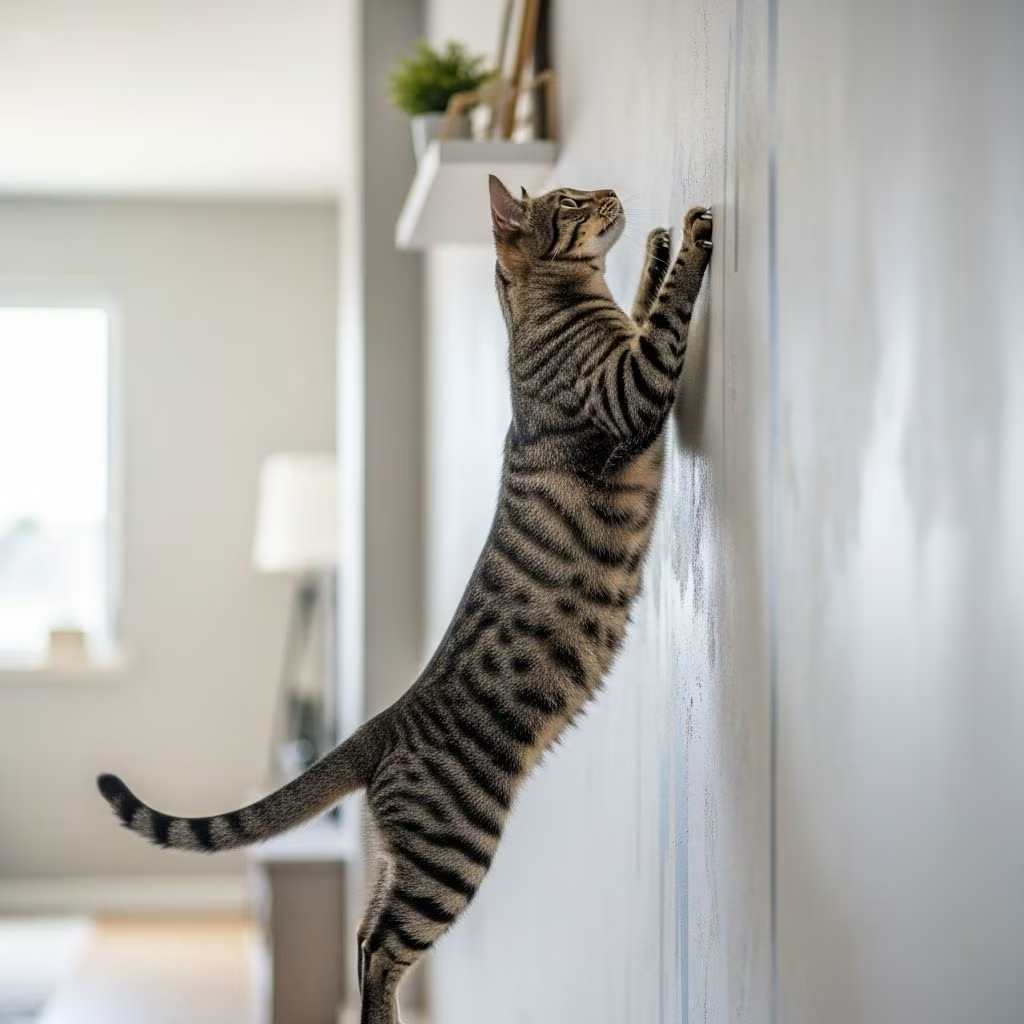
Cats are fascinating creatures with instincts that often puzzle their human companions. One common behavior that leaves many owners bewildered is when their cat attempts to scale the walls, clinging to curtains, doorframes, or even bare plaster. This isn’t just random mischief—it’s rooted in your cat’s natural drives and needs. Whether your feline is an indoor-only pet or has access to the outdoors, wall-climbing signals a desire for exercise, security, exploration, or territorial assertion. Understanding these motivations can help you provide better enrichment, preventing frustration for both you and your cat.
In this comprehensive guide, we’ll explore the four primary vet-reviewed reasons behind this behavior, assess if it’s normal, and share actionable solutions to satisfy your cat’s climbing urges without damaging your home. By incorporating vertical spaces, interactive play, and mental stimulation, you can transform this quirky habit into a healthy outlet.
The 4 Reasons Why Cats Try to Climb Walls
Cats have evolved as agile climbers, with powerful hind legs, sharp claws, and flexible bodies designed for vertical pursuits. In the wild, these traits help them hunt, evade predators, and survey their territory. Domestic cats retain these instincts, leading them to treat your walls like natural rock faces or trees. Here are the four key reasons your cat might be turning your living room into a climbing gym.
1. To Exercise
Climbing provides an excellent full-body workout for cats, strengthening muscles, improving joint flexibility, and burning calories. Indoor cats, in particular, lack the vast spaces of outdoor environments, so they seek vertical challenges to stay fit. Experts recommend at least 30 minutes of daily moderate exercise for cats to maintain health and prevent obesity.
If your cat hasn’t had enough playtime, excess energy builds up, manifesting as wall-scaling during “zoomies”—those sudden bursts of frantic activity. This behavior mimics hunting sprints, helping them release pent-up vigor. Without outlets, cats may also turn to destructive habits like scratching furniture.
- Signs of exercise-driven climbing: Sudden leaps at walls after naps, repeated attempts during evening hours (prime hunting time).
- Health benefits: Enhances cardiovascular fitness, tones core muscles, and supports claw health through natural wear.
To address this, schedule interactive play sessions with wand toys or laser pointers that encourage jumping and pouncing, simulating prey pursuit.
2. To Feel Safer
Height equals safety in a cat’s world. As both predators and prey in the wild, cats climb to gain a vantage point over potential threats. Elevated spots allow them to monitor surroundings, spot “prey” like insects or toys below, and retreat from dangers such as dogs, loud noises, or even overzealous children.
Indoor cats may climb walls to escape stressful situations, like scolding after mischief or household chaos. Dr. Mimi Fitchett, DVM, explains that climbing offers a “safety zone,” providing calm through oversight of their domain. In multi-cat homes, higher perches establish hierarchy, with dominant cats claiming top spots.
- Common triggers: New pets, visitors, or rearrangements that disrupt their sense of security.
- Instinctual roots: Mimics tree-climbing to evade hyenas or survey for rodents.
Mother cats even climb to distance themselves from weaning kittens, highlighting this as an innate escape mechanism.
3. To Reach New Places
Curiosity is legendary among cats—the saying “curiosity killed the cat” exists for a reason. Wall-climbing often stems from a desire to investigate novel spots, like a newly hung shelf, flickering light on the wall, or intriguing smells at higher levels.
Your cat might scale a wall to access a windowsill bird-viewing spot or explore behind furniture. This exploratory drive keeps their minds sharp and satisfies their adventurous spirit, especially in confined indoor settings.
- Exploration cues: New decorations, shadows, or sounds prompting upward investigation.
- Benefits: Mental stimulation prevents boredom-related issues like excessive meowing or aggression.
Animal behaviorist Russell Hartstein notes that insufficient mental enrichment leads to maladaptive behaviors, including inappropriate climbing.
4. To Mark Their Territory
Cats are territorial by nature, using scent glands on their paws, cheeks, and flanks to claim spaces. Climbing walls, especially at corners or junctions, allows them to rub and leave visual “signposts”—claw marks broadcasting their presence to intruders, real or perceived.
This is more common in feral cats but occurs in homes too, reinforcing ownership. Indoor cats with limited territory may intensify this to affirm control over vertical real estate.
- Marking signs: Rubbing heads on walls, light scratching without destruction.
- Prevention tip: Provide scratching posts near climb zones to redirect.
Is My Cat’s Climbing Behavior Normal?
Yes, wall-climbing is entirely normal and reflects your cat’s healthy instincts rather than a problem. However, excessive or frantic attempts could signal unmet needs like insufficient exercise, boredom, or stress. In multi-pet homes, it might indicate territorial disputes.
Monitor for red flags: persistent aggression, litter box avoidance, or lethargy alongside climbing, which warrant a vet visit to rule out hyperthyroidism or anxiety. Otherwise, channel this energy positively.
How to Stop Your Cat from Climbing the Walls
Discouraging climbing outright ignores your cat’s nature—instead, redirect it safely. Here are proven strategies:
Provide More Vertical Space
Install cat trees, wall shelves, and perches to give sanctioned climbing zones. Modular cat wall systems, like those from The Refined Feline, satisfy the instinct for height while protecting your decor.
- Place near windows for bird-watching enrichment.
- Multi-level trees for hierarchy in multi-cat homes.
Shelves spaced 12-18 inches apart mimic natural ledges, encouraging agile navigation.
Increase Playtime and Exercise
Dedicate 15-30 minutes twice daily to play. Use toys promoting vertical jumps: feather wands, battery-operated climbers, or puzzle feeders.
| Activity | Duration | Benefits |
|---|---|---|
| Wand Toy Chasing | 10-15 min | Burns energy, hones hunting skills |
| Laser Pointer | 5-10 min | Encourages sprinting and leaping |
| Cat Tree Races | Ongoing | Provides safe climbing outlet |
Offer Mental Stimulation
Combat boredom with food puzzles, treat-dispensing balls, or window perches. Rotate toys to maintain novelty.
Discourage Unsafe Climbing
Use double-sided tape on walls, citrus sprays (cats dislike the scent), or furniture covers temporarily. Positive reinforcement—reward use of approved climbers—works best.
Environmental Tweaks
Minimize stressors: provide hiding spots, pheromone diffusers for anxiety, and separate resources in multi-cat setups.
Frequently Asked Questions (FAQs)
Why is my cat climbing walls at night?
Nighttime is peak hunting hours for cats’ crepuscular nature, amplifying energy and instincts. Increase evening play to tire them out.
Is wall-climbing dangerous for my cat?
It risks falls or injuries from unstable surfaces. Offer stable alternatives to prevent accidents.
Why does my kitten climb more than my adult cat?
Kittens have boundless energy and practice motor skills; adults climb for enrichment. Both need outlets.
Can declawed cats still climb walls?
Yes, using hind legs and momentum, though less effectively. Extra vertical aids help.
How do I train my cat not to climb certain walls?
Redirect with treats to cat trees and make target walls unappealing (e.g., foil, scents). Consistency is key.
References
- Why Is My Indoor Cat Climbing the Walls? — PetPlace.com. 2023-05-15. https://www.petplace.com/article/cats/pet-behavior-training/why-is-cat-climbing-walls
- Why Does My Cat Try to Climb Walls? 4 Vet Reviewed Causes — Catster. 2024-08-20. https://www.catster.com/cat-behavior/why-does-my-cat-try-to-climb-walls/
- Cat Climbing Wall Shelves for Happy Cats — The Refined Feline. 2023-11-10. https://www.therefinedfeline.com/how-cat-shelves-can-redirect-your-cats-climbing-instincts/
- Cat Behavior: Why Do Cats Love Climbing And High Places? — Rock the Cat Spa. 2022-07-12. https://www.rockthecatspa.com/spa-blog/cat-behavior-why-do-cats-love-climbing-and-high-places
- Why Cats Love To Climb — Doylestown Veterinary Hospital. 2024-02-28. https://www.doylestownveterinaryhospital.com/blog/why-cats-love-to-climb/



