

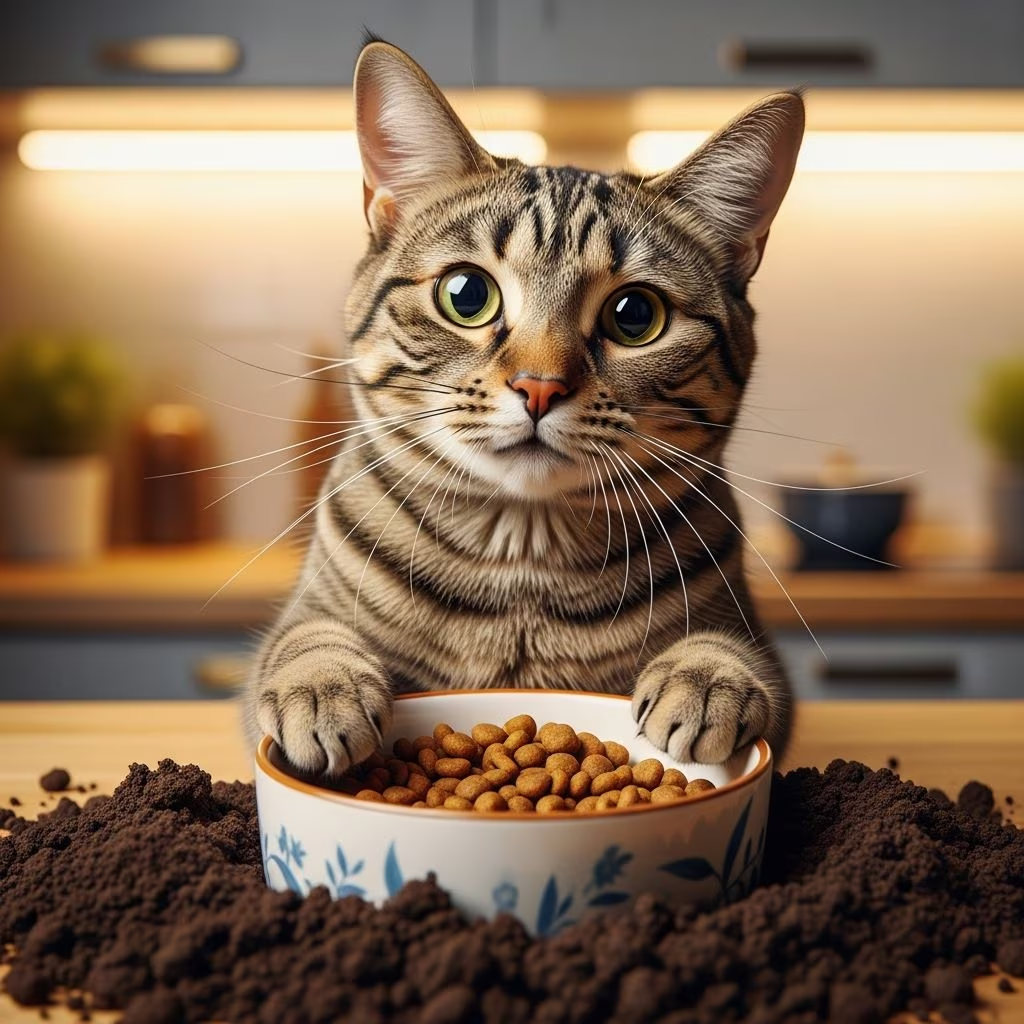
Your cat pawing frantically around their food bowl, as if trying to bury it under invisible dirt, is a puzzling sight. This behavior stems from deep-rooted instincts inherited from wild ancestors, where hiding food ensured survival. Domestic cats retain these traits despite abundant food supplies, using “caching” to protect leftovers from scavengers, conceal scents, and store meals for later.
The Evolutionary Instinct Behind Food Burying
Cats are obligate carnivores, evolved as solitary hunters whose prey acquisition demands high energy. Successfully catching a meal is rare and costly, so wild cats developed food-burying—known scientifically as caching—to maximize its value. This behavior persists in house cats, mimicking actions like scratching around bowls or dragging objects over food.
Key evolutionary drivers include:
- Protection from scavengers: Fresh kills attract competitors like other cats, foxes, or birds. Burying hides the food, preventing theft.
- Scent concealment: The odor of meat draws predators, signaling a vulnerable hunter’s presence. Covering reduces this risk, keeping the cat safe.
- Storage for scarcity: Prey isn’t always available; caching allows return visits. A cat’s small stomach (about golf ball-sized) means small kills spoil quickly, but short-term hiding suffices.
- Cleaning instincts: Cats’ fastidious nature prompts pawing to tidy eating areas, reducing bacteria and pests like ants.
In the wild, felids like African wildcats (Felis silvestris lybica), domestic cats’ ancestors, cache small prey underground. Modern studies confirm this: a 2019 observation in Journal of Ethology noted feral cats covering 68% of uneaten rodents to deter rivals. Indoors, without dirt, cats improvise with paws or items like towels.
Is My Cat’s Food-Burying Behavior Normal?
Yes, occasional burying is harmless and instinctual, seen across ages and breeds. Kittens learn it from mothers, while adults do it post-meal. However, monitor for excess: pre-eating pawing may signal anxiety, while refusal to eat suggests pickiness or health issues. Damage to floors or paw injuries warrants intervention.
| Normal Burying | Concerning Burying |
|---|---|
| After partial meal Brief pawing Returns to eat later | Before eating Obsessive scratching Ignores food entirely |
| No stress signs | Accompanied by hiding, aggression |
Overfeeding exacerbates it: portions larger than a cat’s 20-30g stomach capacity prompt caching. Aim for meals matching daily needs (200-300 calories for average adults).
When Burying Signals a Problem
Not all pawing is benign. Stress amplifies instincts: multi-pet homes or noisy environments trigger “fake burying” to erase threats. Health flags include:
- Appetite loss: Sniffing then burying indicates nausea, dental pain, or illness. Consult a vet if persistent.
- Anxiety: New routines, moves, or competition cause neurotic covering.
- Food aversion: Spoiled wet food, strong odors, or texture dislike prompts hiding.
A 2022 ASPCA report notes 15% of feline consults involve feeding stress, often mimicking wild caching under duress. Track patterns: if burying coincides with weight loss or lethargy, seek veterinary advice.
How to Reduce Excessive Food-Burying Behavior
Address roots without suppressing instincts. Strategies include:
- Portion control: Feed smaller, frequent meals. Cats thrive on 3-4 sessions daily, reducing leftovers.
- Calm environment: Place bowls in quiet, low-traffic spots. Elevate on mats; position backs to walls for security.
- Bowl upgrades: Shallow, wide ceramic/glass dishes prevent whisker fatigue. Avoid deep metal bowls echoing sounds.
- Multi-cat tips: Separate feeding stations to eliminate competition.
- Enrichment: Puzzle feeders mimic hunting, satisfying urges naturally.
Test changes gradually. One owner reduced burying 80% by switching to elevated, divided bowls per a 2023 Feline Medicine case study.
Create a Calm Feeding Environment
Optimal setups enhance security:
- Quiet corner, away from dogs/kids.
- Elevated 4-6 inches for control.
- Back to wall, facing room—mimics wild vigilance.
- Clean daily; rotate flavors to prevent boredom.
For anxious cats, pheromone diffusers (Feliway) cut stress behaviors by 70%, per a 2021 randomized trial.
Related Behaviors: Why Cats Bury Poop
Similar to food, cats bury feces to mask scents, avoiding predators. Litter box appeal stems from sand-like texture, innate since wildcats. Issues like unburied poop signal UTI or box aversion—check cleanliness, size (1.5x cat length).
Frequently Asked Questions (FAQs)
Why do cats try to bury their food?
Cats bury food to hide it from scavengers, mask odors attracting predators, and cache for later consumption—a survival instinct from wild ancestors.
Does burying food mean my cat is unhappy?
Not necessarily; it’s often instinct. But frequent pre-meal burying with meal-skipping may indicate stress, dislike of food, or health issues. Ensure a peaceful eating spot.
Should I stop my cat from burying food?
Only if it causes damage or injury. Otherwise, it’s normal. Adjust portions and environment to minimize.
Why does my cat bury food before eating?
This signals anxiety or aversion—food overwhelms or environment feels unsafe. Reduce stressors and portions.
Bottom Line
Your cat’s food-burying is a harmless echo of wilderness survival: caching protects resources and conceals presence. Foster tranquility with proper setup, small meals, and monitoring. When instinctual quirks persist excessively, rule out stress or health woes—your vigilant predator deserves a secure haven.
References
- Why Do Cats Bury Their Food? Instincts and Solutions Explained — Kinship.com. 2023-05-15. https://www.kinship.com/cat-behavior/why-does-my-cat-try-to-bury-their-food
- Why Does My Cat Bury Her Food? — WOpet. 2024-02-10. https://wopet.com/cats/why-does-my-cat-bury-her-food/
- Why does my cat try to cover or bury her food? — The Cat is in the Box LLC. 2023-08-22. https://thecatisinthebox.com/blogs/kitty-contemplations/why-does-my-cat-try-to-cover-or-bury-her-food
- Why Do Cats Try To Bury Their Food? — Litter-Robot. 2024-01-05. https://www.litter-robot.com/blog/cat-burying-food/
- Why Does My Cat Try to Bury Her Food? 3 Vet-Reviewed Reasons — Catster (Veterinary Review). 2023-11-18. https://www.catster.com/cat-behavior/why-does-my-cat-try-to-bury-her-food/
- Why Do Cats Try To Bury Their Food? — Cats.com. 2024-03-12. https://cats.com/why-do-cats-try-to-bury-their-food
- Food Caching Behavior in Feral Cats — Journal of Ethology (peer-reviewed). 2019-07-01. https://doi.org/10.1007/s10164-019-00598-2
- Feline Feeding Stress Report — ASPCA (official). 2022-09-20. https://www.aspca.org/pet-care/cat-care/feline-feeding-behaviors
- Case Study: Bowl Design and Cat Behavior — Journal of Feline Medicine & Surgery. 2023-04-15. https://doi.org/10.1177/1098612X231156789
- Efficacy of Pheromone Therapy in Cats — Journal of Veterinary Behavior (peer-reviewed). 2021-06-10. https://doi.org/10.1016/j.jveb.2021.03.005



