

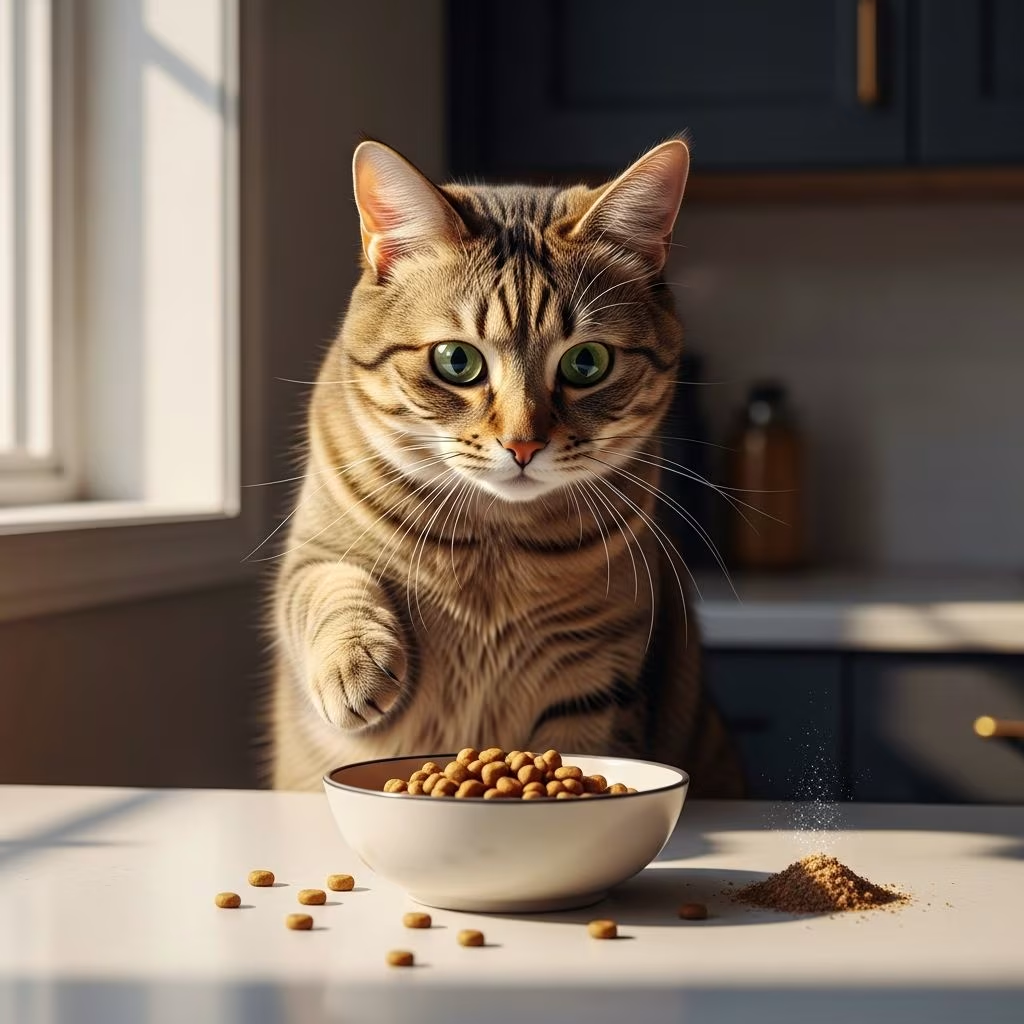
Your cat pawing frantically around their food bowl might seem odd, but it’s a deeply rooted instinct from their wild ancestors. This behavior, known as food caching, helps protect leftovers from scavengers, hide scents from predators, and store food for lean times.
The Evolutionary Instinct Behind Food Burying
Cats are obligate carnivores whose ancestors survived by hunting small prey. Securing a meal required immense energy—stalking, chasing, pouncing, and killing—so wasting it was not an option. Domestic cats retain this drive, even with kibble or canned food served daily.
Food caching serves multiple survival purposes:
- Hiding from predators and scavengers: Fresh kills emit strong odors that attract competitors like other cats, foxes, or birds. By burying food, cats mask the scent, preventing theft and avoiding drawing attention to their location.
- Storing for scarcity: Prey isn’t always abundant. Caching allows cats to save portions for later, especially since a domestic cat’s stomach holds only about a golf ball’s volume—too small for large meals.
- Reducing odor and cleaning: Covering leftovers minimizes smells that could lure ants or other pests indoors. Cats’ fastidious nature also prompts them to ‘clean’ their eating area with paw scrapes.
In the wild, feral cats dig shallow holes or use leaves to cover kills, returning hours later. House cats mimic this on hard floors or carpets, sometimes dragging towels or paper over bowls—a ‘fake bury’ that’s equally instinctive.
Why Domestic Cats Still Do It
Though your cat faces no real predators, genetics don’t fade. This behavior persists across breeds and ages, from kittens to seniors. It’s not rejection of food but an autopilot response to surplus. Overfeeding exacerbates it: if portions exceed what they eat in one sitting, they’ll cache the rest.
Is My Cat’s Food-Burying Behavior Normal?
Yes, occasional burying is harmless and normal. Most cats paw briefly before or after meals without issue. However, watch for extremes:
- Excessive pawing: Spending minutes scratching, damaging floors, or injuring paws signals distress.
- Burying before eating: Sniffing then covering uneaten food may indicate anxiety, dislike of the food’s taste/smell, or health problems like dental pain.
- Refusal to eat: Paired with burying, this could mean overfeeding, poor food quality, or illness. Cats skip meals to avoid ‘threats’ they can’t fight.
| Normal Burying | Concerning Burying |
|---|---|
| Brief pawing after partial meal Returns to eat later No floor damage or injury | Intense scratching pre/post meal Leaves food untouched Paw/face injuries or anxiety signs |
Stress from multi-pet homes, loud noises, or location changes amplifies this. Indoor territory marking also plays a role—cats ‘claim’ eating spots by covering.
Create a Calm Feeding Environment
Optimize your cat’s setup to minimize burying urges and stress:
- Quiet, private space: Feed in a low-traffic area away from dogs or other cats. This reduces competition fears.
- Strategic positioning: Place bowls against a wall (back to safety) or elevated on counters/stands. Many cats prefer high perches for vigilance while eating.
- Right bowl type: Use shallow, wide ceramic or stainless steel bowls. Deep ones cramp whiskers; plastic retains odors.
- Portion control: Offer small meals multiple times daily matching their golf-ball stomach. Remove uneaten wet food after 20-30 minutes to prevent spoilage.
- Food trials: If burying signals dislike, rotate flavors/textures. Warm wet food enhances aroma.
For multi-cat homes, separate feeding stations prevent rivalry. Puzzle feeders engage instincts, slowing intake to natural levels.
Addressing Overfeeding and Health Checks
Track intake: adult cats need 20-30 calories per pound daily, adjusted for activity. Excess leads to obesity and caching. Consult a vet if burying pairs with weight loss, vomiting, or lethargy—could indicate nausea or disease.
Related Behaviors: Why Cats Bury Poop
Burying waste mirrors food caching: covering scat hides scents from predators, maintaining stealth. Feral cats bury in soft soil; domestics instinctively use litter’s sandy texture. Failure to bury signals stress or marking intent.
Bottom Line
Food burying is a benign echo of survival instincts—hiding, storing, and scent-masking. Intervene only if it harms your cat or home: refine environment, portions, and monitor stress. A peaceful setup lets instincts coexist with domestic life.
Frequently Asked Questions (FAQs)
Why do cats try to bury their food?
Cats bury food to shield it from scavengers/predators, store leftovers for scarcity, and mask odors. It’s inherited from wild ancestors.
Does burying food mean my cat is unhappy?
Not necessarily—it’s often instinct. But frequent pre-eating burying may signal stress, food aversion, or health issues. Ensure a calm space.
Should I stop my cat from burying food?
No, unless it causes damage/injury. Adjust feeding to reduce triggers instead.
Why does my cat bury food then uncover it?
This ‘fake bury’ mimics wild caching rituals. They may return soon after.
Is burying more common in certain cats?
It appears in all, but stressed, multi-pet, or overfed cats do it more.
References
- Why Do Cats Bury Their Food? Instincts and Solutions Explained — Kinship. 2023. https://www.kinship.com/cat-behavior/why-does-my-cat-try-to-bury-their-food
- Why Does My Cat Bury Her Food? Instincts You Didn’t Expect — WOpet. 2024. https://wopet.com/cats/why-does-my-cat-bury-her-food/
- Why does my cat try to cover or bury her food? — Cat in the Box LLC. 2023. https://thecatisinthebox.com/blogs/kitty-contemplations/why-does-my-cat-try-to-cover-or-bury-her-food
- Why Do Cats Try To Bury Their Food? — Litter-Robot. 2024. https://www.litter-robot.com/blog/cat-burying-food/
- Why Does My Cat Try to Bury Her Food? 3 Vet-Reviewed Reasons — Catster. 2025. https://www.catster.com/cat-behavior/why-does-my-cat-try-to-bury-her-food/



