

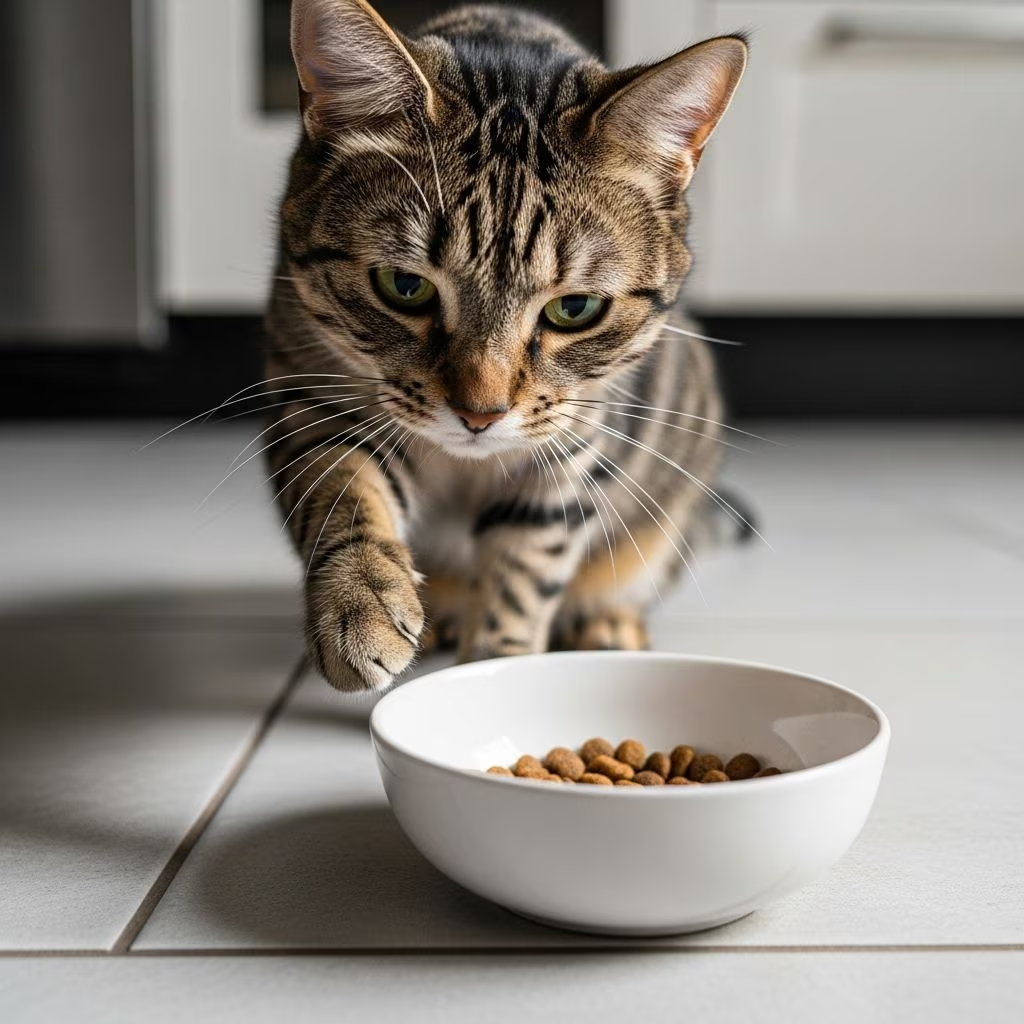
Your cat pawing at her food bowl, scratching around it frantically, or even dragging items over it might seem odd, but it’s a common behavior rooted in deep instincts. Domestic cats often attempt to “bury” uneaten food, mimicking wild survival tactics like hiding kills from competitors. This article explores the primary reasons—caching for later, concealing scents, and territorial instincts—plus when it signals stress or health issues, and practical solutions to make mealtime peaceful.
What Does It Mean When Cats Try to Bury Their Food?
Cats “burying” food involves scratching motions around or over the bowl without actual dirt, sometimes uncovering it later. This “fake burying” or caching persists in house cats despite plentiful food, as it’s hardwired from wild ancestors who hunted small prey like rodents or birds. In the wild, a single kill might exceed a cat’s immediate needs—a stomach roughly ping-pong ball-sized—so leftovers are hidden to prevent spoilage or theft. Indoor cats retain this, pawing to cover kibble or wet food, even pushing bowls or fetching towels/newspapers to drape over it.
Observing this, owners worry about rejection or illness, but it’s usually benign. Excessive pawing before eating, however, could indicate dislike of food texture/smell or anxiety. Feral cats do the same with kills, returning hours later, proving it’s not fussiness but survival programming.
Reason 1: Hiding Food for Later (Caching Behavior)
The top reason cats bury food is caching: storing surplus for lean times. Wild felines expend huge energy hunting—stalking, pouncing, killing—so they cache uneaten portions to eat over hours or days, as prey decomposes quickly in small stomachs. Domestic cats, fed on schedules, still act this out, scratching to “hide” extras instinctively.
- Wild Roots: African wildcats (Felis silvestris lybica), domestic cats’ ancestors, bury kills under leaves/soil to deter scavengers like hyenas or rival cats.
- Indoor Parallel: Your cat might eat half a meal, bury the rest, then “dig it up” later—mimicking returning to a cache.
- Overfeeding Link: Frequent burying signals portions too large; cats prefer multiple small meals matching natural hunting (10-20 daily).
Studies on feral cats confirm caching extends food life slightly by cooling meat and blocking air. No need to intervene unless it damages floors/paws.
Reason 2: Concealing the Scent from Predators and Competitors
Burying masks the strong odor of fresh meat, alerting fewer threats. In the wild, a kill’s smell draws predators (lions, dogs) or scavengers (ants, birds), risking theft or attack on the cat herself. Pawing simulates covering with earth, reducing detectability.
House cats “cover tracks” similarly: burying poop follows the same logic, hiding presence from rivals. Indoors, this targets perceived competitors like dogs, other cats, or even humans. Cleanliness plays in—cats loathe messy areas, so burying tidies post-meal.
| Wild Purpose | Indoor Manifestation |
|---|---|
| Hide scent from predators/scavengers | Pawing around bowl to mask food smell |
| Prevent theft by rivals | Burying in multi-pet homes |
| Cover tracks to avoid detection | Dragging fabrics over uneaten kibble/wet food |
Reason 3: Territorial Marking and Reducing Competition
Cats are territorial solitarians; burying claims food as theirs, discouraging intruders. Even alone, instinct drives covering to assert control. In multi-cat homes, stressed felines bury more to “remove” rivals’ access.
Large portions trigger this—cats hunt small prey, so excess feels like a windfall to cache/guard. Some dislike bowl scents accumulating old food, burying to “refresh”.
Is Burying Food a Sign of Stress or Health Problems?
Normal burying is harmless, but watch for red flags:
- Anxiety: Pawing before eating, paired with hiding or refusal, signals fear of competition/noise.
- Health Issues: Sudden onset with weight loss/vomiting? Dental pain or illness reduces appetite, prompting bury-to-hide.
- Overfeeding: Consistent covering of full bowls means downsize portions.
- Environmental Stress: Loud areas, dogs nearby, or dirty bowls amplify behavior.
Consult a vet if burying escalates, cat skips meals >24 hours, or shows lethargy. Most cases resolve with tweaks.
How to Stop Your Cat from Burying Food (If Needed)
Don’t punish—it’s instinct. Instead, optimize:
- Portion Control: Feed golf-ball-sized meals 4-6x/day; use puzzle feeders to mimic hunting.
- Calm Space: Quiet corner, elevated surface, back-to-wall for security.
- Bowl Choice: Shallow, wide ceramic/glass (no plastic scent); clean daily.
- Multi-Cat Homes: Separate feeding stations.
- Enrich Environment: Toys/scratching posts reduce stress.
Test flavors/textures; switch gradually if burying persists. Most cats adapt, burying less in ideal setups.
Related Behaviors: Why Do Cats Bury Poop?
Identical instinct: bury waste to hide scent/tracks from predators/rivals. Litter appeals to sandy paw-feel; unburied poop signals distress.
Frequently Asked Questions (FAQs)
Why do cats try to bury their food?
Cats bury food instinctively to cache leftovers for later, hide scents from predators/scavengers, and mark territory—survival traits from wild ancestors.
Does burying food mean my cat doesn’t like it?
Not always; it could be instinct or large portions. If she sniffs and walks away before burying, try new flavors or vet check for issues.
Is food-burying normal and harmless?
Yes, usually—unless excessive, damaging surfaces, or with appetite loss, indicating stress/health problems.
How can I stop my cat burying food?
Use smaller meals, quiet/elevated spots, clean shallow bowls, and reduce household stress.
Why do some cats drag things over food bowls?
Enhancing “burying” with fabrics/papers to fully cover, mimicking wild soil/leaf caching.
Bottom Line
Your cat’s food-burying is a fascinating glimpse into her wild heritage—caching, scent-hiding, and territoriality at play. Embrace it unless problematic; tweak feeding for harmony. A stress-free setup ensures she thrives.
References
- Why Do Cats Bury Their Food? Instincts and Solutions Explained — Kinship. 2023. https://www.kinship.com/cat-behavior/why-does-my-cat-try-to-bury-their-food
- Why Does My Cat Bury Her Food? Instincts You Didn’t Expect — WOpet. 2024. https://wopet.com/cats/why-does-my-cat-bury-her-food/
- Why does my cat try to cover or bury her food? — The Cat is in the Box LLC. 2023. https://thecatisinthebox.com/blogs/kitty-contemplations/why-does-my-cat-try-to-cover-or-bury-her-food
- Why Do Cats Try To Bury Their Food? — Litter-Robot. 2024. https://www.litter-robot.com/blog/cat-burying-food/
- Why Does My Cat Try to Bury Her Food? 3 Vet-Reviewed Reasons — Catster. 2024-10-15. https://www.catster.com/cat-behavior/why-does-my-cat-try-to-bury-her-food/



