

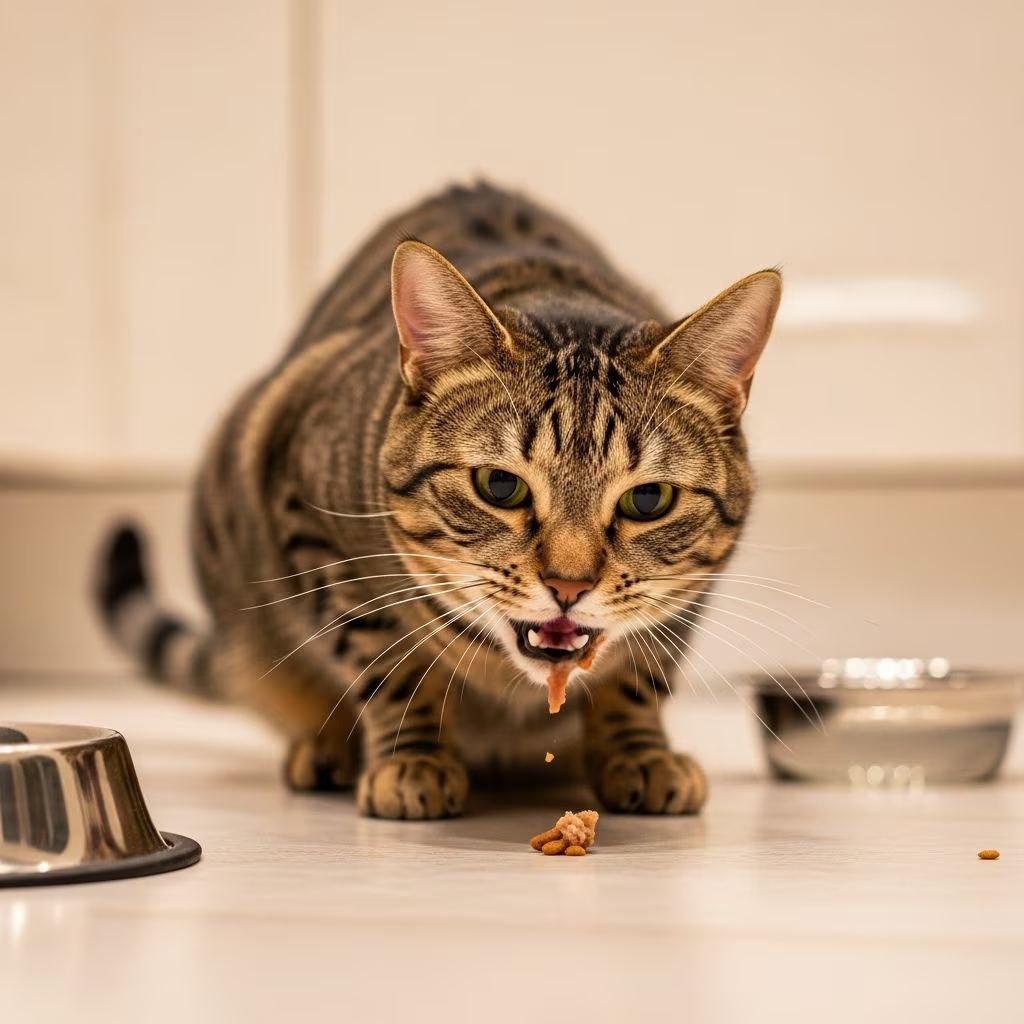
Seeing your cat throw up after eating can be alarming, but it’s a common issue among felines. Vomiting occurs when the stomach forcefully expels contents, often due to irritation, overeating, or underlying health problems. While occasional episodes may resolve on their own, frequent vomiting warrants attention to rule out serious conditions. This article breaks down the reasons behind post-meal vomiting, how to differentiate it from regurgitation, what the vomit looks like, prevention strategies, and when to contact a veterinarian.
Understanding Vomiting vs. Regurgitation in Cats
It’s crucial to distinguish between **vomiting** and **regurgitation**, as they indicate different issues. Vomiting is an active process involving retching and abdominal contractions, expelling partially digested food, bile, or foam from the stomach. Regurgitation, by contrast, is passive—food is effortlessly brought up from the esophagus shortly after eating, appearing undigested and tubular in shape.
- Vomiting signs: Retching, drooling, lethargy; vomit may contain bile, blood, or foam.
- Regurgitation signs: No effort; occurs immediately post-meal; food looks unchanged.
Regurgitation often links to esophageal problems like inflammation, strictures, megaesophagus, or hiatal hernia. If your cat passively spits up food soon after eating, monitor closely and consult a vet to prevent aspiration pneumonia.
Common Causes of Cat Vomiting After Eating
Several benign factors cause cats to vomit post-meal. Understanding these helps identify if it’s a simple fix or something more.
Eating Too Much or Too Quickly
Cats, especially kittens or competitive multi-cat households, often gulp food rapidly, swallowing air and overwhelming the stomach. This leads to vomiting undigested food shortly after. Kittens playing vigorously post-meal exacerbate this. Solution: Use slow-feeder bowls, puzzle feeders, or divide meals into smaller portions fed more frequently.
Hairballs
Grooming leads to ingestion of fur, forming hairballs that irritate the stomach or block the GI tract, prompting vomiting—often cylindrical with hair. Long-haired breeds or overgroomers are prone. Regular brushing and hairball remedies (petroleum-based pastes) reduce frequency.
Dietary Indiscretion
Curious cats eat grass, plants, spoiled food, or trash, causing gastric upset. Spoiled wet food (good for only 24 hours refrigerated) or cold food from the fridge irritates. Transition diets gradually and keep toxins out of reach.
Food Allergies or Intolerances
Sensitivities to beef, fish, dairy, or grains trigger vomiting, diarrhea, or itching. Symptoms appear consistently after specific meals. Vets recommend hypoallergenic or elimination diets for diagnosis.
Serious Causes of Vomiting After Eating
While common issues are harmless, persistent vomiting signals deeper problems, especially in older cats.
Intestinal Parasites
Worms like roundworms irritate the gut, causing vomiting, diarrhea, weight loss. Regular fecal exams and dewormers prevent this; bring a stool sample to your vet.
Pancreatitis
Inflammation of the pancreas from high-fat diets or obesity leads to vomiting, pain, appetite loss. Urgent vet care with fluids and pain management is needed.
Kidney Disease
Common in seniors, chronic kidney disease (CKD) causes toxin buildup, resulting in vomiting, thirst, weight loss. Bloodwork diagnoses; kidney diets slow progression.
Hyperthyroidism
Overactive thyroid in older cats increases metabolism, causing vomiting alongside weight loss and hyperactivity. Blood tests confirm; treatments include medication or surgery.
Other Serious Issues
- Inflammatory Bowel Disease (IBD): Chronic gut inflammation leads to vomiting food or bile.
- Cancer: GI tumors obstruct or irritate.
- Foreign Bodies: Swallowed strings/toys block intestines—emergency.
- Infections: Bacterial/viral or liver disease.
What Does the Vomit Look Like? Types and Meanings
Vomit appearance provides clues:
| Vomit Type | Description | Possible Causes |
|---|---|---|
| Undigested Food | Tubular, recent meal | Eating too fast, allergies, obstructions |
| Hairballs | Cylindrical with fur | Grooming excess |
| Yellow/Bile | Yellow liquid | Empty stomach, liver issues, IBD |
| White Foam | Foamy, clear/white | Gastritis, empty stomach |
| Blood (Red) | Bright red streaks | Ulcers, trauma |
| Black (Digested Blood) | Coffee-ground like | GI bleeding, ulcers |
| Mucus | Thick, slimy | Intestinal inflammation |
Note timing: Immediate post-meal suggests regurgitation or fast eating; hours later indicates stomach issues.
When to See a Vet for Cat Vomiting
Don’t ignore vomiting. Seek immediate care if:
- Vomiting >2-3 times/day or >24 hours.
- Blood, bile, or unusual color.
- Lethargy, diarrhea, appetite loss, dehydration (skin tenting).
- Weight loss, abdominal pain.
- Kittens, seniors, or pre-existing conditions.
Vets diagnose via exam, bloodwork, imaging, or endoscopy.
How to Prevent Vomiting After Eating
- Slow Feeding: Puzzle bowls, smaller meals 3-4x/day.
- Grooming: Brush daily; hairball food/formulas.
- Diet: High-quality, consistent food; room-temp wet food.
- Parasite Control: Monthly preventives, vet checkups.
- Environment: No toxins/plants; separate feeders.
Treatment Options for Vomiting Cats
Treatments vary by cause:
- Benign: Withhold food 12-24 hours, then bland diet (boiled chicken/rice).
- Hairballs: Laxatives, diet change.
- Allergies: Hypoallergenic food.
- Serious: Fluids, anti-nausea meds (Cerenia), surgery for obstructions.
Never medicate without vet advice.
Frequently Asked Questions (FAQs)
Is it normal for cats to throw up after eating?
Occasional vomiting from hairballs or fast eating is common, but frequent episodes aren’t normal and need investigation.
How do I stop my cat from throwing up after eating?
Use slow feeders, smaller meals, brush fur, and ensure quality diet. Persistent issues require vet evaluation.
Should I feed my cat after vomiting?
Wait 12-24 hours, offer water, then small bland meals if no recurrence. Consult vet if unsure.
Can cat vomiting after eating be cancer?
Yes, especially with weight loss or blood; older cats are at risk. Early vet detection improves outcomes.
What home remedies help cat vomiting?
Blunt diet, hydration, rest. Avoid if symptoms persist—professional care is best.
This comprehensive guide empowers you to address your cat’s vomiting. Monitor closely and prioritize vet visits for peace of mind.
References
- Cat Throwing Up: Causes & Signs of Serious Issues — Purina. 2023. https://www.purina.com/articles/cat/health/digestion/why-is-my-cat-throwing-up
- Cat Vomiting: 10 Causes and How to Help — Lagniappe Animal Health. 2023. https://lagniappeanimalhealth.com/blog/cat-vomiting-causes-in-ruston-la/
- My Cat Won’t Stop Vomiting: What to Do & When to Worry — Woburn Animal Hospital. 2024-04-30. https://www.woburnanimalhospital.com/site/blog/2024/04/30/cat-wont-stop-vomiting
- Cat Vomiting: Causes, Types, and What to Do — PetMD. 2023. https://www.petmd.com/cat/symptoms/cat-vomiting-causes-and-types
- 7 Possible Causes for Cat Vomiting and How To Help Your Pet — Pets Furst Urgent Care. 2023. https://petsfursturgentcare.com/blog/cat-vomiting/
- Why Is My Cat Vomiting? Common Causes and When to Worry — Gardens Animal Hospital. 2023. https://www.gardensanimalhospital.com/why-is-my-cat-vomiting/
- Is Your Cat Vomiting? A Complete Guide to Causes and Care — Best Friends Animal Society. 2023. https://bestfriends.org/pet-care-resources/cat-throwing-causes-when-see-vet-treatment



