

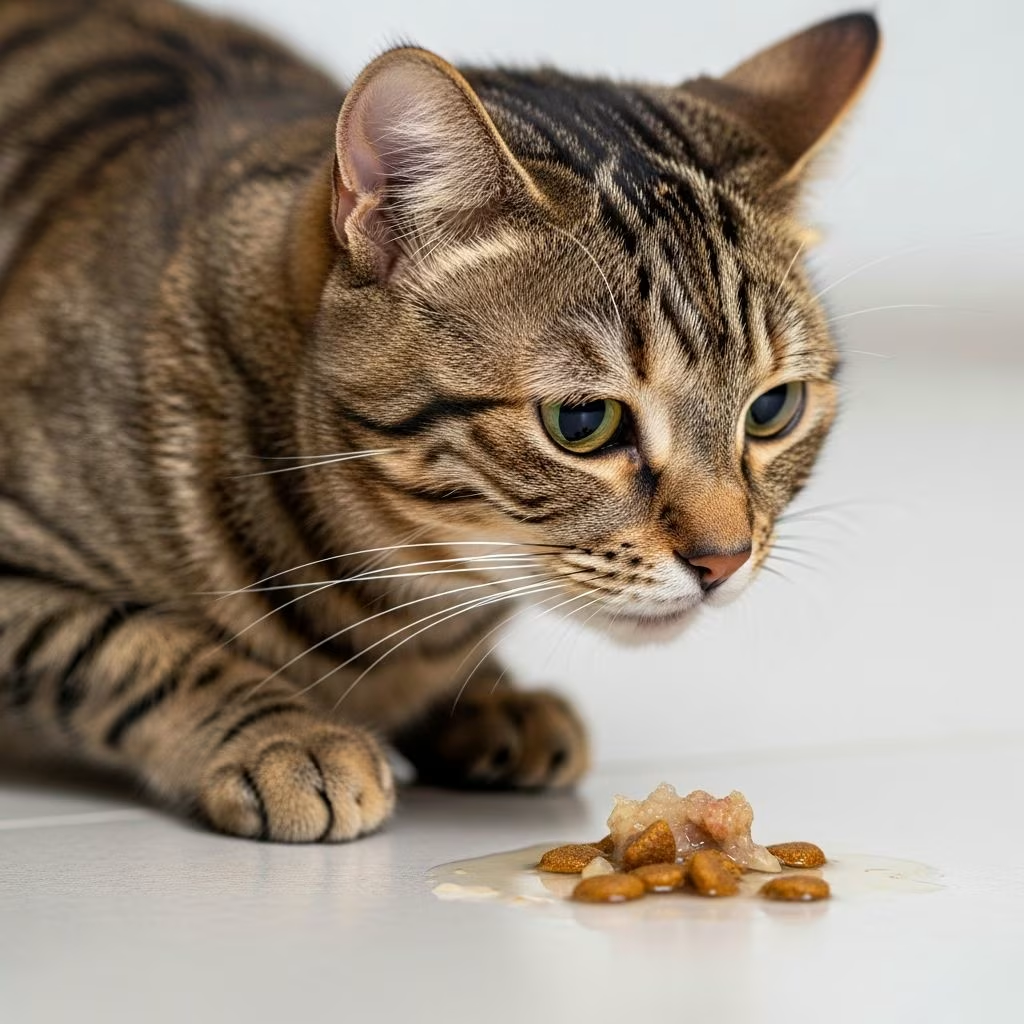
Why Does My Cat Throw Up After Eating?
If you’ve noticed your cat vomiting shortly after mealtime, you’re not alone. Cat vomiting is one of the most common concerns pet owners bring to their veterinarians. While occasional vomiting may not be cause for alarm, frequent episodes after eating can indicate underlying health issues that deserve attention. Understanding the difference between regurgitation and true vomiting, identifying the triggers, and knowing when to seek professional help are essential steps in protecting your feline friend’s health.
The key to addressing this issue lies in careful observation. By noting when your cat vomits, what the vomitus looks like, and any accompanying symptoms, you can provide your veterinarian with valuable information that leads to faster diagnosis and appropriate treatment.
Regurgitation vs. Vomiting: What’s the Difference?
Before exploring the causes of post-meal vomiting, it’s important to distinguish between regurgitation and true vomiting, as they indicate different underlying problems.
Regurgitation occurs when food is expelled from the esophagus before reaching the stomach for digestion. This typically happens shortly after eating and the expelled material usually appears in a tube or mushy pile shape, largely undigested. Common causes of regurgitation include eating too quickly, esophageal inflammation, esophageal constrictions, megaesophagus, and foreign bodies lodged in the esophagus.
True vomiting involves the stomach’s forceful expulsion of its contents after digestion has begun. This is an active process where the abdominal muscles contract, and the material expelled is typically more digested and may contain bile or blood. Vomiting can indicate more serious gastrointestinal or systemic issues.
Common Causes of Post-Meal Vomiting
Eating Too Quickly
One of the most frequent reasons cats vomit after eating is consuming food too rapidly. When cats eat too fast, they often fail to chew properly, and food may not be adequately broken down before entering the stomach. Additionally, rapid eating causes air to be swallowed along with food, creating discomfort and leading to regurgitation.
This issue is particularly common in multi-cat households where competition for food creates a sense of urgency. Kittens are also notorious for eating too quickly as they haven’t yet developed proper eating habits.
To address this issue, consider using slow-feeder bowls designed with obstacles that force your cat to eat around barriers. Alternatively, divide meals into smaller, more frequent servings throughout the day to reduce the volume consumed at once.
Hairballs
Hairballs rank among the most common causes of vomiting in cats, particularly those with longer coats or cats that overgroom. When cats groom themselves, they ingest loose hair that accumulates in the stomach and can cause a blockage in the gastrointestinal tract. This accumulation triggers nausea and vomiting as the cat’s body attempts to expel the hairball.
While occasional hairballs are normal, frequent vomiting of hairballs may indicate excessive grooming due to stress, skin conditions, or other underlying health issues. Regular brushing can significantly reduce the amount of loose hair your cat ingests, helping prevent hairball formation.
Dietary Changes and Food Intolerances
Cats have sensitive digestive systems, and sudden dietary changes can trigger vomiting and gastrointestinal upset. When switching your cat to a new food, always make the transition gradually over 7-10 days, mixing increasing amounts of new food with decreasing amounts of old food.
Food allergies and intolerances are also common culprits. Common allergens for cats include dairy products and beef. If your cat consistently vomits after eating a particular type of food, a food allergy or intolerance may be responsible. Working with your veterinarian to identify problematic ingredients and switching to an elimination diet can help resolve the issue.
Ingestion of Foreign Objects
Curious cats sometimes ingest non-food items such as toys, strings, plants, or grass, which can cause gastrointestinal irritation and vomiting. While some foreign objects pass through the digestive system naturally, others may become lodged and require surgical removal. If you suspect your cat has ingested a foreign object, contact your veterinarian immediately.
Gastric Irritation
Simple gastric irritation can occur from eating irritating substances or from the stomach lining becoming inflamed. This may resolve on its own with rest and a bland diet, but persistent cases warrant veterinary evaluation to rule out more serious conditions.
Serious Medical Conditions Associated with Vomiting
Kidney Disease
Chronic kidney disease is among the most common health conditions in older cats and frequently causes post-meal vomiting. The kidneys’ role in filtering waste products means that kidney dysfunction allows toxins to accumulate, triggering nausea and vomiting. Additional symptoms include increased thirst, weight loss, and decreased appetite.
Early detection through regular veterinary checkups and blood work is crucial. Once diagnosed, special kidney-friendly diets and appropriate medical management can slow disease progression and improve quality of life.
Hyperthyroidism
Hyperthyroidism, where the thyroid gland produces excess hormones, is particularly common in older cats. Affected cats often experience vomiting, increased appetite despite weight loss, and gastrointestinal distress. This condition is treatable through medication, dietary management, or radioactive iodine therapy, depending on the severity and your cat’s age and health status.
Cancer
Cancer, particularly lymphoma (a rapid spreading of hostile white cells called lymphocytes), can cause persistent vomiting in cats. Affected cats may show weight loss, lethargy, loss of appetite, and general decline in health. Early detection through veterinary examination and diagnostic testing is essential for treatment options.
Inflammatory Bowel Disease
Inflammatory bowel disease (IBD) causes chronic inflammation of the digestive tract, leading to recurring vomiting, diarrhea, and weight loss. This condition is managed through dietary modifications, probiotics, and sometimes medication to reduce inflammation.
Pancreatitis
Pancreatitis, inflammation of the pancreas, causes vomiting, abdominal pain, and loss of appetite. While the exact cause is often unknown, high-fat diets, obesity, certain medications, and other underlying health conditions can trigger it. Prompt veterinary care is crucial to prevent serious complications.
Liver Disease
The liver’s role in detoxifying the body means that liver dysfunction allows toxins to accumulate, causing nausea and vomiting. Liver disease requires prompt veterinary attention and appropriate management.
Parasites
Intestinal parasites, including worms, can cause vomiting and gastrointestinal distress. If your cat vomits a worm, all animals in the household need deworming. Additionally, take extra care with your cat’s litter box to prevent reinfection.
Understanding Vomit Appearance
The appearance of your cat’s vomit provides clues about the underlying cause. Here’s what different types of vomit may indicate:
| Vomit Appearance | Color/Type | Possible Causes |
|---|---|---|
| Food | Tubular or mushy shape | Eating too much or too fast; regurgitation |
| Hairballs | Clumped hair | Excessive grooming or long coat |
| White foam | White/foamy | Inflamed stomach or small intestine lining |
| Bile | Yellow | Empty stomach or bilious vomiting syndrome |
| Blood | Red or brown liquid | Ulcerations or repeated vomiting irritating tissue |
| Digested blood | Black liquid | Ulcerations, foreign bodies, or intestinal inflammation |
| Small intestine contents | Green | Contents from small intestines |
| Clear liquid | Clear | Excessive water consumption |
When to Seek Veterinary Care
While occasional vomiting may not require immediate attention, certain situations demand prompt veterinary evaluation:
- Your cat vomits several times in succession
- Vomiting is accompanied by other symptoms (diarrhea, lethargy, loss of appetite)
- Your cat refuses to eat or drink for 12 hours after vomiting multiple times
- Your cat has pale or cold gums
- Your cat vomits a worm or other foreign object
- Your cat has a pre-existing condition like diabetes or hyperthyroidism
- Vomiting persists for more than a few days
- Your cat shows signs of pain or distress
What to Expect at the Veterinary Clinic
When you bring your cat to the veterinarian for vomiting concerns, be prepared to provide detailed information about:
- The frequency and timing of vomiting episodes
- The appearance, odor, and consistency of vomitus
- Recent dietary changes or access to potentially toxic substances
- Current medications
- Any human foods or toxic items your cat may have consumed
- Associated symptoms such as weight loss, depression, or lethargy
- Pain or signs of distress
Your veterinarian will conduct a thorough physical examination and may recommend diagnostic tests such as blood work, urinalysis, fecal examination, imaging (X-rays or ultrasound), or endoscopy, depending on the suspected cause.
Special Considerations for Kittens and Senior Cats
Kitten Vomiting
Kittens vomit more frequently than adult cats, and causes vary widely. Common triggers include stress from rehoming, ingestion of toxic houseplants, gastrointestinal infections, travel sickness, and difficulty transitioning to solid food during weaning. If your kitten is vomiting, provide different solid food options to encourage acceptance, as kittens are motivated to try new foods and typically adjust well when given choices.
Senior Cat Vomiting
Older cats experiencing frequent vomiting should receive prompt veterinary attention, as their immune systems are less robust than younger felines. The most common causes of nausea and sickness in senior cats include chronic small intestinal disease, cancer (particularly lymphoma), hyperthyroidism, and kidney failure. Early intervention can improve outcomes and quality of life.
Frequently Asked Questions
Q: How can I prevent my cat from throwing up after eating?
A: Use slow-feeder bowls, divide meals into smaller portions, avoid sudden dietary changes, maintain a regular grooming schedule to reduce hairballs, and ensure your home is free of toxic plants and foreign objects. If vomiting persists despite these measures, consult your veterinarian to rule out medical conditions.
Q: Is it normal for cats to vomit occasionally?
A: Occasional vomiting (once or twice monthly) can be normal, especially hairballs in cats with longer coats. However, frequent vomiting (weekly or more often) warrants veterinary evaluation to identify underlying causes.
Q: What should I feed my cat after vomiting?
A: After vomiting, offer small amounts of bland, easily digestible food such as plain cooked chicken or a veterinary-prescribed bland diet. Avoid rich, fatty, or novel foods for 24-48 hours until your cat’s digestive system stabilizes.
Q: Can stress cause my cat to vomit?
A: Yes, stress from environmental changes, new pets, moving, or rehoming can trigger vomiting in cats, particularly kittens. Creating a calm, stable environment with hiding spaces and gradual introductions to changes can help reduce stress-related vomiting.
Q: How long should I wait before contacting a vet about my cat’s vomiting?
A: Contact your veterinarian immediately if your cat vomits multiple times, shows signs of distress, refuses food or water for 12 hours, or has concerning symptoms. For isolated vomiting episodes, monitor closely and schedule a veterinary appointment within 24-48 hours if vomiting continues or worsens.
References
- Why Does My Cat Throw Up Their Food? — Untamed. 2024. https://untamed.com/blogs/nutrition/cat-vomiting-food
- Cat Throwing Up: Causes & Signs of Serious Issues — Purina. 2024. https://www.purina.com/articles/cat/health/digestion/why-is-my-cat-throwing-up
- Why Is Your Cat Throwing Up Food — Boulder Veterinary Hospital. 2024. https://bouldervet.com/blog/why-is-your-cat-throwing-up-food/
- Cat Vomiting: Causes, Types, and What to Do — PetMD. 2024. https://www.petmd.com/cat/symptoms/cat-vomiting-causes-and-types
- Cat Vomiting: 10 Causes and How to Help — Lagniappe Animal Health. 2024. https://lagniappeanimalhealth.com/blog/cat-vomiting-causes-in-ruston-la/
- 7 Possible Causes for Cat Vomiting and How To Help Your Pet — Pets First Urgent Care. 2024. https://petsfursturgentcare.com/blog/cat-vomiting/
- Why Is My Cat Vomiting? Common Causes and When to Worry — Gardens Animal Hospital. 2024. https://www.gardensanimalhospital.com/why-is-my-cat-vomiting/



