

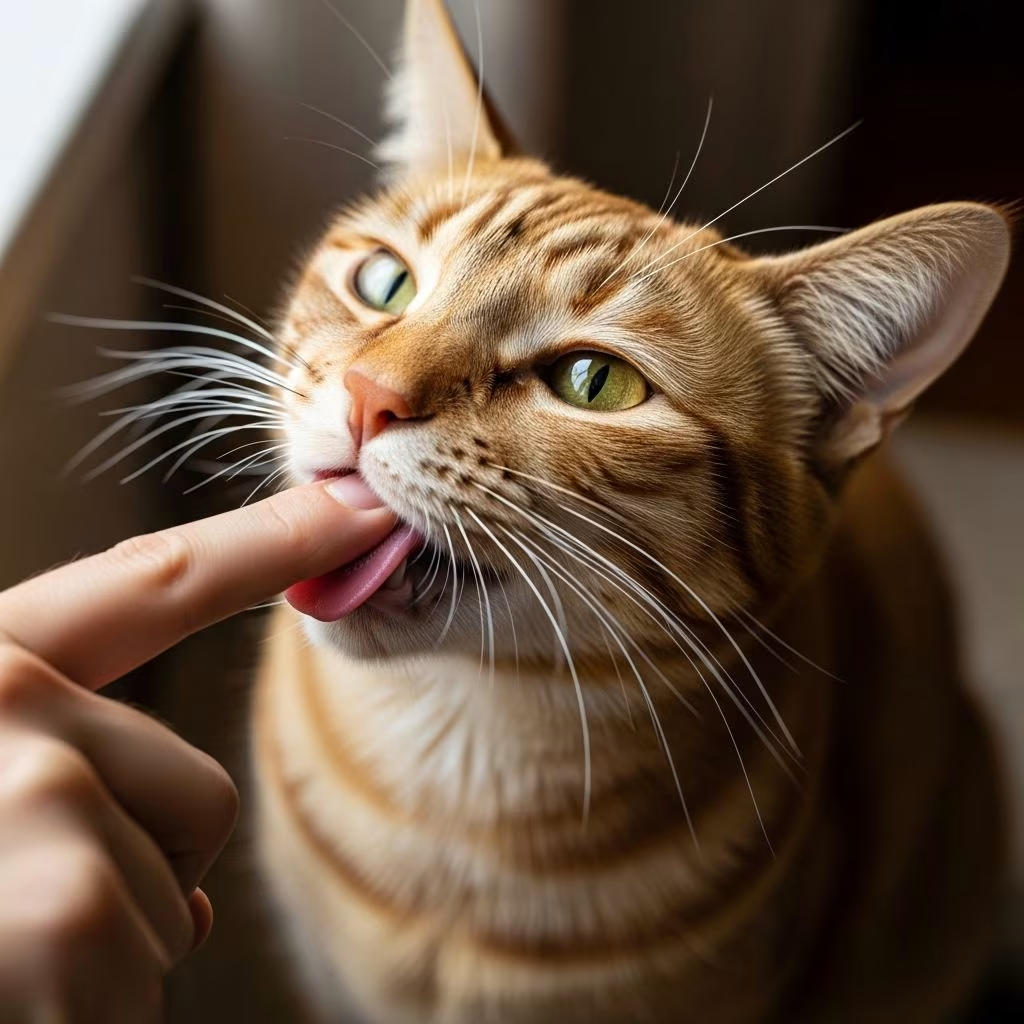
Cat suckling on fingers is a common yet puzzling behavior that many owners observe. This action, often accompanied by kneading and purring, mimics kitten nursing and can stem from comfort-seeking instincts persisting into adulthood. While generally harmless, understanding the root causes helps determine if intervention is needed.
Veterinarians identify three primary reasons: early weaning, signs of distress, and pica—a condition involving ingestion of non-food items. These factors influence why some cats target human fingers, blankets, or clothing. Early detection ensures your cat’s well-being without unnecessary alarm.
The 3 Reasons Why Your Cat Sucks on Your Fingers
Multiple factors contribute to this endearing habit. Below, we explore the top vet-reviewed explanations, supported by feline behavior research.
1. Weaned Too Early
The most frequent cause is premature weaning, where kittens are separated from their mother before fully transitioning to solid food, typically around 8-12 weeks. During nursing, kittens associate suckling with milk, warmth, and security. If disrupted abruptly, this comfort behavior lingers.
Hand-reared or early-weaned kittens often suckle on soft objects like fingers, mimicking the nipple sensation. This persists in adulthood as a self-soothing mechanism, especially during stress or contentment. Studies note higher incidence in bottle-fed orphans lacking maternal socialization.
Natural weaning allows gradual independence, promoting mobility, socialization, and reduced reliance on milk. Interrupting this process heightens risks of developmental quirks like finger suckling.
2. Sign of Distress
Distress triggers compulsive behaviors, including finger suckling, as a coping strategy. Cats under stress may exhibit self-soothing actions like paw sucking, tail chewing, over-grooming, or fabric nursing. This resembles human comfort habits like thumb-sucking.
Underlying causes range from behavioral to medical. Monitor for accompanying symptoms:
- Increased vocalization or meowing
- Urinating outside the litter box
- Aggression toward people or other pets
- Low energy or lethargy
- Hiding more than usual
- Reduced appetite or water intake
- Vomiting or diarrhea
Potential contributors include:
- Behavioral: Boredom, anxiety, lack of socialization
- Genetics: Predisposition in breeds like Siamese
- Medical: Gastrointestinal issues, endocrine disorders (e.g., diabetes, hypothyroidism), neurological conditions, parasites, poor nutrition, teething, or pyruvate kinase deficiency
A veterinary exam rules out pain or illness mimicking stress. Chronic stress from environmental changes can elicit displacement activities like suckling.
3. Pica or Compulsive Wool Sucking
Pica involves compulsive ingestion of inedible items, extending beyond suckling to eating fabrics, paper, or plants. Finger suckling may signal early pica, especially if progressing to swallowing objects, risking gastrointestinal blockages—a veterinary emergency.
Oriental breeds (Siamese, Balinese, Tonkinese) show genetic predisposition to wool sucking, often starting young and escalating to pica. This links to stress, nutrition deficits, or instincts. Differentiate comfort suckling (harmless, rhythmic) from pica (destructive, ingestive).
Genetics amplify risks in certain lines, with tail or fabric sucking common. Veterinary intervention monitors progression to prevent digestive complications.
Is It Harmful for Cats to Suck on Fingers?
Occasional finger suckling poses minimal risk, serving as emotional comfort akin to a security blanket. However, escalation to ingesting non-food items heightens dangers like foreign body obstruction, toxicity from plants, or nutritional imbalances.
Breeds like Siamese are prone due to genetics, but all cats benefit from monitoring. If limited to fingers without ingestion, it’s typically benign.
Other Causes of Cat Suckling Behavior
Beyond the top three, additional triggers include:
- Natural Instinct: Innate nursing rhythm with kneading and purring continues on soft surfaces.
- Lack of Socialization: Orphans without peer interaction develop attachment issues, suckling owners.
- Comfort and Contentment: Signals security, especially post-meal or during petting.
- Chronic Stress: Environmental changes prompt wool sucking or overgrooming.
These overlap, often combining early weaning with stress for persistent habits.
What to Do About Your Cat Suckling Your Fingers
Start with a vet visit to exclude medical issues. If cleared, assess if the behavior causes harm or stress. Comfort suckling rarely requires stopping, but deter if ingesting objects.
Ensure Your Cat’s Needs Are Being Met
Meet essentials to reduce compulsive tendencies:
- Mental Stimulation: Toys, puzzles, interactive play sessions daily.
- Nutritious Diet: High-quality food preventing deficiencies.
- Environment: Cat trees, hiding spots, scratching posts for territory control.
- Stress Reduction: Identify triggers (moves, new pets); use pheromone diffusers or vet-prescribed aids.
Enriching life minimizes reliance on suckling.
Management Strategies
| Strategy | How to Implement | Expected Outcome |
|---|---|---|
| Gentle Distraction | Offer toys or treats during suckling urges | Redirects to appropriate outlets |
| Environmental Enrichment | Add perches, tunnels, window seats | Reduces boredom-induced habits |
| Ignore Harmless Suckling | Avoid punishment; provide alternatives | Prevents escalation from attention |
| Vet Consultation | Check for pica or illness | Addresses root medical causes |
| Breed-Specific Monitoring | Extra vigilance for Oriental breeds | Prevents genetic pica progression |
Never yell or physically deter, as it heightens stress. Keep hazardous items inaccessible.
When to See a Vet
- New or sudden onset suckling
- Accompanied by illness signs
- Progression to ingestion or self-harm
- Weight loss, lethargy, or behavioral shifts
Prompt care prevents emergencies.
Frequently Asked Questions (FAQs)
Why do some cats suckle their humans?
Cats suckle humans due to early weaning, separation from mom, or hand-rearing. Some outgrow it; others continue for comfort on soft skin like fingers or elbows.
Will my cat outgrow suckling?
Many do post-weaning, but early-weaned or genetically prone cats may persist lifelong. It’s often harmless.
Is suckling a sign of illness?
Not directly, but sudden changes warrant vet checks for pain, dental issues, or stress-related diseases.
How can I stop my cat from suckling?
Enrich environment, distract positively, and consult vets. Forcing cessation increases anxiety.
Why do Siamese cats suckle more?
Genetic predisposition to wool sucking and pica in Oriental breeds heightens adult suckling tendencies.
Conclusion
Cat finger suckling often traces to early weaning, distress, or pica, providing comfort without harm in most cases. Vet evaluation ensures no issues, while enrichment meets needs. Embrace this quirk as affection, intervening only if risky. Your cat’s happiness hinges on a stimulating, stress-free home.
References
- Why Does My Cat Suck on My Fingers? 3 Vet-Reviewed Reasons — Catster. 2023. https://www.catster.com/cat-behavior/why-does-my-cat-suck-on-my-fingers/
- Why Do Cats Suckle? Top 6 Causes of Suckling In Cats — Cats.com. 2023. https://cats.com/why-do-cats-suckle
- Is Your Cat Suckling Blankets as an Adult? — PetMD. 2023. https://www.petmd.com/cat/behavior/why-do-cats-suckle-on-blankets
- Why Cats Suckle, and How To Stop It — Chewy. 2023. https://www.chewy.com/education/cat/training-and-behavior/how-can-i-stop-cats-suckling-behavior
- Is Your Cat Suckling Even As An Adult? — PetCareRx. 2023. https://www.petcarerx.com/article/is-your-cat-suckling-even-as-an-adult/3286



