

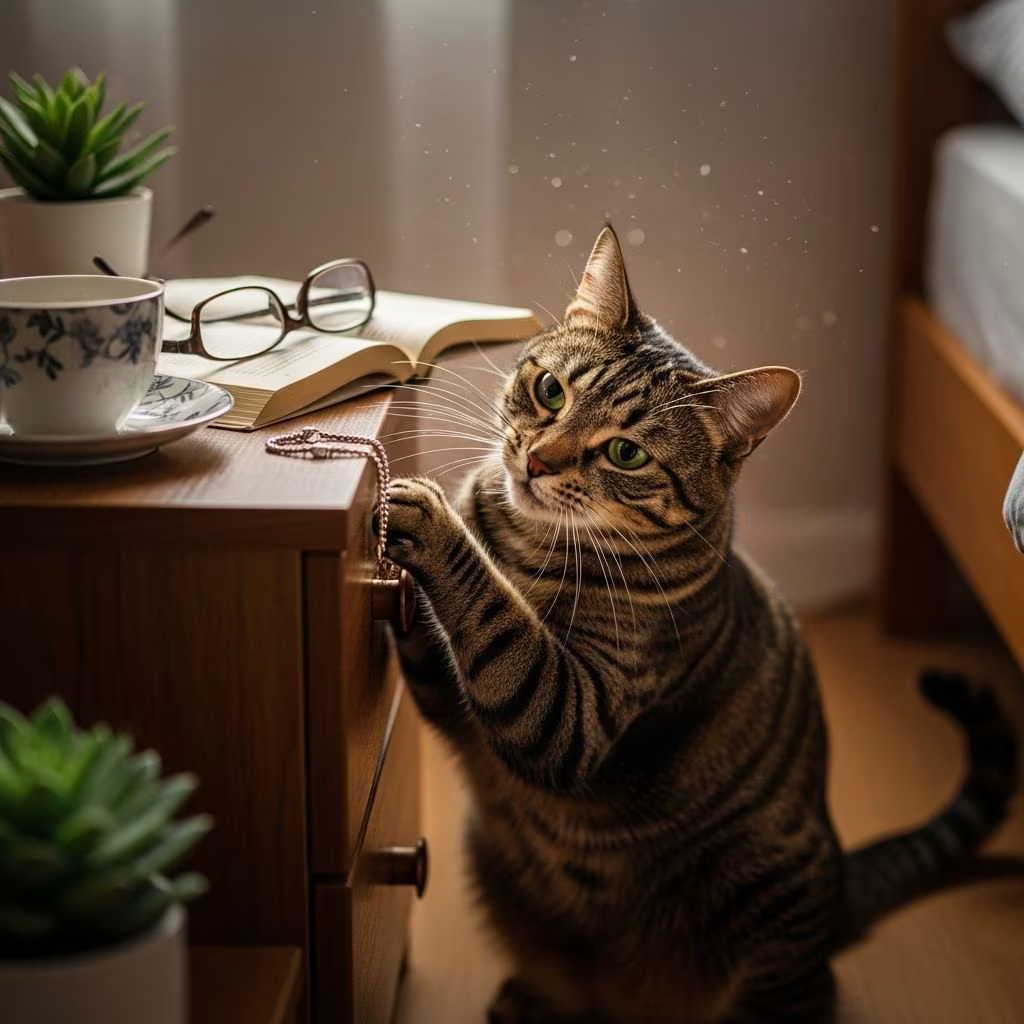
Cats have a notorious reputation for swiping small household items, from socks and hair ties to pens and even food scraps. This seemingly mischievous behavior, often called “cat burglary,” stems from deep-rooted instincts rather than malice. Understanding the motivations behind it—ranging from predatory drives to emotional needs—can help owners address it compassionately and effectively.
While harmless in moderation, excessive stealing can signal underlying issues like boredom or stress. In this comprehensive guide, we’ll explore the primary reasons cats steal, backed by feline behavior insights, and provide actionable strategies to redirect this habit. Whether your kitty is a collector, hunter, or attention-seeker, solutions exist to restore harmony in your home.
Table of Contents
- Introduction to Cat Stealing Behavior
- 8 Common Reasons Cats Steal Things
- Types of Cat Thieves
- Potential Dangers of Stealing
- How to Stop Your Cat from Stealing
- Real-Life Case Studies
- Frequently Asked Questions
Why Do Cats Steal? The Instinctual and Psychological Drivers
Domestic cats retain many wild traits from their ancestors, who were opportunistic hunters and scavengers. Stealing items mimics these survival behaviors in a safe home environment. Environmental factors, like accessible counters or unattended objects, exacerbate the issue, while psychological needs such as boredom or anxiety fuel it further.
Modern homes, with open kitchens and scattered belongings, provide endless temptations. Cats don’t distinguish between “yours” and “theirs”; to them, everything is potential territory. Learned rewards—successful thefts without consequence—reinforce the cycle.
1. Natural Hunting Instinct
Cats are obligate carnivores wired for the hunt. Small, movable objects like socks or bottle caps trigger their prey drive, simulating rodents or insects. They stalk, pounce, and “capture” these items as practice for real hunting.
This behavior peaks during dawn and dusk, their natural active periods. Agile cats leap onto counters to ambush unattended items, turning your living room into a savannah.
2. Boredom and Lack of Stimulation
Indoor cats with insufficient playtime resort to theft for entertainment. Without outlets for energy, they improvise hunts with household goods. Puzzle feeders and interactive toys can mitigate this by providing mental challenges.
3. Maternal or Nurturing Instincts
Female cats, especially those separated from kittens, may “steal” soft items like plush toys or clothing to nest and nurture. This simulates carrying kittens to safety, a hardwired maternal response.
4. Attention-Seeking (The Showoff)
Some cats steal overtly to provoke a chase or reaction, thriving on the interaction. Chasing them back reinforces the game, so ignore thefts and reward calm behavior instead.
5. Resource Guarding or Collection
“Collector” cats hoard items in beds or under furniture, treating them as treasures. This isn’t aggressive unless paired with anxiety; most return items peacefully.
6. Texture and Sound Appeal (Nature Lover)
Cats gravitate toward crinkly paper or sliding caps that rustle like leaves or mimic insect noises, evoking outdoor adventures.
7. Chewing or Food Motivation
Chewers target rubber bands or plastics resembling meat textures, posing ingestion risks. Food thieves snag scraps due to hunger, better taste, or competition.
8. Stress, Anxiety, or Medical Issues
Rescue cats or those with hyperthyroidism/diabetes may steal compulsively from heightened hunger or stress. Consult a vet to rule out health problems.
Types of Cat Thieves: A Breakdown
| Type | Behavior | Common Targets | Solution |
|---|---|---|---|
| Collector | Hoards items secretly | Socks, toys | Provide hiding spots with toys |
| Hunter | Pounces and bats | Small movables | Interactive play sessions |
| Nature Lover | Attracted to sounds/textures | Paper, caps | Nature-mimicking toys |
| Chewer | Eats stolen goods | Rubber, plastic | Supervise, safe chews |
| Foodie | Counter surfs | Food scraps | Puzzle feeders, barriers |
| Nurturer | Carries like kittens | Soft fabrics | Motherhood toys |
| Showoff | Steals in view | Anything chaseable | Ignore, scheduled play |
This table categorizes thieves based on observed patterns, helping identify your cat’s type for targeted intervention.
Dangers of Cat Stealing Behavior
- Choking Hazards: Rubber bands and strings can cause intestinal blockages, requiring surgery.
- Toxicity: Ingesting human food or plastics leads to poisoning; keep toxins inaccessible.
- Obesity/Health Issues: Food theft causes weight gain, especially in multi-cat homes.
- Stress in Multi-Pet Homes: Bullying over resources sparks fights.
- Damage: Chewing cords risks electrocution or fire.
How to Prevent and Stop Cat Stealing
Prevention emphasizes enrichment, consistency, and management over punishment, which increases anxiety.
Environmental Management
- Secure counters with baby gates during meals.
- Store items in closed bins or high shelves.
- Create vertical spaces like cat trees for perching.
Training Techniques
- Redirect: Offer toys mimicking stolen items during play.
- Puzzle Feeders: Slow eating, reduce begging.
- “Leave It” Command: Reward ignoring temptations.
- Scheduled Feeding: Automatic feeders prevent hunger-driven theft.
Enrichment Strategies
- Daily 15-20 minute play sessions with wand toys.
- Rotate toys to combat boredom.
- Cat furniture for climbing and scratching.
Real-Life Case Studies
Case 1: Max the Labrador Mix (Adapted for Cats)
High-motivation cat Luna scavenged counters. Solution: Puzzle feeders, gates, and perch rewards eliminated behavior.
Case 2: Stray Cat Duo
Anxiety drove theft; fixed with timed feeding and vertical enrichment.
Case 3: Multi-Cat Teamwork
Cats “teamed up”; separate feeding rooms and training resolved it.
These highlight structure’s role over punishment.
Frequently Asked Questions (FAQs)
Q: Is cat stealing normal?
A: Yes, it’s common and instinctual unless excessive or harmful.
Q: Why does my cat steal food specifically?
A: Hunger, taste preference, or bullying; feed separately.
Q: How do I train my cat not to steal?
A: Use redirection, enrichment, and management; avoid chasing.
Q: When should I see a vet for stealing?
A: If sudden, with weight loss or anxiety signs—could indicate illness.
Q: Do all cats steal?
A: No, but many do; enrichment reduces likelihood.
Q: Can spaying/neutering stop it?
A: May reduce maternal stealing in females, but not always.
Stealing reflects your cat’s vibrant instincts—channel them positively for a happier home.
References
- Food Stealing Pets: Causes & Training to Prevent Counter Surfing — Pet Care Shed. 2023. https://petcareshed.com.au/blogs/pet-supplies/food-stealing-pets-training-to-prevent-counter-surfing
- Cats Who Are Cat Burglars: 8 Reasons Your Kitty Claims Your Stuff — Armarkat Blog. 2023. https://www.armarkat.com/blog/cats-who-are-cat-burglars-8-reasons-your-kitty-claims-your-stuff/
- Why Does My Cat Steal My Other Cat’s Food? — Cats.com. 2024. https://cats.com/why-does-my-cat-steal-my-other-cats-food



