

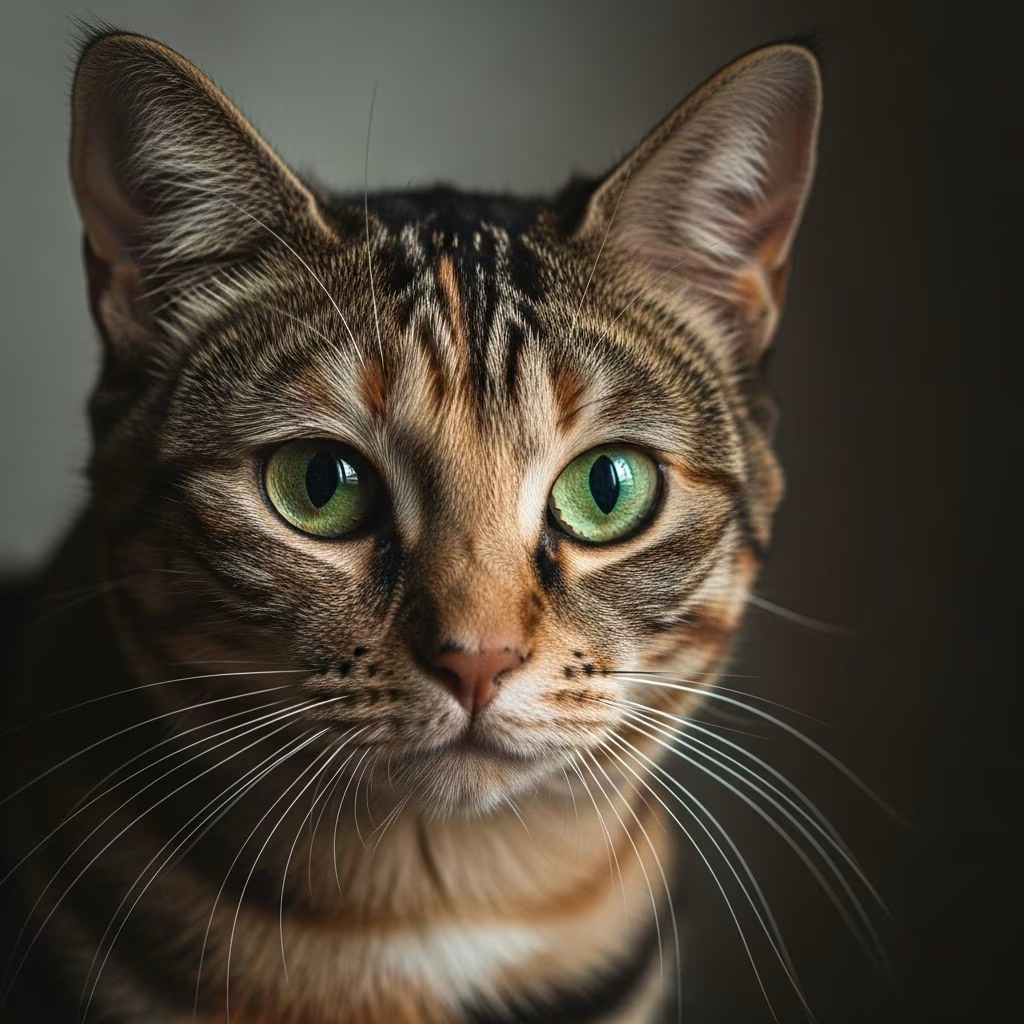
Your cat’s unblinking stare can feel intense, mysterious, or even unsettling. But this behavior is deeply rooted in their instincts, emotions, and superior senses. Cats stare for various reasons, from expressing love to signaling needs or monitoring their territory. Understanding these gazes strengthens your bond and helps spot potential health issues.
In this guide, we decode **10 common reasons** why cats stare at their owners, drawing from feline biology and behavior experts. We’ll cover normal behaviors, body language cues, and red flags requiring veterinary attention.
Table of Contents
- Reason #1: Your Cat Loves You
- Reason #2: It’s Hungry
- Reason #3: Curiosity
- Reason #4: Hunting Instincts
- Reason #5: Seeking Attention
- Reason #6: Territorial Monitoring
- Reason #7: Warning or Aggression
- Reason #8: Daydreaming or Zoning Out
- Reason #9: Superior Senses at Work
- Reason #10: Health or Vision Issues
- How to Respond to Your Cat’s Stare
- When to Worry About Cat Staring
Reason #1: Your Cat Loves You (Slow Blinks Are Cat Kisses)
One of the sweetest reasons cats stare is pure **affection**. When your cat locks eyes with half-closed eyes, slow blinks, and a relaxed body, it’s their way of saying “I love you.” This “cat kiss” releases positive emotions, similar to human smiling.
A study on cat-human communication confirms slow blinks signal trust and positivity. Return the gesture by slow-blinking back—your cat may respond, deepening your bond.
- Body language signs: Relaxed ears, soft whiskers, purring, kneading paws.
- Pro tip: Avoid prolonged direct stares, as cats see them as challenges.
Reason #2: It’s Hungry (Feed Me Now!)
Cats are masters of subtle (and not-so-subtle) communication. A direct stare often means **”I’m hungry.”** They position near food bowls or kitchens, staring intently until you notice.
This instinct stems from wild ancestors who signaled pack members for shared kills. Modern house cats retain this, especially around mealtimes.
| Mealtime Stare Signs | What to Do |
|---|---|
| Staring + pacing near bowl | Check food/water levels |
| Meowing or chirping added | Offer scheduled meal |
| Stare persists post-feeding | Rule out medical issues |
Reason #3: Curiosity (What’s That You’re Doing?)
**Curiosity** drives much cat staring. Whether you’re on your phone, cooking, or folding laundry, your cat watches to understand the unfamiliar. Their tilted head and focused gaze gather data on potential threats or play opportunities.
Cats’ brains process novel stimuli intensely, turning everyday activities into spectacles. This observational habit ensures environmental safety.
“Cats are highly observant creatures and may stare… as a way to assess their environment.”
Reason #4: Hunting Instincts (You’re the Prey?)
Behind every house cat lurks a **predator**. Staring mimics the “hunt focus,” where they track tiny movements like a twitching foot or laser pointer. Pupils dilate, body tenses—preparing for the pounce.
This explains staring at birds outside windows or shadows on walls. It’s not aggression toward you but redirected instinct.
- Common triggers: Moving toes under blankets, reflections, insects.
- Safe outlet: Interactive toys like feather wands.
Reason #5: Seeking Attention or Play
Bored or playful cats stare to say **”Play with me!”** They may paw at you or drop toys nearby. This bid for interaction leverages their cuteness to override your busyness.
Respond with short play sessions to prevent escalation to mischief like knocking items off shelves.
Reason #6: Territorial Monitoring
Cats are **territorial**. Staring at you (or doors/windows) guards their domain from perceived intruders, like neighborhood cats or guests. It’s vigilant surveillance, ensuring nothing disrupts their kingdom.
Multi-cat homes amplify this—stares assert dominance or truce.
Reason #7: Warning or Aggression (Back Off!)
Not all stares are friendly. Tense stares with **dilated pupils, flattened ears, tail flicking** signal fear, annoyance, or overstimulation. It’s a “leave me alone” cue before swatting.
Respect space during petting overload or loud environments.
Reason #8: Daydreaming or Zoning Out
Sometimes, stares mean **nothing**—your cat is daydreaming, processing thoughts, or simply spacing out. The nictitating membrane (third eyelid) allows unblinking focus without dryness.
This passive state recharges their predatory minds.
Reason #9: Superior Senses Detecting the Invisible
Cats’ senses eclipse humans’: **200-degree vision, UV perception, tapetum lucidum for low-light sight, hyper-sensitive hearing/scent**. Stares track imperceptible scents, sounds, micro-movements, or UV patterns on walls.
They hear rodents in walls or see dust motes dancing in light we miss.
Reason #10: Potential Health or Vision Problems
Abnormal staring warrants concern. **Vision issues** (cataracts, glaucoma), neurological problems, or pain cause vacant stares, head tilting, bumping objects.
Cats hide illness—watch for appetite loss, hiding, aggression alongside staring. Consult a vet promptly.
How to Respond to Your Cat’s Stare
- Affectionate stare: Slow blink back, offer gentle pets.
- Hungry/attention stare: Feed/play as appropriate.
- Tense stare: Give space, reduce stimuli.
- General rule: Never force eye contact; use peripheral vision.
When Should You Worry About Cat Staring?
Normal if occasional with relaxed cues. Worry if:
- Sudden increase or prolonged (unblinking >30 seconds).
- Paired with twitching, disorientation, eye cloudiness.
- Accompanied by hiding, weight loss, vocal changes.
Early vet checks save lives—cats mask symptoms well.
Frequently Asked Questions (FAQs)
Is it bad to stare back at my cat?
No, but soften it with slow blinks. Direct stares challenge cats; slow blinks build trust.
Why does my cat stare at me then look away quickly?
This averts perceived threats, shows submission, or politely ends interaction.
Do cats stare at ghosts?
No scientific evidence. Likely superior senses detecting scents/sounds/UV we miss.
How do I know if my cat’s stare means love?
Look for slow blinks, relaxed body, purring. Tense cues mean otherwise.
Should I be concerned if my cat stares at walls?
Often sensory (sounds/scents). Worry with other symptoms like lethargy.
Understanding your cat’s stare transforms mystery into connection. Observe context and body language for the full story.
References
- Reasons Behind Cats Staring at Nothing and What They Actually See — The Refined Feline. 2023. https://www.therefinedfeline.com/reasons-behind-cats-staring-at-nothing-and-what-they-actually-see/
- Cat Staring: Decoding Your Cat’s Behavior — Pumpkin Pet Insurance. 2023. https://www.pumpkin.care/post/why-does-my-cat-stare-at-me
- Why Does My Cat Stare at Me? 7 Reasons Explained — Birdsbesafe. 2023. https://www.birdsbesafe.com/blogs/news/why-does-my-cat-stare-at-me
- Why Does My Cat Stare at Me? — Montgomery Veterinary Associates. 2023. https://mvavets.com/blog/why-does-my-cat-stare-at-me/
- Why Does My Cat Stare at Me? Is This Normal? — Chewy. 2023. https://www.chewy.com/education/cat/training-and-behavior/why-does-my-cat-stare-at-me
- Why do cats stare at nothing? — VCA Animal Hospitals. 2023. https://vcahospitals.com/resources/behavior-cat/why-do-cats-stare-at-nothing



