

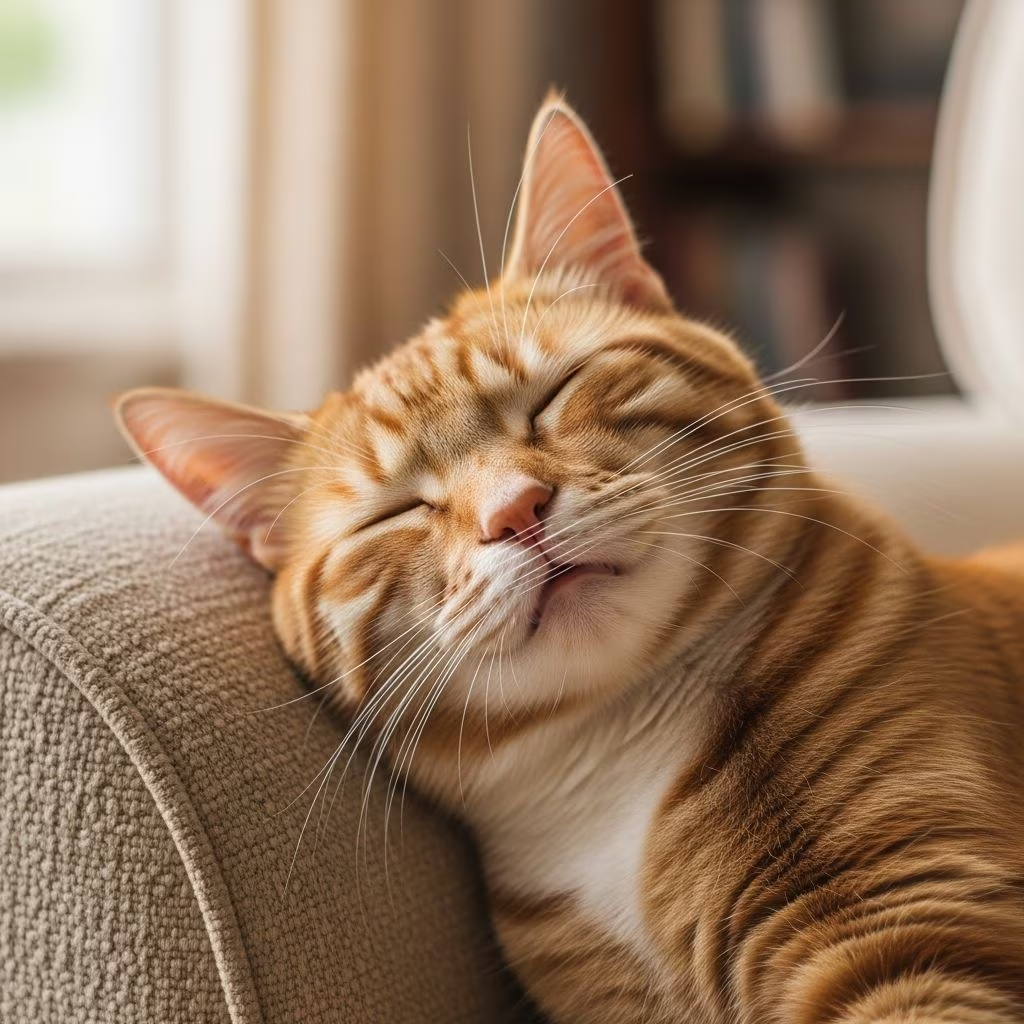
Cats are known for their silent, graceful sleeping habits, but some feline friends produce surprising snoring sounds that can catch owners off guard. While occasional snoring might seem endearing, it often stems from partial blockages in the upper airways—nose, pharynx, and throat—where relaxed tissues vibrate during deep sleep. This phenomenon is less common in cats than in dogs or humans, but certain breeds, health conditions, or habits make it more likely. Understanding the causes helps determine if it’s harmless or a sign of trouble.
Is It Normal for Cats to Snore?
Most cats sleep quietly, but snoring isn’t always abnormal. Brachycephalic breeds like Persians, Himalayans, and Burmese have short noses and narrow nostrils (stenotic nares), plus elongated soft palates that obstruct airflow, leading to chronic snoring. Overweight cats also snore due to fat deposits pressing on airways. Temporary factors like odd sleep positions can cause brief episodes that resolve when the cat shifts. However, new, loud, or persistent snoring, especially with symptoms like coughing or discharge, warrants concern as it may indicate infections or obstructions.
Common Causes of Cat Snoring
Several factors contribute to cat snoring. Here’s a breakdown of the primary reasons:
- Brachycephalic Anatomy: Flat-faced breeds suffer from structural issues like narrow nostrils and long soft palates, restricting airflow even during rest. These cats often snore lifelong.
- Obesity: Excess weight accumulates around the throat and neck, narrowing passages and increasing snoring risk. Obese cats face added issues like diabetes and arthritis.
- Sleep Position: Curling awkwardly or tucking the head can temporarily block airways, producing snores that stop upon repositioning.
- Upper Respiratory Infections: Viral or bacterial ‘cat flu’ causes congestion, inflammation, and discharge, leading to noisy breathing, especially in kittens or shelters.
- Allergies and Irritants: Dust, pollen, mold, or cleaners inflame nasal passages, mimicking infection symptoms like watery eyes and reverse sneezing.
- Nasal Obstructions: Polyps, tumors, grass blades, or foreign objects block passages, often suddenly with sneezing or snorting.
- Other Conditions: Dental disease, chronic bronchitis, enlarged adenoids, or age-related throat changes can contribute.
When Should You Worry About Your Cat’s Snoring?
Not all snoring requires a vet, but monitor for red flags. Occasional noise in predisposed cats is typically fine, but escalating symptoms demand attention. Key warning signs include:
- Sudden onset or worsening volume.
- Accompanied by panting, wheezing, coughing, sneezing, nasal/eye discharge, or open-mouth breathing.
- Lethargy, appetite loss, or labored breathing.
- Consistent snoring awake or asleep, suggesting blockages like tumors.
Severe stertor (low-pitched noisy breathing) with gagging or poor oxygenation is an emergency. Brachycephalic or obese cats with persistent snoring need evaluation to prevent complications.
How to Help Your Snoring Cat
Address modifiable causes to reduce snoring and boost health:
- Weight Management: Feed portion-controlled, high-protein diets; encourage play for exercise. Weight loss often resolves snoring.
- Optimize Sleep Environment: Use humidifiers for dry air; avoid allergens with air purifiers and frequent cleaning.
- Monitor Position: Gently adjust if safe, but don’t disturb deep sleep.
- Prevent Infections: Vaccinate, keep litter clean, and isolate from sick cats.
- Dental Care: Regular brushing and vet checkups prevent disease-related issues.
| Cause | Symptoms | Solution |
|---|---|---|
| Obesity | Gradual snoring, lethargy | Diet/exercise |
| Infection | Discharge, sneezing | Vet antibiotics |
| Breed Trait | Lifelong, mild | Surgical correction if severe |
| Obstruction | Sudden, snorting | Immediate vet exam |
Breeds Prone to Snoring
Certain flat-faced breeds are snoring hotspots due to genetics:
- Persian: Extreme brachycephaly causes constant airway restriction.
- Himalayan: Similar to Persians, with soft palate issues.
- Exotic Shorthair: Compact face leads to noisy sleep.
- Burmese: Milder but still prone.
These breeds may need surgeries like nares widening for comfort.
FAQs
Is snoring bad for cats?
Usually harmless, but persistent cases with symptoms can indicate serious issues like infections or blockages—consult a vet.
Why do some cats snore loudly?
Loud snoring often ties to obesity, brachycephaly, or obstructions amplifying vibrations.
Can allergies cause cat snoring?
Yes, irritants inflame passages, causing congestion and noise.
Should I wake my snoring cat?
Avoid unless distressed; they need rest. Check breathing first.
How to stop cat snoring?
Manage weight, reduce allergens, treat infections; surgery for structural issues.
References
- Why Does My Cat Snore and Should I Worry About It? — Diamond Pet. 2023. https://www.diamondpet.com/blog/health/weight-management/why-my-cat-snores/
- Cat Snoring: Should You Be Concerned? — CCAH. 2024. https://ccahweb.com/veterinary-blog/cat-snoring/
- Why do cats snore? And is it normal? — PetGuard. 2023. https://www.petguard.co.uk/cats-snoring
- Why Does My Cat Snore So Loud? 4 Common Reasons — Cats.com. 2024. https://cats.com/why-does-my-cat-snore
- Snoring and Noisy Breathing (Stertor) in Cats — Vetster. 2024. https://vetster.com/en/symptoms/cat/snoring-and-noisy-breathing



